Safety note: Admin approval is an initial review, not a guarantee that every detail is correct. Check important or urgent claims with official sources and report anything inaccurate or unsafe.
Source and credit: Contributor's own report
Victoria's energy transition expected to create 23,000 jobs by 2040 - Ballarat, VIC
Smart summary
The Victorian Government says its renewable energy and clean economy strategy will generate approximately 23,000 new jobs by 2040, with regional communities expected to be major beneficiaries of the state's energy tra...
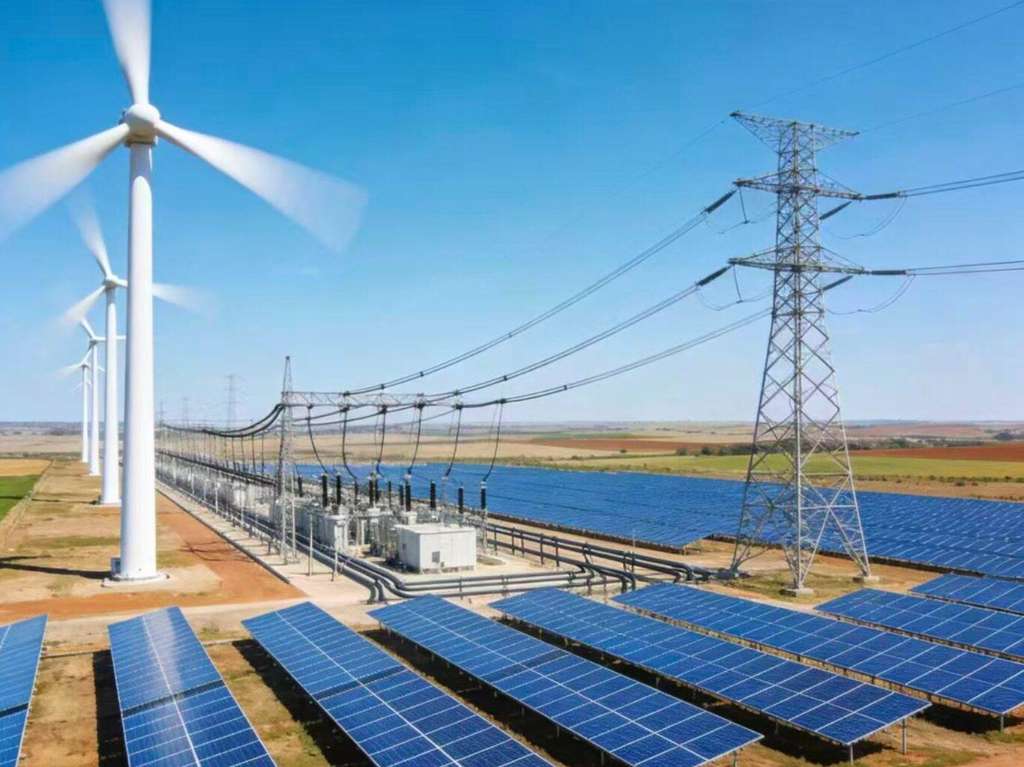
Victoria's transition towards renewable energy is expected to create around 23,000 new jobs by 2040, according to new government projections highlighting the economic opportunities associated with the state's shift away from fossil fuels. The jobs forecast forms part of a broader energy transition strategy aimed at expanding renewable electricity generation, modernising energy infrastructure and supporting regional economic growth.
The plan outlines how investment in renewable energy projects, transmission infrastructure, energy storage facilities and related industries is expected to create employment opportunities across a wide range of sectors. Construction workers, engineers, electricians, technicians, project managers and manufacturing employees are among the occupations likely to benefit from increased investment in the clean energy sector.
Regional Victoria is expected to play a central role in the transition. Many renewable energy developments, including wind farms, solar farms and transmission projects, are being planned or constructed in regional areas where land availability and natural resources make large-scale projects viable. Communities across western Victoria, Gippsland and other regional zones are expected to see significant economic activity linked to these developments.
The government's modelling suggests that the transition will not only create direct jobs in energy projects but also generate indirect employment through supply chains, local businesses and supporting industries. Increased demand for accommodation, transport services, equipment suppliers and professional services is expected to provide additional economic benefits for regional communities.
Supporters of the strategy argue that renewable energy investment presents a major opportunity for Victoria to strengthen its economy while reducing greenhouse gas emissions. They point to growing global demand for clean energy technologies and the potential for Victoria to become a leader in renewable energy development and advanced manufacturing.
The energy transition also includes significant investment in transmission infrastructure designed to connect renewable energy generation projects to the electricity grid. New transmission lines and network upgrades are considered critical to ensuring reliable electricity supply as older coal-fired power stations gradually retire over coming decades.
Government officials say workforce development will be an important component of the transition. Training programs, apprenticeships and skills initiatives are expected to help workers gain qualifications needed for emerging industries. Particular attention is being placed on supporting workers and communities affected by changes in traditional energy sectors.
However, some industry groups and regional stakeholders have emphasised that the projected benefits will depend on successful project delivery, workforce availability and long-term policy certainty. Concerns have also been raised about planning approvals, community consultation processes and ensuring local workers receive priority access to employment opportunities created by major projects.
The announcement comes as governments across Australia continue to pursue ambitious renewable energy targets designed to reduce emissions while maintaining energy security. Victoria has positioned itself as one of the country's most active jurisdictions in renewable energy development, with multiple large-scale projects already operating or under construction.
For regional centres, the forecast of 23,000 jobs represents a significant economic opportunity. Local leaders hope the investment will attract new residents, strengthen local businesses and provide long-term employment pathways for younger generations seeking careers in emerging industries.
If the projections are realised, the energy transition could become one of the largest employment and infrastructure programs undertaken in Victoria over the next two decades, reshaping both the state's economy and its energy system.
EnergyRenewableTransitionVictoriaExpected
Victoria's transition towards renewable energy is expected to create around 23,000 new jobs by 2040, according to new government projections highlighting the economic opportunities associated with the state's shift away from fossil fuels. The jobs forecast forms part of a broader energy transition strategy aimed at expanding renewable electricity generation, modernising energy infrastructure and supporting regional economic growth.
The plan outlines how investment in renewable energy projects, transmission infrastructure, energy storage facilities and related industries is expected to create employment opportunities across a wide range of sectors. Construction workers, engineers, electricians, technicians, project managers and manufacturing employees are among the occupations likely to benefit from increased investment in the clean energy sector.
Regional Victoria is expected to play a central role in the transition. Many renewable energy developments, including wind farms, solar farms and transmission projects, are being planned or constructed in regional areas where land availability and natural resources make large-scale projects viable. Communities across western Victoria, Gippsland and other regional zones are expected to see significant economic activity linked to these developments.
The government's modelling suggests that the transition will not only create direct jobs in energy projects but also generate indirect employment through supply chains, local businesses and supporting industries. Increased demand for accommodation, transport services, equipment suppliers and professional services is expected to provide additional economic benefits for regional communities.
Supporters of the strategy argue that renewable energy investment presents a major opportunity for Victoria to strengthen its economy while reducing greenhouse gas emissions. They point to growing global demand for clean energy technologies and the potential for Victoria to become a leader in renewable energy development and advanced manufacturing.
The energy transition also includes significant investment in transmission infrastructure designed to connect renewable energy generation projects to the electricity grid. New transmission lines and network upgrades are considered critical to ensuring reliable electricity supply as older coal-fired power stations gradually retire over coming decades.
Government officials say workforce development will be an important component of the transition. Training programs, apprenticeships and skills initiatives are expected to help workers gain qualifications needed for emerging industries. Particular attention is being placed on supporting workers and communities affected by changes in traditional energy sectors.
However, some industry groups and regional stakeholders have emphasised that the projected benefits will depend on successful project delivery, workforce availability and long-term policy certainty. Concerns have also been raised about planning approvals, community consultation processes and ensuring local workers receive priority access to employment opportunities created by major projects.
The announcement comes as governments across Australia continue to pursue ambitious renewable energy targets designed to reduce emissions while maintaining energy security. Victoria has positioned itself as one of the country's most active jurisdictions in renewable energy development, with multiple large-scale projects already operating or under construction.
For regional centres, the forecast of 23,000 jobs represents a significant economic opportunity. Local leaders hope the investment will attract new residents, strengthen local businesses and provide long-term employment pathways for younger generations seeking careers in emerging industries.
If the projections are realised, the energy transition could become one of the largest employment and infrastructure programs undertaken in Victoria over the next two decades, reshaping both the state's economy and its energy system.
A four-metre-high 3D-printed sculpture celebrating Australian children's author Andy Griffiths has gone on display at Canberra's National Portrait Gallery.
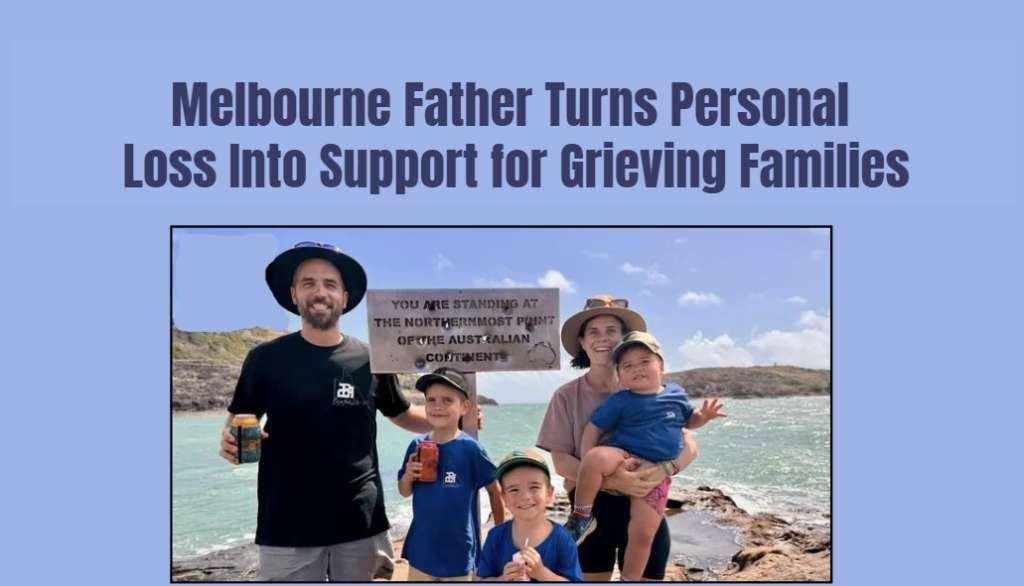
After losing two sons, Melbourne father Nick Olney has established a charity helping grieving parents preserve memories of their babies and access suppo...
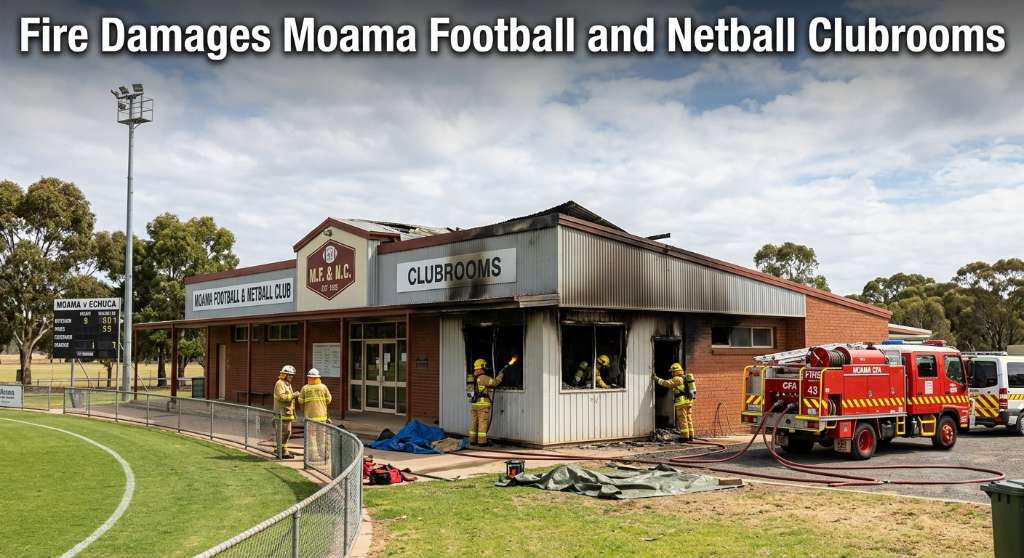
A fire damaged the Moama Football and Netball Club's social rooms during Saturday's grand final, forcing about 1,000 people to leave the building becaus...
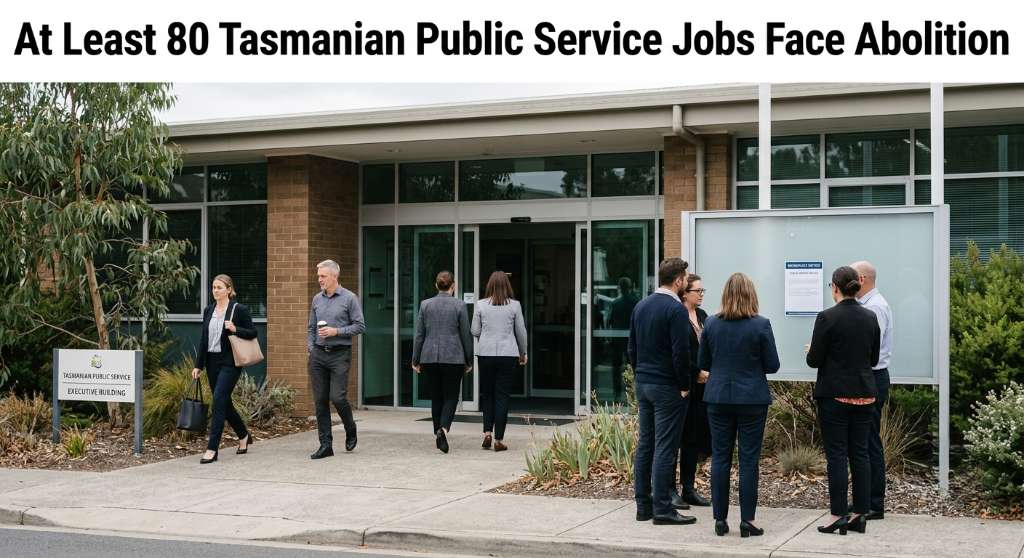
At least 80 positions have been identified for abolition as Tasmania restructures parts of its public service and works toward a broader reduction in go...
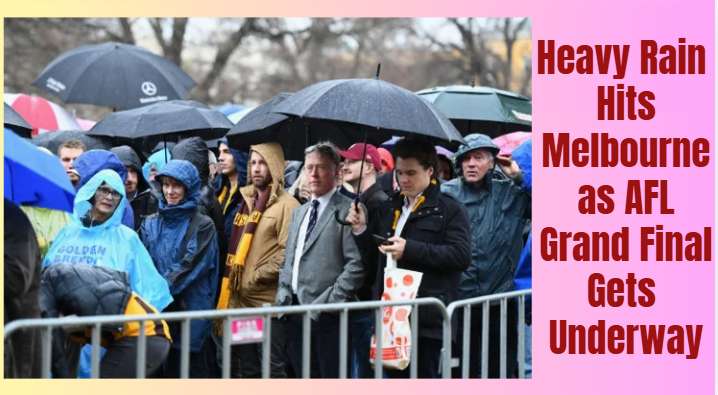
Wet conditions at the Melbourne Cricket Ground are creating difficult conditions for the AFL Grand Final, while poor weather has also disrupted flights...
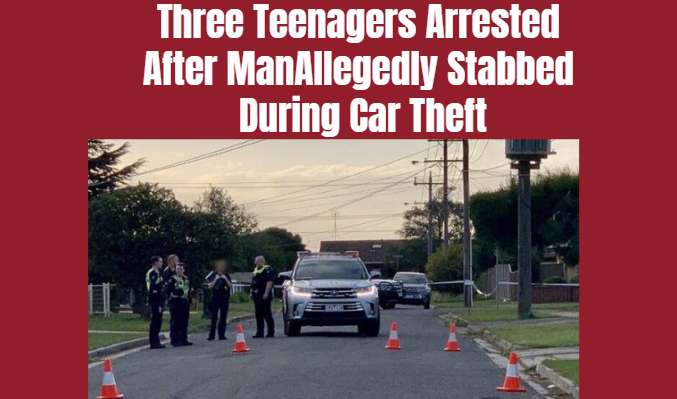
Police have arrested three teenagers after a man was allegedly stabbed while confronting a group of boys attempting to break into a car in Melbourne’s s...
After losing two sons, Melbourne father Nick Olney has established a charity helping grieving parents preserve memories of their babies and access suppo...
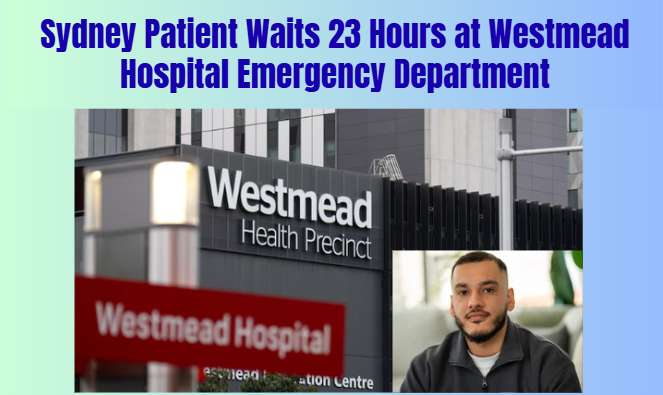
A Sydney patient says he spent 23 hours waiting on a chair at Westmead Hospital's emergency department, while new figures show continuing pressure on th...
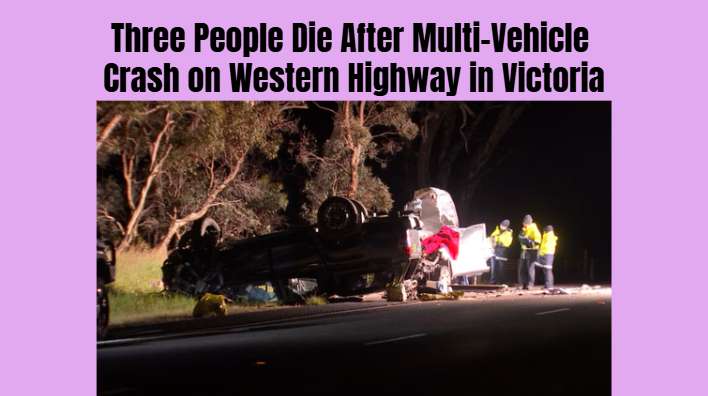
Three people, including a 14-year-old girl, have died following a multi-vehicle collision on the Western Highway near Ledcourt in Victoria's north-west.
A 50-year-old man has died after being struck by a vehicle in Fernvale, west of Brisbane, with police launching a homicide investigation and arresting a...
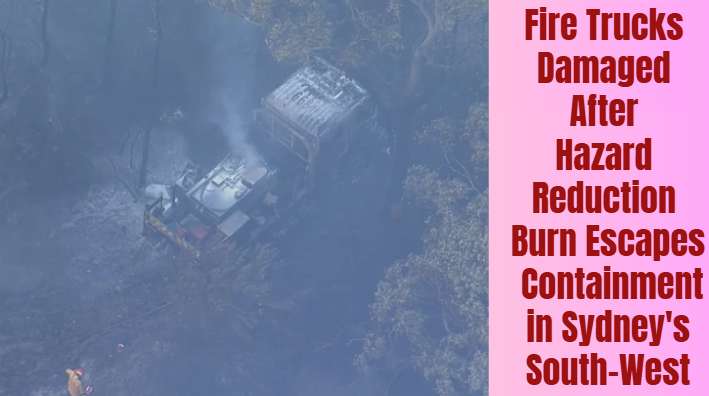
Multiple Rural Fire Service trucks were damaged after a planned hazard reduction burn at Wedderburn in Sydney's south-west escaped containment on Saturday.