By Neha Maurya · Published 13 Jun 2026 · Updated 13 Jun 2026
Melbourne, Victoria · Victoria News
Safety note: Admin approval is an initial review, not a guarantee that every detail is correct. Check important or urgent claims with official sources and report anything inaccurate or unsafe.
Source and credit: Contributor's own report
Victoria's Tougher Bail Laws Increase Pressure on Prison System, Critics Warn - Melbourne, Victoria
Smart summary
Legal advocates and corrections staff say sweeping changes to Victoria's bail laws have significantly increased the number of people being held on remand, placing growing strain on prisons and police cells.
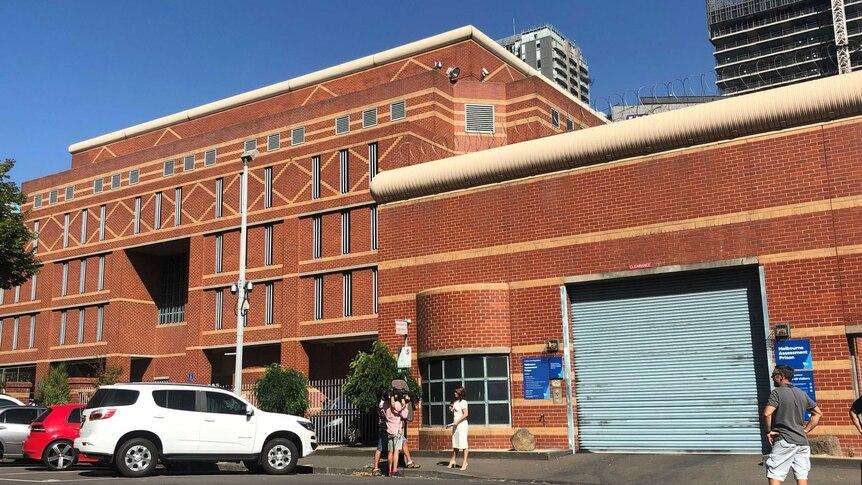
Victoria's tougher bail laws are facing renewed scrutiny, with legal experts, advocacy groups and prison staff warning that the state's justice system is struggling to cope with a rising number of people being held in custody before their cases are heard.
The concerns follow major reforms to the Victorian Bail Act, introduced by the Allan Government in 2025 and expanded further in 2026. The changes were designed to prioritise community safety and make it more difficult for repeat and serious offenders to secure bail.
According to government figures cited by ABC News, the reforms have resulted in a significant increase in bail refusals, with 84 per cent more people being denied bail compared with previous periods.
However, critics argue that the prison system has not been adequately prepared for the surge in detainees awaiting trial.
The Victorian Aboriginal Legal Service (VALS) has expressed concern that overcrowding and the extended use of police cells could create dangerous conditions for vulnerable people, particularly Aboriginal detainees and those with complex health needs. Representatives from the organisation have warned that without systemic improvements, there is a risk of another preventable death in custody.
The issue has also been highlighted by corrections staff.
The Community and Public Sector Union's Victorian branch says prison workers are experiencing increasing pressure as remand populations grow. Unlike sentenced prisoners, people held on remand often have limited access to rehabilitation programs and support services, creating additional operational challenges within correctional facilities.
One of the most contentious aspects of the reforms is the increased use of police cells to accommodate detainees when prison capacity is stretched.
Legal practitioners argue that police holding cells were designed for short-term detention rather than extended stays. Reports indicate some individuals have remained in police custody for periods exceeding the usual 14-day threshold due to shortages of available prison beds.
The Allan Government maintains that the reforms are achieving their intended purpose.
Premier Jacinta Allan has defended the measures, stating that "community safety must come first" and pointing to significant investments aimed at expanding correctional capacity, including funding for additional prison beds and staffing.
The legislative changes introduced several key reforms, including:
* Making community safety the overriding consideration in bail decisions. * Expanding the range of offences subject to stricter bail tests. * Reintroducing the offence of committing an indictable offence while already on bail. * Removing the principle that detention should be considered a last resort for children in certain circumstances.
Supporters argue these measures are necessary to address community concerns about repeat offending and violent crime.
Critics, however, believe the reforms risk shifting the burden onto an already stretched justice system without addressing the underlying causes of offending.
The debate reflects a broader challenge confronting governments across Australia: balancing the protection of public safety with the rights of individuals who have not yet been convicted of an offence.
As Victoria continues implementing some of the country's toughest bail laws, attention is increasingly turning toward whether prisons, police and support services have the resources required to manage their long-term consequences.
The effectiveness of the reforms is likely to remain a significant issue in Victorian public policy discussions as authorities monitor both crime trends and the growing pressures within the state's correctional system.
BailPrisonReformsCommunityPolice
Victoria's tougher bail laws are facing renewed scrutiny, with legal experts, advocacy groups and prison staff warning that the state's justice system is struggling to cope with a rising number of people being held in custody before their cases are heard.
The concerns follow major reforms to the Victorian Bail Act, introduced by the Allan Government in 2025 and expanded further in 2026. The changes were designed to prioritise community safety and make it more difficult for repeat and serious offenders to secure bail.
According to government figures cited by ABC News, the reforms have resulted in a significant increase in bail refusals, with 84 per cent more people being denied bail compared with previous periods.
However, critics argue that the prison system has not been adequately prepared for the surge in detainees awaiting trial.
The Victorian Aboriginal Legal Service (VALS) has expressed concern that overcrowding and the extended use of police cells could create dangerous conditions for vulnerable people, particularly Aboriginal detainees and those with complex health needs. Representatives from the organisation have warned that without systemic improvements, there is a risk of another preventable death in custody.
The issue has also been highlighted by corrections staff.
The Community and Public Sector Union's Victorian branch says prison workers are experiencing increasing pressure as remand populations grow. Unlike sentenced prisoners, people held on remand often have limited access to rehabilitation programs and support services, creating additional operational challenges within correctional facilities.
One of the most contentious aspects of the reforms is the increased use of police cells to accommodate detainees when prison capacity is stretched.
Legal practitioners argue that police holding cells were designed for short-term detention rather than extended stays. Reports indicate some individuals have remained in police custody for periods exceeding the usual 14-day threshold due to shortages of available prison beds.
The Allan Government maintains that the reforms are achieving their intended purpose.
Premier Jacinta Allan has defended the measures, stating that "community safety must come first" and pointing to significant investments aimed at expanding correctional capacity, including funding for additional prison beds and staffing.
The legislative changes introduced several key reforms, including:
* Making community safety the overriding consideration in bail decisions. * Expanding the range of offences subject to stricter bail tests. * Reintroducing the offence of committing an indictable offence while already on bail. * Removing the principle that detention should be considered a last resort for children in certain circumstances.
Supporters argue these measures are necessary to address community concerns about repeat offending and violent crime.
Critics, however, believe the reforms risk shifting the burden onto an already stretched justice system without addressing the underlying causes of offending.
The debate reflects a broader challenge confronting governments across Australia: balancing the protection of public safety with the rights of individuals who have not yet been convicted of an offence.
As Victoria continues implementing some of the country's toughest bail laws, attention is increasingly turning toward whether prisons, police and support services have the resources required to manage their long-term consequences.
The effectiveness of the reforms is likely to remain a significant issue in Victorian public policy discussions as authorities monitor both crime trends and the growing pressures within the state's correctional system.
An automated external defibrillator and memorial plaque have been installed at Ellery Creek Big Hole following the death of disability advocate Ellen Fr...
Bathurst New South Wales · Community News · 17 Sep 2026
Kerry “Pecky” Peck, a long-standing Bathurst radio personality, has been inducted into the Bathurst Business Hall of Fame in recognition of his extensive contribution to the loc...
A new specialist family-violence support model has been introduced in Ballarat, with dedicated workers now embedded alongside Victoria Police to help people experiencing family...
Orange New South Wales · Community News · 17 Sep 2026
Orange City Council has elected a new Deputy Mayor for the next two years, with the decision announced today, 17 September 2026. The council said the election took place during...
New workplace data shows staff absenteeism jumped sharply during the historic MCG NFL event, while Melbourne businesses also benefited from a major spen...
Cairns Regional Council has unanimously voted to seek $400,000 in Queensland Government funding for a program designed to connect local businesses with the region’s growing film...
An automated external defibrillator and memorial plaque have been installed at Ellery Creek Big Hole following the death of disability advocate Ellen Fr...
Queensland firefighters spent several hours monitoring a significant grass fire at Mary Kinross Park in Bargara, near Bundaberg, after the blaze broke out on Wednesday evening....