Victorian Crime Victims Face Long Delays in Getting Support
By Chloe · Published 24 Oct 2026 · Updated 24 Oct 2026
Statewide, QLD
Safety note: Admin approval is an initial review, not a guarantee that every detail is correct. Check important or urgent claims with official sources and report anything inaccurate or unsafe.
Source and credit: Contributor's own report
Victorian Crime Victims Face Long Delays in Getting Support - Statewide, QLD
Smart summary
Victim advocates say people affected by crime are waiting extended periods for assistance while struggling with counselling and medical expenses.
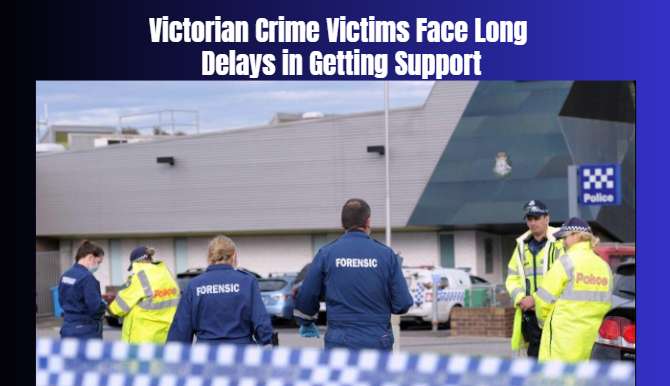
Victims of crime in Victoria are facing significant delays in receiving government financial assistance, with some applicants reportedly waiting more than 12 months while paying for counselling, medical care and other expenses themselves. The delays have raised concerns about whether the state's support system is meeting the needs of people recovering from traumatic experiences.
The issue centres on Victoria's Financial Assistance Scheme (FAS), which was introduced in 2024 to make it easier for victims to access support without having to apply through the courts. Under the revised system, eligible people who have reported a crime to police can submit applications from home.
The government originally presented the scheme as a simpler and more accessible way to help victim-survivors. However, advocates say processing delays, complicated paperwork and difficulties using the online application portal have created new obstacles for some applicants.
Elysia Roberts, a 42-year-old Melbourne resident who has experienced both the previous and current support systems, said she had waited more than a year for assistance under the new scheme. She described long waits on the phone and a lack of communication about the progress of her application.
Roberts received assistance for items including a music subscription service, remedial massage and security cameras for her home following experiences of verbal and emotional abuse. She said the uncertainty surrounding her application had added to the emotional and physical challenges of recovery.
Victoria's Victims of Crime Commissioner, Elizabeth Langdon, has also raised concerns about the impact of delays. She said complaints received by her office had increased since the revised scheme began, with each complaint representing someone trying to navigate an already difficult justice system.
Community legal services say the delays are placing additional pressure on organisations that help victims prepare applications. Azin Baghaki Jenkin of South-East Monash Legal Service said the service had stopped accepting new clients while dealing with a backlog. Some applications submitted around 15 months earlier were still awaiting support, she said.
For people who cannot afford to pay expenses upfront, the consequences can be especially serious. Advocates report that some applicants have borrowed money from relatives or used their own savings to cover costs while waiting for reimbursement. Applicants may also struggle to gather documents and upload the required information through the online system.
Under the scheme, primary victims can be eligible for financial assistance of up to $63,401, covering qualifying expenses such as counselling, lost income, medical treatment and other costs. The amount awarded depends on individual circumstances and eligibility.
The scheme's chief executive, Marnie Williams, said applications require individual assessment and that changes had been made to improve processing. The government has acknowledged that navigating the system can be difficult and says it will continue examining ways to improve support.
The concerns come as crime and public safety remain prominent issues ahead of Victoria's state election on 28 November 2026. Advocates say timely assistance is an essential part of recovery and that people who report crimes should not face another prolonged period of uncertainty while seeking help.
The continuing challenge for the state is to ensure that the scheme delivers on its promise of accessible assistance, with clearer communication, manageable application procedures and faster decisions for people dealing with the aftermath of crime.
AssistanceSchemeCrimeDelaysSupport
Victims of crime in Victoria are facing significant delays in receiving government financial assistance, with some applicants reportedly waiting more than 12 months while paying for counselling, medical care and other expenses themselves. The delays have raised concerns about whether the state's support system is meeting the needs of people recovering from traumatic experiences.
The issue centres on Victoria's Financial Assistance Scheme (FAS), which was introduced in 2024 to make it easier for victims to access support without having to apply through the courts. Under the revised system, eligible people who have reported a crime to police can submit applications from home.
The government originally presented the scheme as a simpler and more accessible way to help victim-survivors. However, advocates say processing delays, complicated paperwork and difficulties using the online application portal have created new obstacles for some applicants.
Elysia Roberts, a 42-year-old Melbourne resident who has experienced both the previous and current support systems, said she had waited more than a year for assistance under the new scheme. She described long waits on the phone and a lack of communication about the progress of her application.
Roberts received assistance for items including a music subscription service, remedial massage and security cameras for her home following experiences of verbal and emotional abuse. She said the uncertainty surrounding her application had added to the emotional and physical challenges of recovery.
Victoria's Victims of Crime Commissioner, Elizabeth Langdon, has also raised concerns about the impact of delays. She said complaints received by her office had increased since the revised scheme began, with each complaint representing someone trying to navigate an already difficult justice system.
Community legal services say the delays are placing additional pressure on organisations that help victims prepare applications. Azin Baghaki Jenkin of South-East Monash Legal Service said the service had stopped accepting new clients while dealing with a backlog. Some applications submitted around 15 months earlier were still awaiting support, she said.
For people who cannot afford to pay expenses upfront, the consequences can be especially serious. Advocates report that some applicants have borrowed money from relatives or used their own savings to cover costs while waiting for reimbursement. Applicants may also struggle to gather documents and upload the required information through the online system.
Under the scheme, primary victims can be eligible for financial assistance of up to $63,401, covering qualifying expenses such as counselling, lost income, medical treatment and other costs. The amount awarded depends on individual circumstances and eligibility.
The scheme's chief executive, Marnie Williams, said applications require individual assessment and that changes had been made to improve processing. The government has acknowledged that navigating the system can be difficult and says it will continue examining ways to improve support.
The concerns come as crime and public safety remain prominent issues ahead of Victoria's state election on 28 November 2026. Advocates say timely assistance is an essential part of recovery and that people who report crimes should not face another prolonged period of uncertainty while seeking help.
The continuing challenge for the state is to ensure that the scheme delivers on its promise of accessible assistance, with clearer communication, manageable application procedures and faster decisions for people dealing with the aftermath of crime.
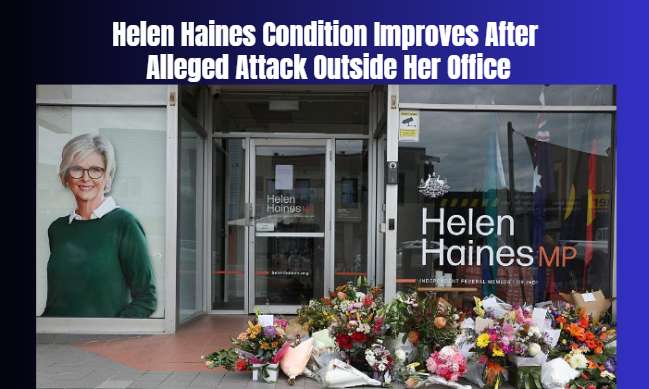
The Victorian independent MP is now in a serious but stable condition after suffering life-changing injuries in an alleged vehicle attack in Wangaratta.
A driver who admitted causing a fatal crash on the Far South Coast has been sentenced to prison, leaving the victim’s family to describe the devastating...
A man was seriously injured in an alleged assault in Adelaide’s central business district after attending a film screening celebrating queer pride. Fest...
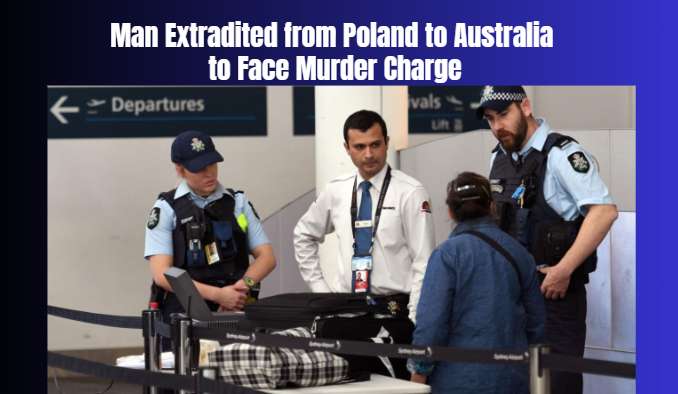
Australian homicide detectives brought a 26-year-old man back from Poland to face a murder charge over the death of a 22-year-old man whose body was dis...
A driver who admitted causing a fatal crash on the Far South Coast has been sentenced to prison, leaving the victim’s family to describe the devastating...
Australian medical research is highlighting a promising vaccine-based approach designed to reduce the risk of melanoma returning after treatment. The fi...
Australian surfer Molly Picklum has won the Rip Curl Pro Portugal, defeating American Caitlin Simmers in the final to move to the top of the World Surf...
One Nation national director James Ashby is considering contesting the federal seat of Capricornia after sitting MP Michelle Landry announced her retire...
The Victorian independent MP is now in a serious but stable condition after suffering life-changing injuries in an alleged vehicle attack in Wangaratta.
A driver who admitted causing a fatal crash on the Far South Coast has been sentenced to prison, leaving the victim’s family to describe the devastating...
International backpackers say Australia's new working holiday visa ballot system could discourage them from taking difficult regional jobs. Farmers and...
A man was seriously injured in an alleged assault in Adelaide’s central business district after attending a film screening celebrating queer pride. Fest...