Safety note: Admin approval is an initial review, not a guarantee that every detail is correct. Check important or urgent claims with official sources and report anything inaccurate or unsafe.
Source and credit: Contributor's own report
Victorian rental video inspections face privacy challenge - Bendigo, VIC
Smart summary
Renters raise concerns over increasing use of video recording and photography during routine property inspections, sparking debate about privacy rights in Victoria’s rental market.
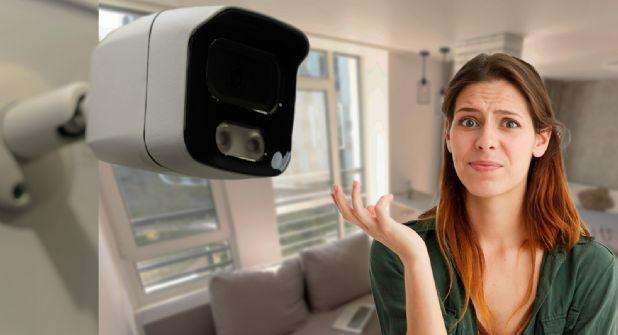
A growing privacy debate has emerged in Victoria’s rental sector after concerns were raised about the increasing use of video recording during routine property inspections. The issue has gained attention following a petition launched by Victorian renter Kristie Hoskins, who is calling for stronger safeguards around how landlords and property managers collect visual data inside rented homes.
Hoskins argues that continuous or excessive recording during inspections goes beyond what is reasonably required for property management. While landlords and agents are legally allowed to inspect rental properties to ensure they are being maintained and to check for compliance with tenancy agreements, renters are questioning whether the use of video cameras and detailed recording practices is becoming intrusive.
The controversy reflects a broader tension in Victoria’s rental market, where tenants often feel they have limited control over how their personal space is documented. Routine inspections typically occur several times a year, and agents may take photographs or videos to record property condition. However, renters and advocacy groups are increasingly concerned that these records may capture personal belongings, sensitive information, or aspects of private life that are unrelated to property condition.
Tenant advocacy organisations have previously highlighted that renters often feel pressured to accept extensive documentation practices as part of leasing agreements. Some argue that the balance of power between landlords and tenants leaves renters with little ability to object, even when they feel uncomfortable with how their homes are being recorded.
Under Victorian rental laws, landlords and agents are permitted to enter properties with proper notice for inspections, repairs, and other legitimate reasons. However, privacy protections also exist, allowing tenants to object to photography or videography in certain circumstances—especially where it could identify occupants, expose sensitive information, or increase security risks.
The petition led by Hoskins is calling for clearer restrictions on continuous video recording during inspections and stronger enforcement of tenant privacy rights. Supporters of the petition argue that existing rules are not detailed enough to address modern recording technologies and the growing use of digital documentation in property management.
The issue also comes at a time when broader rental reforms are being discussed across Victoria, including minimum housing standards, increased tenant protections, and improved dispute resolution processes. Privacy advocates suggest that clearer guidelines are needed to ensure inspection practices remain proportionate and respectful.
Property industry representatives, on the other hand, often argue that photos and videos are necessary for accountability, particularly in disputes over property condition, bond claims, and maintenance issues. They maintain that documentation protects both landlords and tenants by providing clear evidence.
As the debate continues, the core issue remains the same: how to balance legitimate property management needs with the privacy expectations of people living in rented homes.
PropertyInspectionsPrivacyRentalLandlords
A growing privacy debate has emerged in Victoria’s rental sector after concerns were raised about the increasing use of video recording during routine property inspections. The issue has gained attention following a petition launched by Victorian renter Kristie Hoskins, who is calling for stronger safeguards around how landlords and property managers collect visual data inside rented homes.
Hoskins argues that continuous or excessive recording during inspections goes beyond what is reasonably required for property management. While landlords and agents are legally allowed to inspect rental properties to ensure they are being maintained and to check for compliance with tenancy agreements, renters are questioning whether the use of video cameras and detailed recording practices is becoming intrusive.
The controversy reflects a broader tension in Victoria’s rental market, where tenants often feel they have limited control over how their personal space is documented. Routine inspections typically occur several times a year, and agents may take photographs or videos to record property condition. However, renters and advocacy groups are increasingly concerned that these records may capture personal belongings, sensitive information, or aspects of private life that are unrelated to property condition.
Tenant advocacy organisations have previously highlighted that renters often feel pressured to accept extensive documentation practices as part of leasing agreements. Some argue that the balance of power between landlords and tenants leaves renters with little ability to object, even when they feel uncomfortable with how their homes are being recorded.
Under Victorian rental laws, landlords and agents are permitted to enter properties with proper notice for inspections, repairs, and other legitimate reasons. However, privacy protections also exist, allowing tenants to object to photography or videography in certain circumstances—especially where it could identify occupants, expose sensitive information, or increase security risks.
The petition led by Hoskins is calling for clearer restrictions on continuous video recording during inspections and stronger enforcement of tenant privacy rights. Supporters of the petition argue that existing rules are not detailed enough to address modern recording technologies and the growing use of digital documentation in property management.
The issue also comes at a time when broader rental reforms are being discussed across Victoria, including minimum housing standards, increased tenant protections, and improved dispute resolution processes. Privacy advocates suggest that clearer guidelines are needed to ensure inspection practices remain proportionate and respectful.
Property industry representatives, on the other hand, often argue that photos and videos are necessary for accountability, particularly in disputes over property condition, bond claims, and maintenance issues. They maintain that documentation protects both landlords and tenants by providing clear evidence.
As the debate continues, the core issue remains the same: how to balance legitimate property management needs with the privacy expectations of people living in rented homes.
A four-metre-high 3D-printed sculpture celebrating Australian children's author Andy Griffiths has gone on display at Canberra's National Portrait Gallery.
After losing two sons, Melbourne father Nick Olney has established a charity helping grieving parents preserve memories of their babies and access suppo...
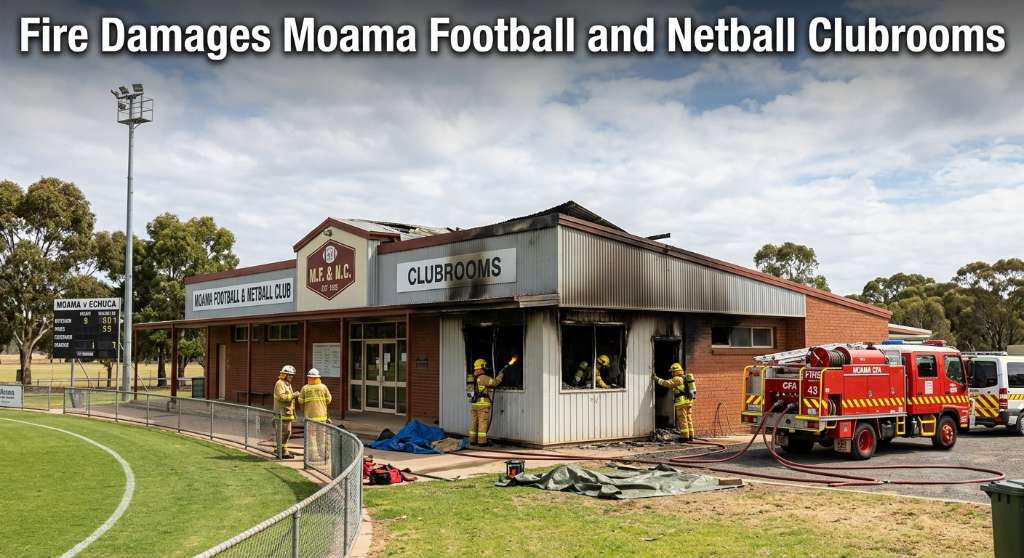
A fire damaged the Moama Football and Netball Club's social rooms during Saturday's grand final, forcing about 1,000 people to leave the building becaus...
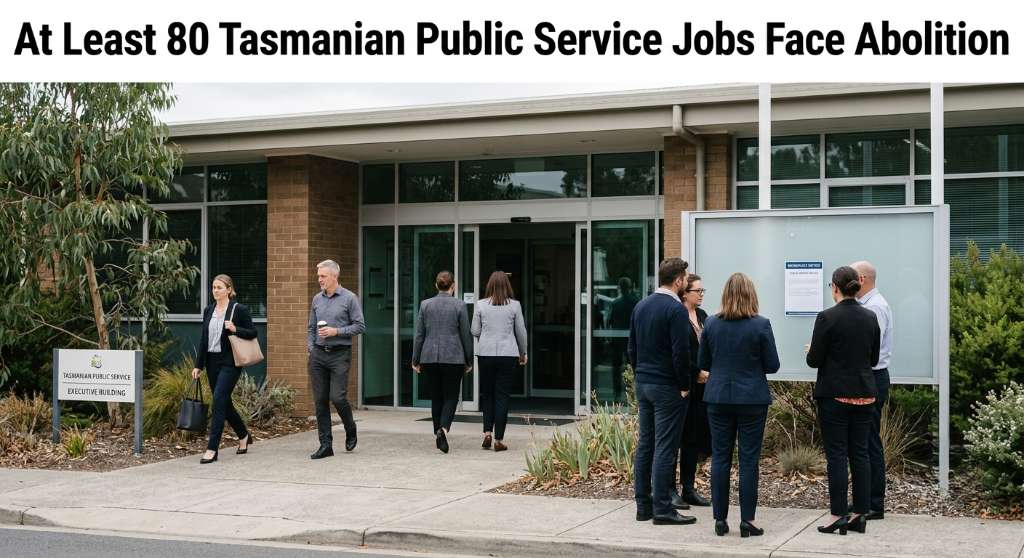
At least 80 positions have been identified for abolition as Tasmania restructures parts of its public service and works toward a broader reduction in go...
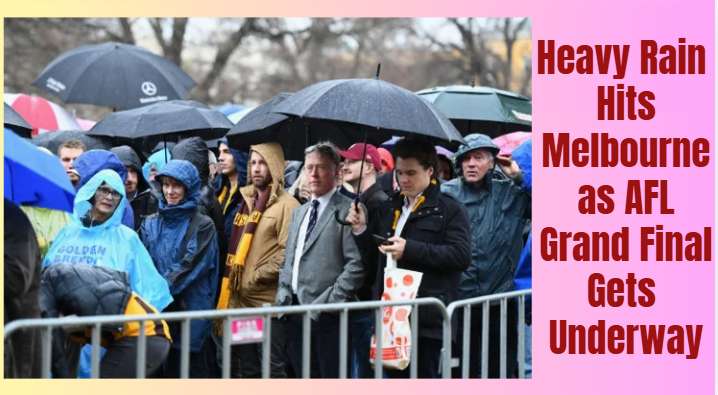
Wet conditions at the Melbourne Cricket Ground are creating difficult conditions for the AFL Grand Final, while poor weather has also disrupted flights...
Police have arrested three teenagers after a man was allegedly stabbed while confronting a group of boys attempting to break into a car in Melbourne’s s...
After losing two sons, Melbourne father Nick Olney has established a charity helping grieving parents preserve memories of their babies and access suppo...
A 50-year-old man has died after being struck by a vehicle in Fernvale, west of Brisbane, with police launching a homicide investigation and arresting a...
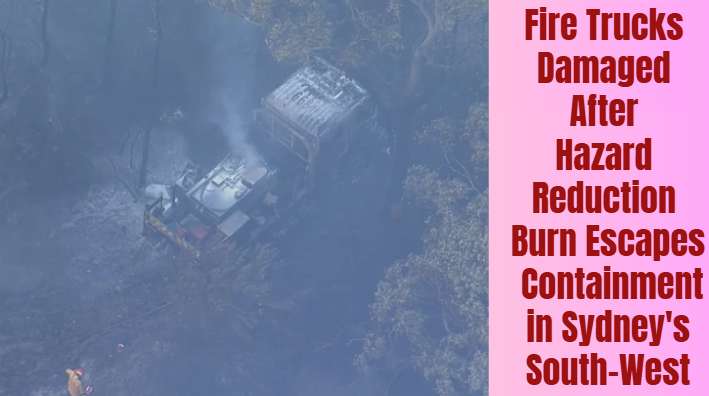
Multiple Rural Fire Service trucks were damaged after a planned hazard reduction burn at Wedderburn in Sydney's south-west escaped containment on Saturday.
Wet conditions at the Melbourne Cricket Ground are creating difficult conditions for the AFL Grand Final, while poor weather has also disrupted flights...
Amateur astronomers are using new telescope technology to photograph the Moon, planets and distant galaxies from Brisbane homes, showing that city skies...