Safety note: Admin approval is an initial review, not a guarantee that every detail is correct. Check important or urgent claims with official sources and report anything inaccurate or unsafe.
Source and credit: Contributor's own report
WA Health Minister Backs Inquest Into Baby Willow Horne's Death but Stops Short of Formal Request - Perth, WA
Smart summary
Meredith Hammat says she would welcome a coronial inquest into the death of eight-month-old Willow Horne, while leaving the decision to Western Australia's independent State Coroner.
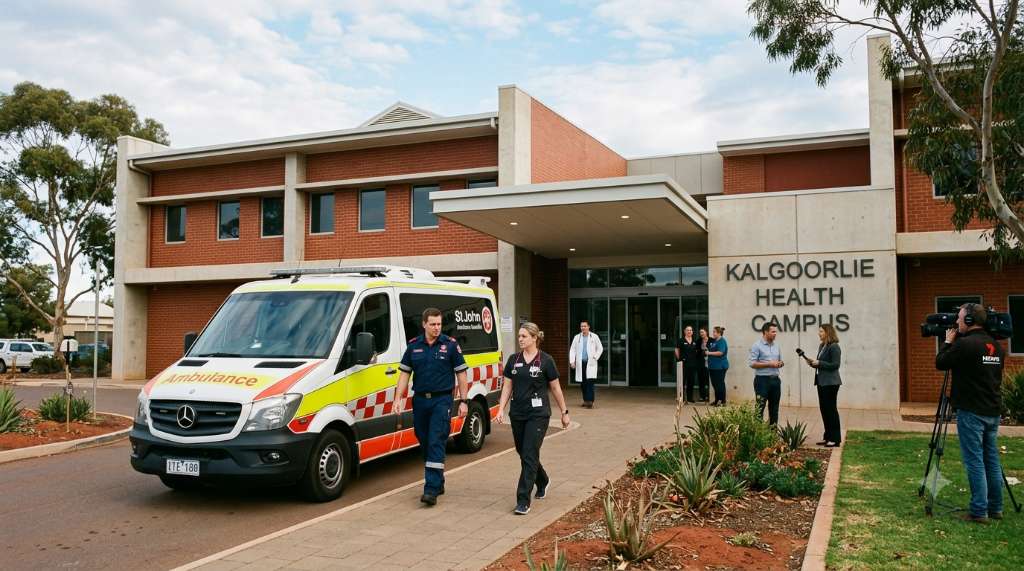
Western Australia's Health Minister Meredith Hammat has expressed support for a coronial inquest into the death of eight-month-old Willow Katarina Horne but has declined to formally request one, saying it is important to respect the independence of the State Coroner. The announcement comes as Willow's parents continue to seek answers following their daughter's death at Kalgoorlie Health Campus in September 2025.
Willow was admitted to Kalgoorlie Health Campus after experiencing respiratory problems and was initially treated for pneumonia and dehydration. During her two-day hospital stay, her condition deteriorated significantly, prompting plans for an urgent transfer to Perth Children's Hospital. However, the transfer was delayed after the Royal Flying Doctor Service aircraft was redirected to another higher-priority patient. Tragically, Willow suffered cardiac arrest and died before she could be transported to Perth for specialist treatment.
A comprehensive clinical review commissioned by the WA Country Health Service examined the circumstances surrounding Willow's care. While the review found no evidence of medical negligence or malpractice, it identified several opportunities to improve clinical practice. These included earlier consideration of alternative diagnoses, better communication between healthcare staff, improvements in recognising deteriorating patients, and enhanced coordination of aeromedical retrieval services. The review suggested that an underlying heart condition, possibly myocarditis, may have contributed to Willow's death, although the exact cause remains undetermined.
Speaking to reporters, Health Minister Hammat extended her sympathies to Willow's parents, Kaydence Sutherland and William Horne, acknowledging the devastating impact of losing a child. She said the government would welcome a coronial inquest and recognised that coronial recommendations often provide valuable lessons that help improve healthcare systems. However, she emphasised that the decision to hold an inquest rests solely with the independent State Coroner and that she did not wish to influence that process by making a formal request.
Willow's parents have continued to call for a public coronial inquest, saying they still do not understand exactly why their daughter died. They believe an independent inquiry is necessary to fully examine the medical treatment, hospital procedures, and transfer arrangements, while also identifying any systemic improvements that could help prevent similar tragedies in the future.
The case has prompted broader discussion about healthcare delivery in regional Western Australia, particularly the challenges associated with emergency retrieval services and specialist care for critically ill children living in remote communities. Medical experts and policymakers are expected to closely examine any future recommendations should a coronial inquest proceed. For Willow's family, however, the priority remains obtaining clear answers and ensuring meaningful improvements are made so that other families do not experience a similar loss.
WillowHealthInquestCoronialDeath
Western Australia's Health Minister Meredith Hammat has expressed support for a coronial inquest into the death of eight-month-old Willow Katarina Horne but has declined to formally request one, saying it is important to respect the independence of the State Coroner. The announcement comes as Willow's parents continue to seek answers following their daughter's death at Kalgoorlie Health Campus in September 2025.
Willow was admitted to Kalgoorlie Health Campus after experiencing respiratory problems and was initially treated for pneumonia and dehydration. During her two-day hospital stay, her condition deteriorated significantly, prompting plans for an urgent transfer to Perth Children's Hospital. However, the transfer was delayed after the Royal Flying Doctor Service aircraft was redirected to another higher-priority patient. Tragically, Willow suffered cardiac arrest and died before she could be transported to Perth for specialist treatment.
A comprehensive clinical review commissioned by the WA Country Health Service examined the circumstances surrounding Willow's care. While the review found no evidence of medical negligence or malpractice, it identified several opportunities to improve clinical practice. These included earlier consideration of alternative diagnoses, better communication between healthcare staff, improvements in recognising deteriorating patients, and enhanced coordination of aeromedical retrieval services. The review suggested that an underlying heart condition, possibly myocarditis, may have contributed to Willow's death, although the exact cause remains undetermined.
Speaking to reporters, Health Minister Hammat extended her sympathies to Willow's parents, Kaydence Sutherland and William Horne, acknowledging the devastating impact of losing a child. She said the government would welcome a coronial inquest and recognised that coronial recommendations often provide valuable lessons that help improve healthcare systems. However, she emphasised that the decision to hold an inquest rests solely with the independent State Coroner and that she did not wish to influence that process by making a formal request.
Willow's parents have continued to call for a public coronial inquest, saying they still do not understand exactly why their daughter died. They believe an independent inquiry is necessary to fully examine the medical treatment, hospital procedures, and transfer arrangements, while also identifying any systemic improvements that could help prevent similar tragedies in the future.
The case has prompted broader discussion about healthcare delivery in regional Western Australia, particularly the challenges associated with emergency retrieval services and specialist care for critically ill children living in remote communities. Medical experts and policymakers are expected to closely examine any future recommendations should a coronial inquest proceed. For Willow's family, however, the priority remains obtaining clear answers and ensuring meaningful improvements are made so that other families do not experience a similar loss.
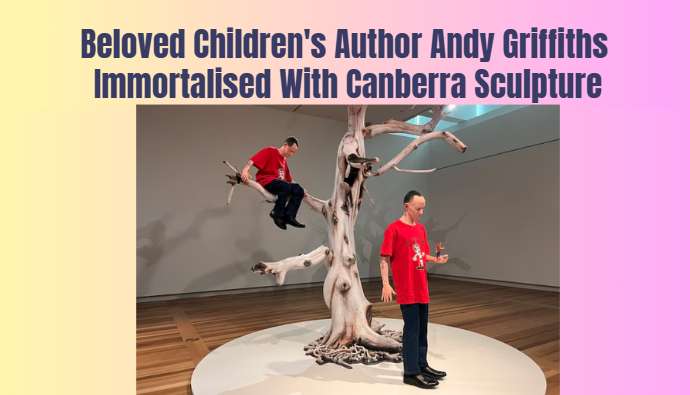
A four-metre-high 3D-printed sculpture celebrating Australian children's author Andy Griffiths has gone on display at Canberra's National Portrait Gallery.
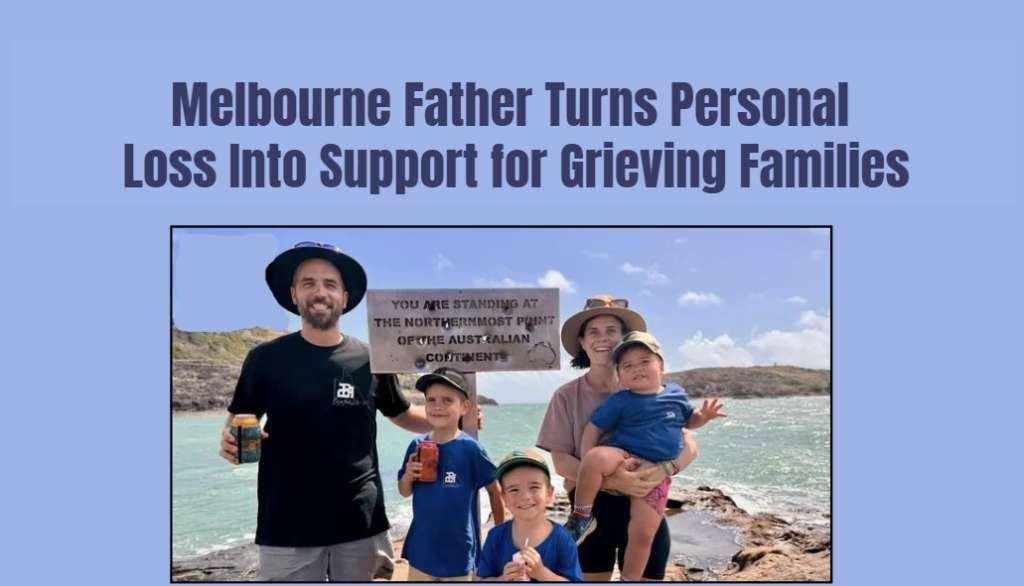
After losing two sons, Melbourne father Nick Olney has established a charity helping grieving parents preserve memories of their babies and access suppo...
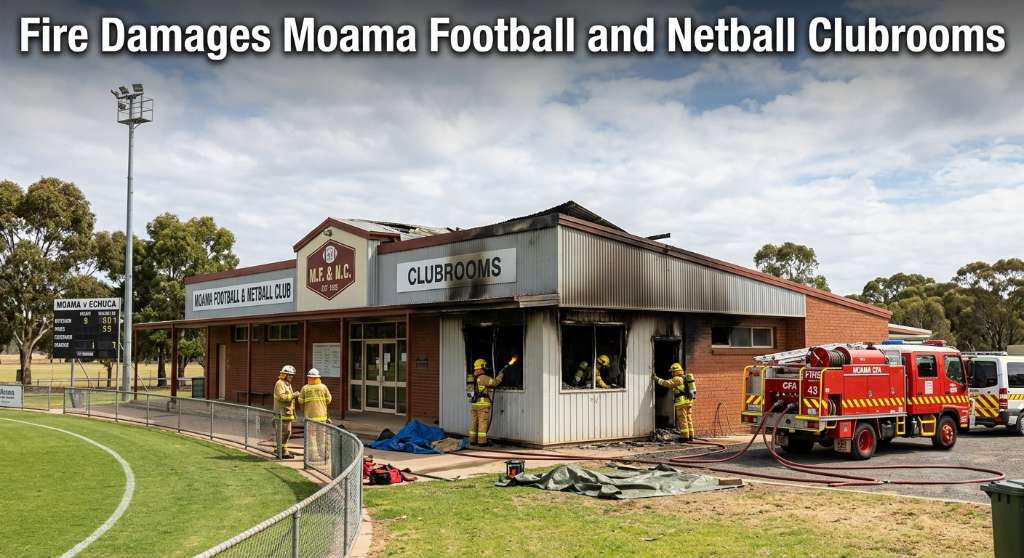
A fire damaged the Moama Football and Netball Club's social rooms during Saturday's grand final, forcing about 1,000 people to leave the building becaus...
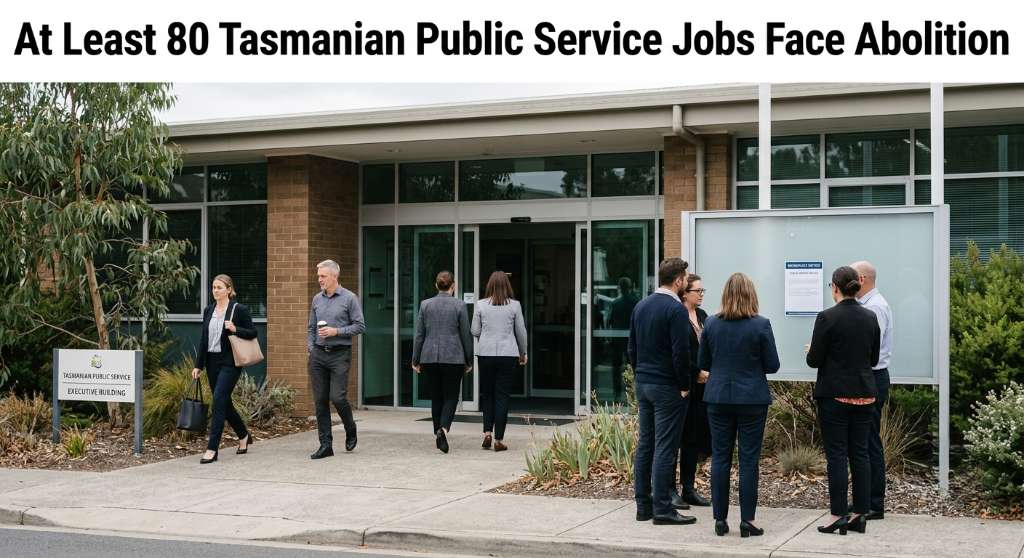
At least 80 positions have been identified for abolition as Tasmania restructures parts of its public service and works toward a broader reduction in go...
Australian tennis player Talia Gibson has reached her first WTA Tour-level singles final at the Singapore Open after Tatiana Prozorova withdrew from the...
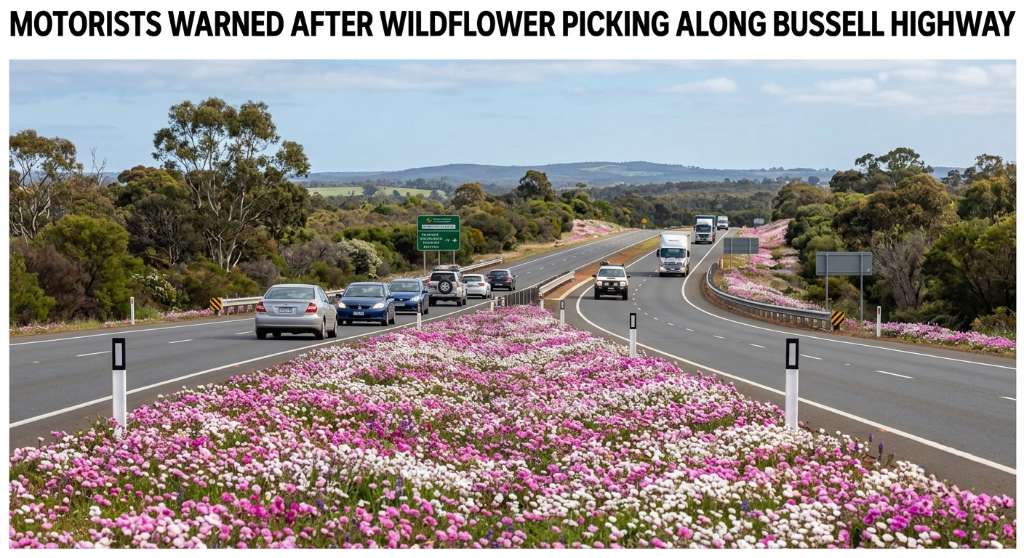
Drivers stopping to pick or photograph colourful everlasting wildflowers along Western Australia’s Bussell Highway are being warned about serious road-s...
Three separate earthquakes were recorded near Port Hedland in Western Australia over the weekend, with more than 100 reports submitted to Geoscience Aus...
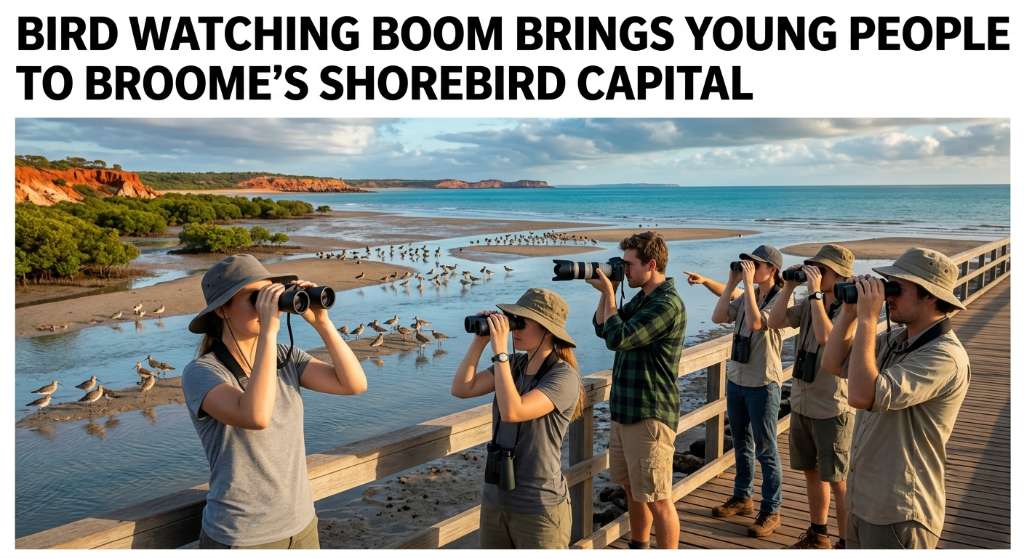
A growing number of young Australians are taking up birdwatching, bringing fresh interest to the Broome Bird Observatory and the migratory shorebirds of...
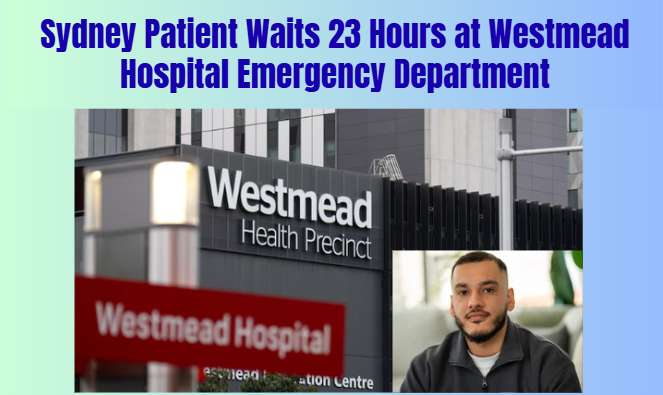
A Sydney patient says he spent 23 hours waiting on a chair at Westmead Hospital's emergency department, while new figures show continuing pressure on th...
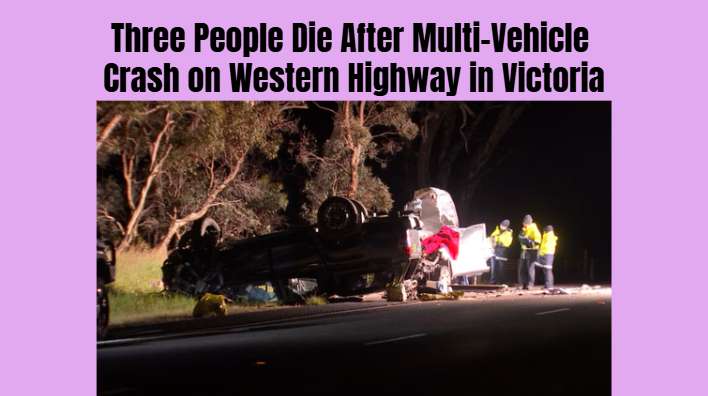
Three people, including a 14-year-old girl, have died following a multi-vehicle collision on the Western Highway near Ledcourt in Victoria's north-west.
A 50-year-old man has died after being struck by a vehicle in Fernvale, west of Brisbane, with police launching a homicide investigation and arresting a...
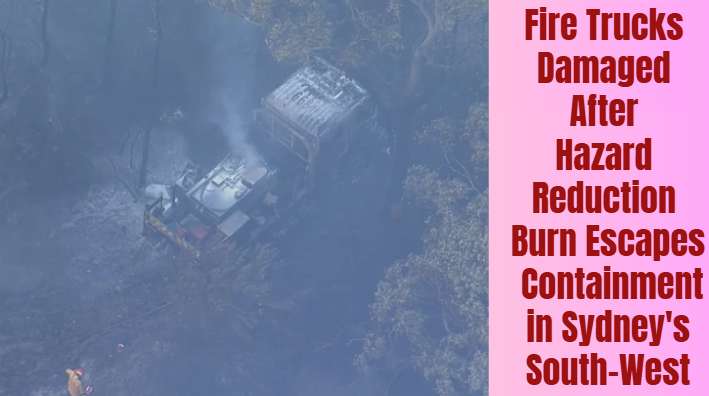
Multiple Rural Fire Service trucks were damaged after a planned hazard reduction burn at Wedderburn in Sydney's south-west escaped containment on Saturday.