Woman with terminal cancer avoids conviction after hospital outburst and police stand-off
By Neha Maurya · Published 02 Jul 2026 · Updated 02 Jul 2026
Brisbane, Queensland · Queensland News
Safety note: Admin approval is an initial review, not a guarantee that every detail is correct. Check important or urgent claims with official sources and report anything inaccurate or unsafe.
Source and credit: Contributor's own report
Woman with terminal cancer avoids conviction after hospital outburst and police stand-off - Brisbane, Queensland
Smart summary
A 58-year-old Queensland woman diagnosed with terminal cancer has avoided a criminal conviction after pleading guilty to public nuisance and obstructing police following a lengthy confrontation at a Brisbane hospital.
A Queensland woman living with terminal cancer has avoided having a criminal conviction recorded after pleading guilty to offences arising from a confrontation at a Brisbane hospital that resulted in police physically carrying her from the premises.
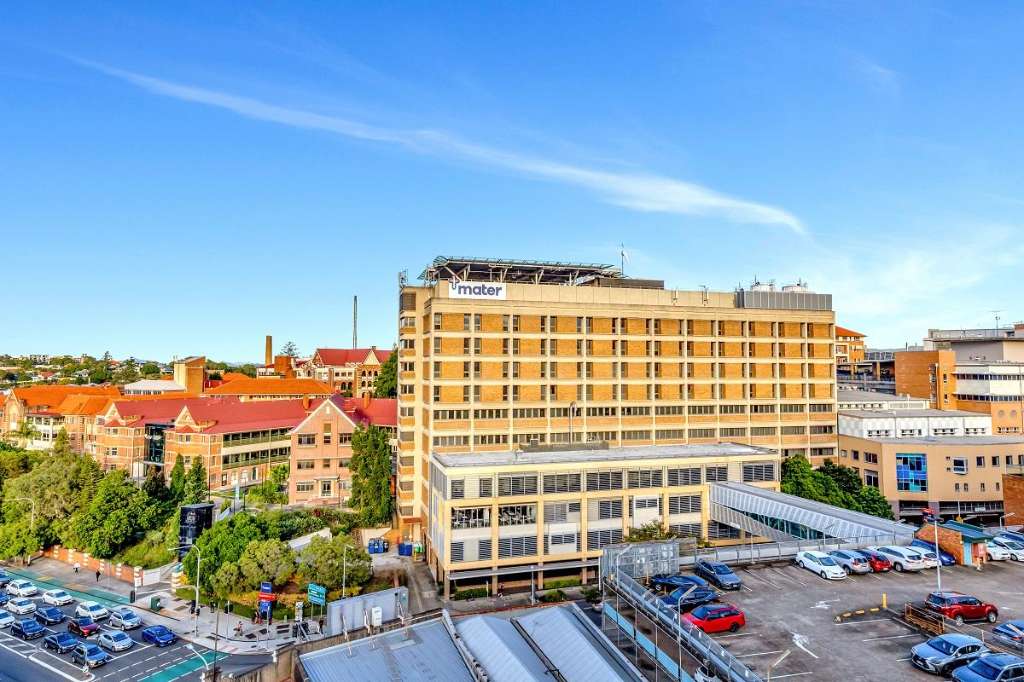
Kim Leask, 58, appeared in the Maroochydore Magistrates Court on 2 July 2026, where she admitted to one count of public nuisance and one count of obstructing police. The charges related to an incident at Mater Private Hospital Brisbane on 11 August 2025.
The court heard Leask attended the hospital for an X-ray appointment. During the visit, she informed staff that she had an allergy to the contrast dye commonly used in some imaging procedures. When the scan did not proceed as expected, she became increasingly frustrated and allegedly began verbally abusing hospital staff while recording herself shouting inside the facility.
Hospital security asked Leask to leave the premises, but she allegedly refused. Queensland Police were then called to assist. Prosecutors told the court officers attempted to escort her from the building peacefully, but after walking only a short distance she deliberately sat on the ground and dropped her body weight, making it difficult for officers to move her.
Police eventually carried Leask to a police vehicle. The court heard she repeatedly used her legs to stop officers from closing the vehicle door, resulting in an extended stand-off lasting nearly two hours before police were able to safely place her in handcuffs and transport her from the hospital.
During sentencing, Leask's lawyer said his client had been under enormous emotional pressure because she was living with a terminal illness and had become distressed by the situation at the hospital. The defence submitted that the confrontation occurred during an exceptionally stressful period in her life and asked the court to take her medical condition into account.
Magistrate Chris Callaghan acknowledged Leask's serious health condition but said it could not excuse her behaviour toward hospital staff and police officers.
The magistrate noted that while her circumstances attracted sympathy, healthcare workers and emergency responders were entitled to carry out their duties without being subjected to abuse or obstruction. He emphasised that difficult personal circumstances do not justify unlawful conduct in public settings.
Rather than imposing a conviction, Magistrate Callaghan placed Leask on a six-month good behaviour bond in the amount of $600 and ordered that no conviction be recorded. The outcome means she will avoid a criminal conviction provided she complies with the conditions of the bond.
The case highlights the challenges faced by healthcare workers and police when responding to highly emotional situations involving vulnerable patients, while also reinforcing that courts continue to balance compassion for personal circumstances with the need to uphold public order and protect frontline staff.
HospitalPoliceLeaskConvictionCourt
A Queensland woman living with terminal cancer has avoided having a criminal conviction recorded after pleading guilty to offences arising from a confrontation at a Brisbane hospital that resulted in police physically carrying her from the premises.
Kim Leask, 58, appeared in the Maroochydore Magistrates Court on 2 July 2026, where she admitted to one count of public nuisance and one count of obstructing police. The charges related to an incident at Mater Private Hospital Brisbane on 11 August 2025.
The court heard Leask attended the hospital for an X-ray appointment. During the visit, she informed staff that she had an allergy to the contrast dye commonly used in some imaging procedures. When the scan did not proceed as expected, she became increasingly frustrated and allegedly began verbally abusing hospital staff while recording herself shouting inside the facility.
Hospital security asked Leask to leave the premises, but she allegedly refused. Queensland Police were then called to assist. Prosecutors told the court officers attempted to escort her from the building peacefully, but after walking only a short distance she deliberately sat on the ground and dropped her body weight, making it difficult for officers to move her.
Police eventually carried Leask to a police vehicle. The court heard she repeatedly used her legs to stop officers from closing the vehicle door, resulting in an extended stand-off lasting nearly two hours before police were able to safely place her in handcuffs and transport her from the hospital.
During sentencing, Leask's lawyer said his client had been under enormous emotional pressure because she was living with a terminal illness and had become distressed by the situation at the hospital. The defence submitted that the confrontation occurred during an exceptionally stressful period in her life and asked the court to take her medical condition into account.
Magistrate Chris Callaghan acknowledged Leask's serious health condition but said it could not excuse her behaviour toward hospital staff and police officers.
The magistrate noted that while her circumstances attracted sympathy, healthcare workers and emergency responders were entitled to carry out their duties without being subjected to abuse or obstruction. He emphasised that difficult personal circumstances do not justify unlawful conduct in public settings.
Rather than imposing a conviction, Magistrate Callaghan placed Leask on a six-month good behaviour bond in the amount of $600 and ordered that no conviction be recorded. The outcome means she will avoid a criminal conviction provided she complies with the conditions of the bond.
The case highlights the challenges faced by healthcare workers and police when responding to highly emotional situations involving vulnerable patients, while also reinforcing that courts continue to balance compassion for personal circumstances with the need to uphold public order and protect frontline staff.
A 59-year-old rubbish-truck driver has been charged with dangerous driving causing death after a 70-year-old man was fatally struck in Queens Park earli...
A man has been sentenced to five years in prison after pleading guilty to aggravated dangerous driving that caused the death of his former partner near Orange, New South Wales....
A Queensland government audit has identified gaps in record-keeping around social housing applications cancelled because applicants could not be contact...
BESIX Watpac and John Holland have been selected as the sole finalist to progress contract negotiations for Brisbane’s planned 63,000-seat Victoria Park...
Gold Coast Mayor Tom Tate has renewed his proposal for a separate daylight-saving arrangement in southeast Queensland as daylight saving begins in sever...
Authorities have crushed 23 confiscated electric bikes in Blacktown under new laws targeting non-compliant e-bikes, following a joint enforcement operat...
Thousands of Victorian doctors and allied health professionals have begun industrial action over stalled negotiations on pay and working conditions, wit...