Safety note: Admin approval is an initial review, not a guarantee that every detail is correct. Check important or urgent claims with official sources and report anything inaccurate or unsafe.
A public inquiry has heard allegations of threats, industrial disruption and rising costs during the Centenary Bridge upgrade.
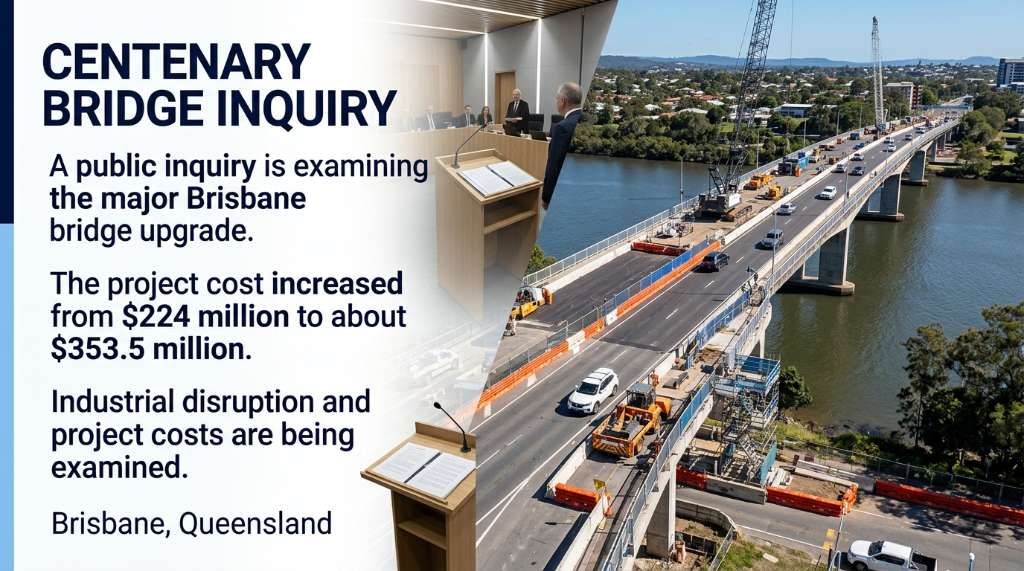
A public inquiry into the Centenary Bridge upgrade in Brisbane is examining allegations about industrial relations, project delays and rising construction costs associated with the major infrastructure project. Evidence presented during the inquiry has included claims concerning workplace disputes, alleged threats and disagreements involving unions and other parties connected with the construction work.
The Centenary Bridge is an important part of Brisbane's transport network. The bridge and surrounding infrastructure provide a major connection for motorists travelling across the Brisbane River and through Brisbane's western suburbs. Improvements to the corridor were intended to increase capacity, improve traffic movement and support the city's long-term transport needs.
The inquiry is examining how the project was delivered and why its final cost was significantly higher than the original budget. The project was initially budgeted at approximately $224 million, while its reported cost later increased to around $353.5 million.
One of the issues being examined is the impact of industrial action on construction progress. Evidence presented to the inquiry indicated that approximately 70 days were lost to industrial action during the project.
Industrial disputes can have significant consequences for large infrastructure projects because construction depends on coordinated work involving engineers, tradespeople, contractors, subcontractors and project managers. When work is interrupted, delays can affect scheduling and increase costs associated with labour, equipment and project management.
The inquiry has also heard evidence relating to Best Practice Industry Conditions arrangements. Around $22 million of the reported cost increase has been attributed to these arrangements, according to evidence reported from the inquiry.
The hearings are examining the circumstances surrounding these costs and the broader industrial environment in which the bridge upgrade was constructed.
Another issue raised during the inquiry concerns allegations of threats and workplace pressure. Claims involving threats are serious and are being examined as part of the evidence presented to the inquiry. Allegations made during hearings should not automatically be treated as established facts, as the inquiry must consider evidence from different parties before reaching conclusions.
The inquiry provides a formal process for examining what happened during the project and identifying factors that may have contributed to delays or additional costs.
Large public infrastructure projects involve significant amounts of taxpayer funding, making transparency and accountability important considerations. When a project costs substantially more than its original estimate, questions can arise about planning, contracting, industrial arrangements and project management.
The Centenary Bridge project is therefore receiving attention not only because of the infrastructure itself but also because of the broader questions surrounding how major construction projects are managed.
The inquiry may consider evidence from government representatives, contractors, unions, workers and other organisations involved in the project. Different participants may provide different accounts of events, making the inquiry's examination of evidence particularly important.
The outcome could provide lessons for future infrastructure projects in Brisbane and Queensland. Governments regularly undertake major transport projects, and understanding the causes of delays and cost increases can help improve planning and project management in future developments.
For Brisbane residents, the project has direct relevance because the Centenary Bridge forms part of a major transport corridor. Any improvements to the bridge and surrounding roads can influence travel times and traffic conditions for large numbers of commuters.
At the same time, the cost of delivering those improvements remains an important public issue. Understanding why the project's expenditure increased can help determine whether similar problems can be avoided on future projects.
The inquiry is continuing, and further evidence may be presented as hearings progress. Its eventual findings could provide a detailed account of the factors that affected the project's cost, schedule and construction environment.
It is important to distinguish between allegations presented during the inquiry and findings that have been formally established. The claims discussed during the hearings remain subject to examination.
The Centenary Bridge inquiry ultimately has the opportunity to provide greater transparency around the delivery of one of Brisbane's significant transport infrastructure projects and potentially identify lessons for future construction programs.
ProjectInquiryBridgeEvidenceBrisbane
A public inquiry into the Centenary Bridge upgrade in Brisbane is examining allegations about industrial relations, project delays and rising construction costs associated with the major infrastructure project. Evidence presented during the inquiry has included claims concerning workplace disputes, alleged threats and disagreements involving unions and other parties connected with the construction work.
The Centenary Bridge is an important part of Brisbane's transport network. The bridge and surrounding infrastructure provide a major connection for motorists travelling across the Brisbane River and through Brisbane's western suburbs. Improvements to the corridor were intended to increase capacity, improve traffic movement and support the city's long-term transport needs.
The inquiry is examining how the project was delivered and why its final cost was significantly higher than the original budget. The project was initially budgeted at approximately $224 million, while its reported cost later increased to around $353.5 million.
One of the issues being examined is the impact of industrial action on construction progress. Evidence presented to the inquiry indicated that approximately 70 days were lost to industrial action during the project.
Industrial disputes can have significant consequences for large infrastructure projects because construction depends on coordinated work involving engineers, tradespeople, contractors, subcontractors and project managers. When work is interrupted, delays can affect scheduling and increase costs associated with labour, equipment and project management.
The inquiry has also heard evidence relating to Best Practice Industry Conditions arrangements. Around $22 million of the reported cost increase has been attributed to these arrangements, according to evidence reported from the inquiry.
The hearings are examining the circumstances surrounding these costs and the broader industrial environment in which the bridge upgrade was constructed.
Another issue raised during the inquiry concerns allegations of threats and workplace pressure. Claims involving threats are serious and are being examined as part of the evidence presented to the inquiry. Allegations made during hearings should not automatically be treated as established facts, as the inquiry must consider evidence from different parties before reaching conclusions.
The inquiry provides a formal process for examining what happened during the project and identifying factors that may have contributed to delays or additional costs.
Large public infrastructure projects involve significant amounts of taxpayer funding, making transparency and accountability important considerations. When a project costs substantially more than its original estimate, questions can arise about planning, contracting, industrial arrangements and project management.
The Centenary Bridge project is therefore receiving attention not only because of the infrastructure itself but also because of the broader questions surrounding how major construction projects are managed.
The inquiry may consider evidence from government representatives, contractors, unions, workers and other organisations involved in the project. Different participants may provide different accounts of events, making the inquiry's examination of evidence particularly important.
The outcome could provide lessons for future infrastructure projects in Brisbane and Queensland. Governments regularly undertake major transport projects, and understanding the causes of delays and cost increases can help improve planning and project management in future developments.
For Brisbane residents, the project has direct relevance because the Centenary Bridge forms part of a major transport corridor. Any improvements to the bridge and surrounding roads can influence travel times and traffic conditions for large numbers of commuters.
At the same time, the cost of delivering those improvements remains an important public issue. Understanding why the project's expenditure increased can help determine whether similar problems can be avoided on future projects.
The inquiry is continuing, and further evidence may be presented as hearings progress. Its eventual findings could provide a detailed account of the factors that affected the project's cost, schedule and construction environment.
It is important to distinguish between allegations presented during the inquiry and findings that have been formally established. The claims discussed during the hearings remain subject to examination.
The Centenary Bridge inquiry ultimately has the opportunity to provide greater transparency around the delivery of one of Brisbane's significant transport infrastructure projects and potentially identify lessons for future construction programs.
Tasmanian homeowners and businesses are facing higher borrowing costs after the Reserve Bank lifted the cash rate to 4.6 per cent, with lower average wa...
The ACT will begin the first phase of the Thriving Kids program on October 1, providing developmental support pathways for children while concerns remai...
Geelong's historic Botanic Gardens are preparing for their 175th anniversary, with volunteers and horticultural staff working to preserve a living colle...
Three high-school students have joined the Carnarvon Volunteer Fire and Rescue Service as the regional organisation works to strengthen its volunteer nu...
A Queensland government audit has identified gaps in record-keeping around social housing applications cancelled because applicants could not be contact...
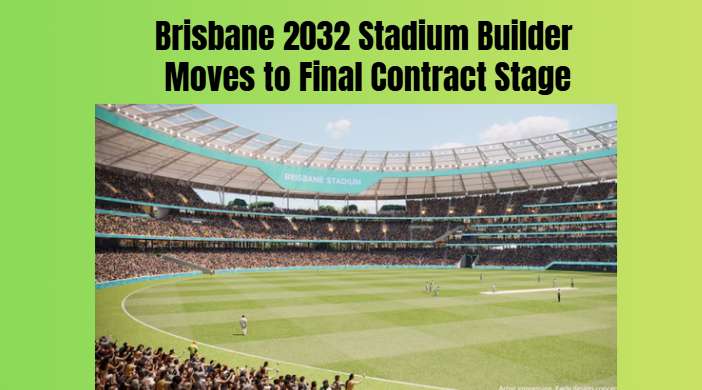
BESIX Watpac and John Holland have been selected as the sole finalist to progress contract negotiations for Brisbane’s planned 63,000-seat Victoria Park...
Gold Coast Mayor Tom Tate has renewed his proposal for a separate daylight-saving arrangement in southeast Queensland as daylight saving begins in sever...
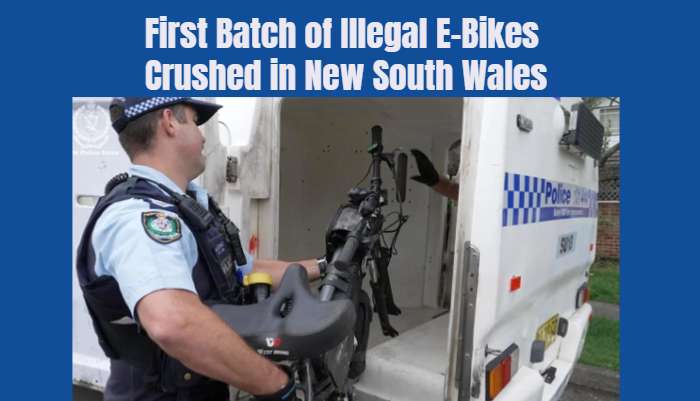
Authorities have crushed 23 confiscated electric bikes in Blacktown under new laws targeting non-compliant e-bikes, following a joint enforcement operat...
Thousands of Victorian doctors and allied health professionals have begun industrial action over stalled negotiations on pay and working conditions, wit...