Safety note: Admin approval is an initial review, not a guarantee that every detail is correct. Check important or urgent claims with official sources and report anything inaccurate or unsafe.
Source and credit: Contributor's own report
Adelaide Charity Director Faces New Dishonesty Charges in Court - Adelaide, SA
Smart summary
Second Chances charity director Samuel Mark Narroway has appeared before an Adelaide-area court over contested charges involving alleged dishonest dealings with documents and unlawful entry.
A charity director in South Australia has appeared in court facing new charges relating to alleged dishonest dealings with documents and being unlawfully on premises.
Samuel Mark Narroway, director of the charity Second Chances, appeared at Elizabeth Magistrates Court this week. The charges relate to alleged incidents that occurred in December last year at locations including Mobilong, Murray Bridge and Northfield.
Narroway is facing two counts of dishonest dealings with documents and two counts of being unlawfully on premises. His lawyer, Shane Sanchez, told the court that the charges are contested. The case was adjourned until November, meaning the allegations remain before the court and have not been determined.
Narroway has previously served time in prison and later became involved with Second Chances, an organisation that works with prisoners and their families. He has described his work with the charity as part of a significant change in his life following his earlier offending.
His previous criminal history includes convictions connected to impersonating officials. In 2019, he was convicted after impersonating a police officer on several occasions. Court proceedings in that matter involved allegations that he used a fake police badge and a vehicle fitted with flashing lights to stop members of the public and demand money under the pretence of issuing fines.
He was also fined in 2016 after being found to have posed as a Safe Work SA inspector and conducted fake workplace inspections.
The latest court proceedings have also affected Second Chances. The organisation's funding from the South Australian Government was cut after the latest charges were laid. The charity's vice-chair, Leslie Dennis, has publicly indicated that the organisation continues to support Narroway while the allegations are being dealt with through the legal system.
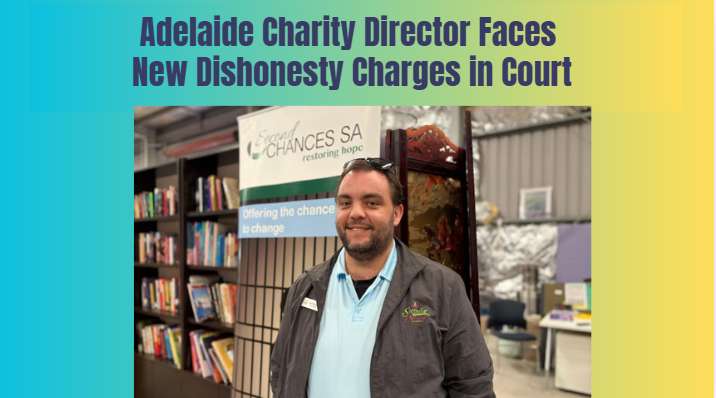
Narroway attended court wearing clothing displaying the Second Chances logo and did not comment to reporters as he left the court.
The latest allegations concern document dealings and alleged unlawful entry rather than the earlier offences for which Narroway was convicted. The distinction is important because the current charges have not yet been proven in court.
The matter is expected to return to court in November. Until the proceedings are resolved, Narroway remains entitled to the presumption of innocence in relation to the new allegations.
The case has attracted attention because of Narroway's unusual transition from a person with a history of fraud-related offending to a leadership position in an organisation supporting prisoners and their families. The charity's future involvement with him and its government funding arrangements may also depend on the outcome of the court proceedings.
CourtNarrowayChargesCharityAllegations
A charity director in South Australia has appeared in court facing new charges relating to alleged dishonest dealings with documents and being unlawfully on premises.
Samuel Mark Narroway, director of the charity Second Chances, appeared at Elizabeth Magistrates Court this week. The charges relate to alleged incidents that occurred in December last year at locations including Mobilong, Murray Bridge and Northfield.
Narroway is facing two counts of dishonest dealings with documents and two counts of being unlawfully on premises. His lawyer, Shane Sanchez, told the court that the charges are contested. The case was adjourned until November, meaning the allegations remain before the court and have not been determined.
Narroway has previously served time in prison and later became involved with Second Chances, an organisation that works with prisoners and their families. He has described his work with the charity as part of a significant change in his life following his earlier offending.
His previous criminal history includes convictions connected to impersonating officials. In 2019, he was convicted after impersonating a police officer on several occasions. Court proceedings in that matter involved allegations that he used a fake police badge and a vehicle fitted with flashing lights to stop members of the public and demand money under the pretence of issuing fines.
He was also fined in 2016 after being found to have posed as a Safe Work SA inspector and conducted fake workplace inspections.
The latest court proceedings have also affected Second Chances. The organisation's funding from the South Australian Government was cut after the latest charges were laid. The charity's vice-chair, Leslie Dennis, has publicly indicated that the organisation continues to support Narroway while the allegations are being dealt with through the legal system.
Narroway attended court wearing clothing displaying the Second Chances logo and did not comment to reporters as he left the court.
The latest allegations concern document dealings and alleged unlawful entry rather than the earlier offences for which Narroway was convicted. The distinction is important because the current charges have not yet been proven in court.
The matter is expected to return to court in November. Until the proceedings are resolved, Narroway remains entitled to the presumption of innocence in relation to the new allegations.
The case has attracted attention because of Narroway's unusual transition from a person with a history of fraud-related offending to a leadership position in an organisation supporting prisoners and their families. The charity's future involvement with him and its government funding arrangements may also depend on the outcome of the court proceedings.
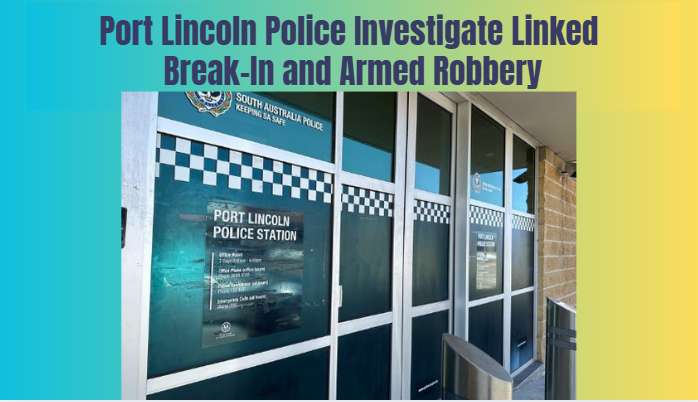
Police are investigating two early-morning incidents at a Port Lincoln business and service station after a man allegedly broke into a store and later t...
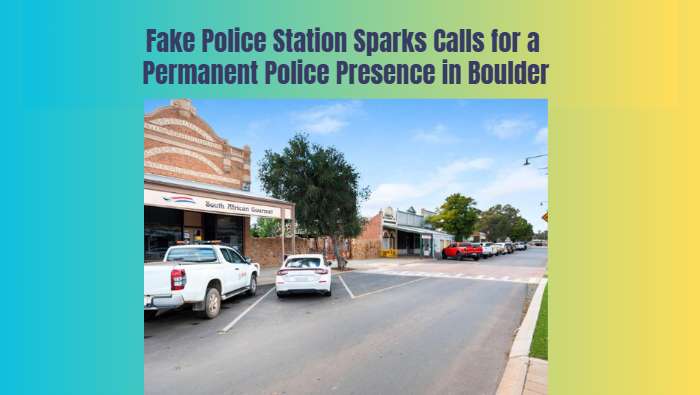
A temporary police station created as a film set in Boulder appeared to calm activity on Burt Street, prompting locals to renew calls for a permanent 24...
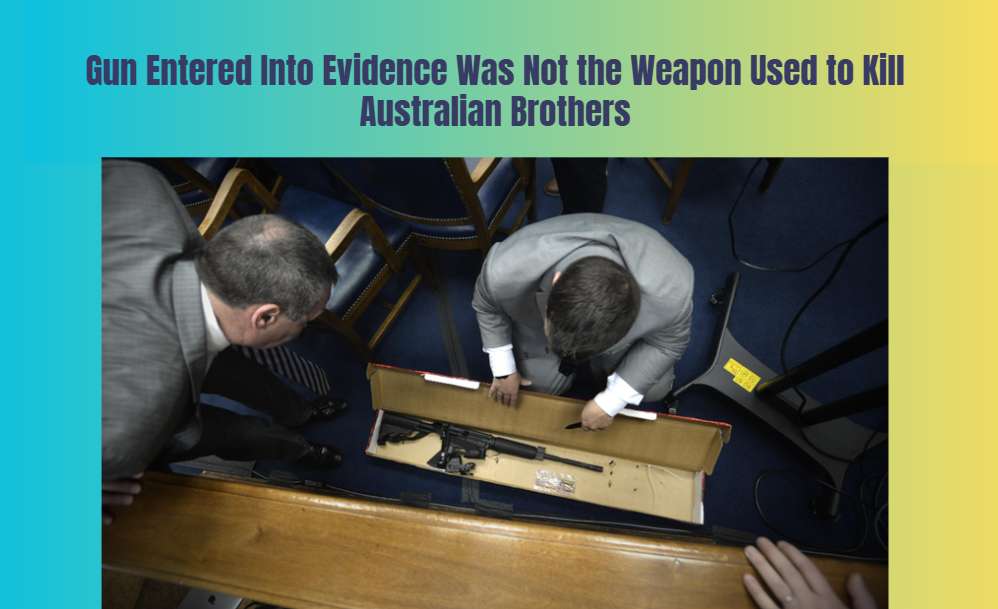
A firearms expert has told a court that a gun presented as evidence in the murder investigation involving two Australian brothers and their American fri...
Police are investigating two early-morning incidents at a Port Lincoln business and service station after a man allegedly broke into a store and later t...
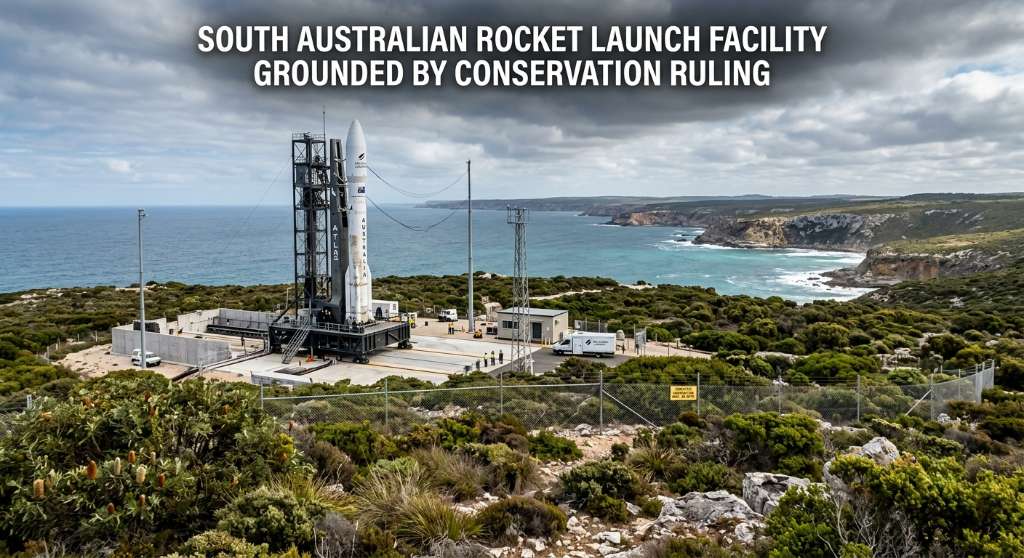
A proposed rocket launch facility near Port Lincoln has been put on hold after South Australia's Native Vegetation Council rejected an application to al...
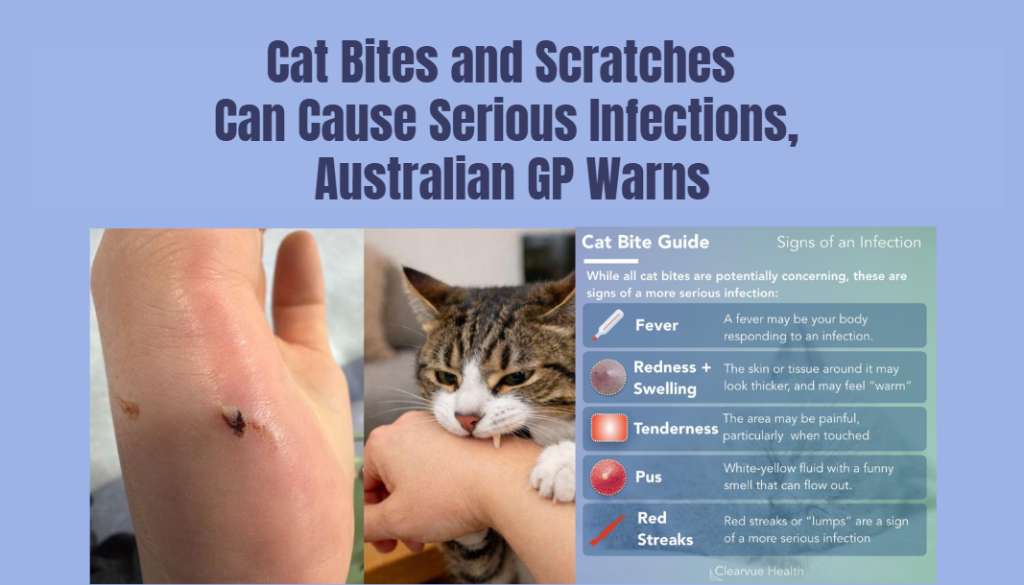
Australian health experts are warning that cat bites and scratches can cause severe infections, with hospitalisations from cat-related injuries nearly t...
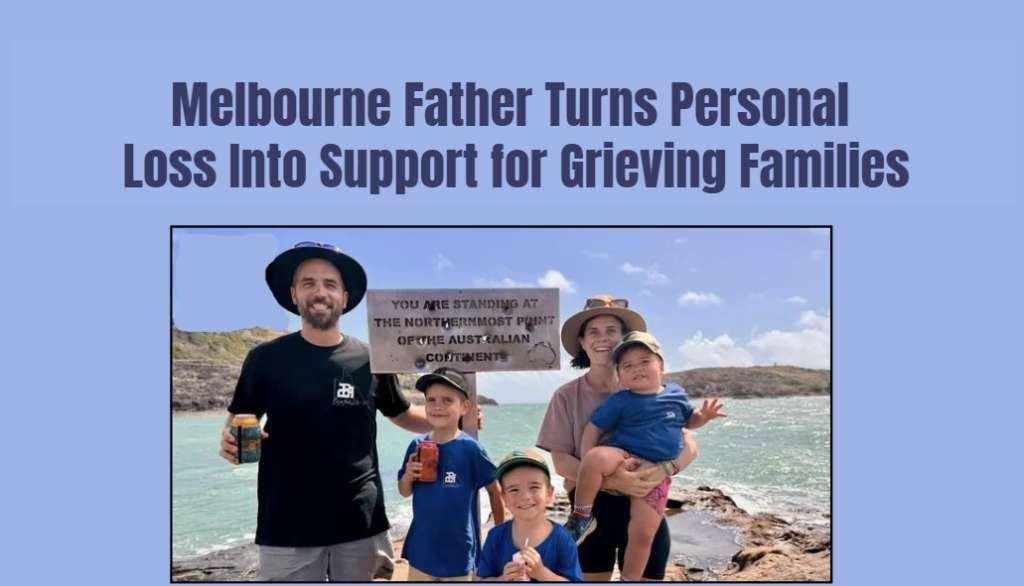
After losing two sons, Melbourne father Nick Olney has established a charity helping grieving parents preserve memories of their babies and access suppo...
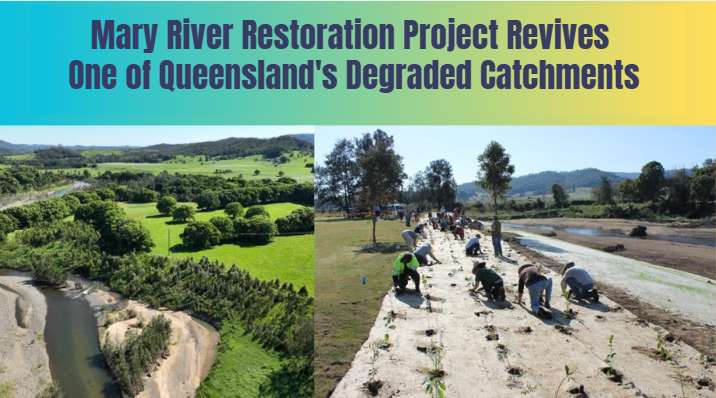
A long-running community restoration effort along Queensland's Mary River is reducing erosion, improving water quality and helping restore habitat for n...