Safety note: Admin approval is an initial review, not a guarantee that every detail is correct. Check important or urgent claims with official sources and report anything inaccurate or unsafe.
Source and credit: Contributor's own report
Smart summary
Prime Minister Anthony Albanese says an agreement to secure the future of Tasmania's Bell Bay aluminium smelter is close, as the federal and state governments negotiate with Rio Tinto over its future energy supply.
Prime Minister Anthony Albanese has said a deal to secure the future of the Bell Bay aluminium smelter in northern Tasmania is “pretty close”, as negotiations continue between the federal government, Tasmanian Government and Rio Tinto.
The Bell Bay smelter is operated by Rio Tinto and relies on electricity supplied through an agreement with Hydro Tasmania. The existing energy arrangement is due to expire at the end of 2026, creating pressure for the parties to reach a new agreement.
The issue has become a significant political and economic matter in Tasmania because Bell Bay is an important industrial employer and part of the state's manufacturing and resources economy. The future of the smelter has also attracted federal attention because of its role in regional employment and aluminium production.
According to the Northern Tasmania regional briefing, the Tasmanian Government says there is currently an estimated $60 million annual gap between the electricity price Rio Tinto is willing to pay and the price Hydro Tasmania is seeking for the power supply.
Tasmanian Premier Jeremy Rockliff has called on the federal government to contribute to efforts to secure the smelter's future. The discussions therefore involve questions about electricity pricing, government assistance and the long-term viability of the facility.
Prime Minister Albanese said negotiations were progressing and indicated that an agreement was close, although the final terms had not been announced at the time of the report.
The negotiations are taking place against a broader debate about the role of government in supporting major industrial facilities and maintaining manufacturing jobs in regional Australia. Energy costs are particularly important for aluminium production because smelting requires large and continuous amounts of electricity.
For Tasmania, the Bell Bay issue also has implications for the state's electricity market and industrial strategy. Hydro Tasmania is the state's publicly owned electricity generator and is involved in negotiations over the supply arrangement.
The federal government has previously been involved in discussions about support for major industrial projects, while the Tasmanian Government has continued to seek arrangements that would maintain the smelter's operations beyond the expiry of the current agreement.
At this stage, the governments and Rio Tinto have not announced a completed long-term agreement. Albanese's comments indicate negotiations are continuing, with the future energy arrangement still being worked through.
GovernmentTasmaniaElectricitySmelterAgreement
Prime Minister Anthony Albanese has said a deal to secure the future of the Bell Bay aluminium smelter in northern Tasmania is “pretty close”, as negotiations continue between the federal government, Tasmanian Government and Rio Tinto.
The Bell Bay smelter is operated by Rio Tinto and relies on electricity supplied through an agreement with Hydro Tasmania. The existing energy arrangement is due to expire at the end of 2026, creating pressure for the parties to reach a new agreement.
The issue has become a significant political and economic matter in Tasmania because Bell Bay is an important industrial employer and part of the state's manufacturing and resources economy. The future of the smelter has also attracted federal attention because of its role in regional employment and aluminium production.
According to the Northern Tasmania regional briefing, the Tasmanian Government says there is currently an estimated $60 million annual gap between the electricity price Rio Tinto is willing to pay and the price Hydro Tasmania is seeking for the power supply.
Tasmanian Premier Jeremy Rockliff has called on the federal government to contribute to efforts to secure the smelter's future. The discussions therefore involve questions about electricity pricing, government assistance and the long-term viability of the facility.
Prime Minister Albanese said negotiations were progressing and indicated that an agreement was close, although the final terms had not been announced at the time of the report.
The negotiations are taking place against a broader debate about the role of government in supporting major industrial facilities and maintaining manufacturing jobs in regional Australia. Energy costs are particularly important for aluminium production because smelting requires large and continuous amounts of electricity.
For Tasmania, the Bell Bay issue also has implications for the state's electricity market and industrial strategy. Hydro Tasmania is the state's publicly owned electricity generator and is involved in negotiations over the supply arrangement.
The federal government has previously been involved in discussions about support for major industrial projects, while the Tasmanian Government has continued to seek arrangements that would maintain the smelter's operations beyond the expiry of the current agreement.
At this stage, the governments and Rio Tinto have not announced a completed long-term agreement. Albanese's comments indicate negotiations are continuing, with the future energy arrangement still being worked through.
The Reserve Bank of Australia has increased the cash rate by 25 basis points to 4.6 per cent, while the federal government and opposition debate the cau...
Treasurer Jim Chalmers says the federal budget bottom line has improved by $6 billion compared with the May forecast, while the government faces pressur...
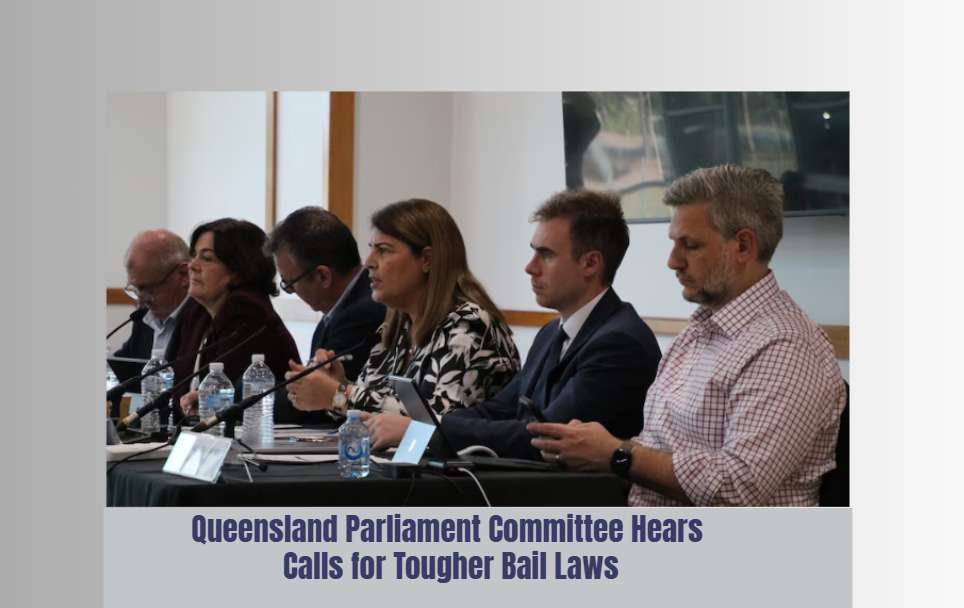
A Queensland parliamentary committee has completed regional hearings on proposed tougher bail laws, hearing from crime victims, legal experts and commun...
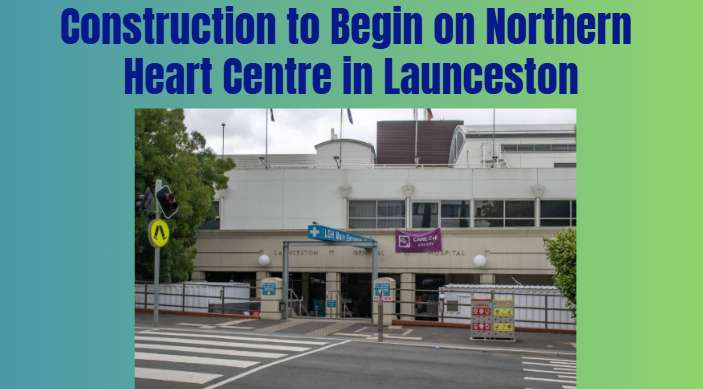
Construction of Tasmania's new Northern Heart Centre at Launceston General Hospital is expected to begin within weeks, expanding cardiac services for pa...
A mock assessment of Ambulance Tasmania found that only 23 of 138 relevant national safety and quality actions were fully met, while the service says im...
A new Tasmanian sports academy is creating education and career pathways as the state’s professional sporting sector expands with the Tasmania Devils, J...
Essential bus services connecting Alice Springs with five remote communities have been reduced, with the operator warning that some routes could be canc...
Geraldton is set to receive the Midwest region's first four-wheel-drive ambulance in October after concerns about emergency access to remote beaches, sa...
The Reserve Bank of Australia has increased the cash rate by 25 basis points to 4.6 per cent, while the federal government and opposition debate the cau...
Heavy and near-record rainfall has inundated parts of Western Australia's Goldfields and Esperance region, damaging pastoral properties and forcing the...