Safety note: Admin approval is an initial review, not a guarantee that every detail is correct. Check important or urgent claims with official sources and report anything inaccurate or unsafe.
Source and credit: Contributor's own report
Alice Springs' reputation as Australia's 'lesbian capital' backed by new research - Alice Springs, NT
Smart summary
New demographic research has ranked Alice Springs among Australia's top 10 most LGBTQIA+ inclusive communities, with the remote town recording one of the nation's highest proportions of same-sex couples and an unusual...
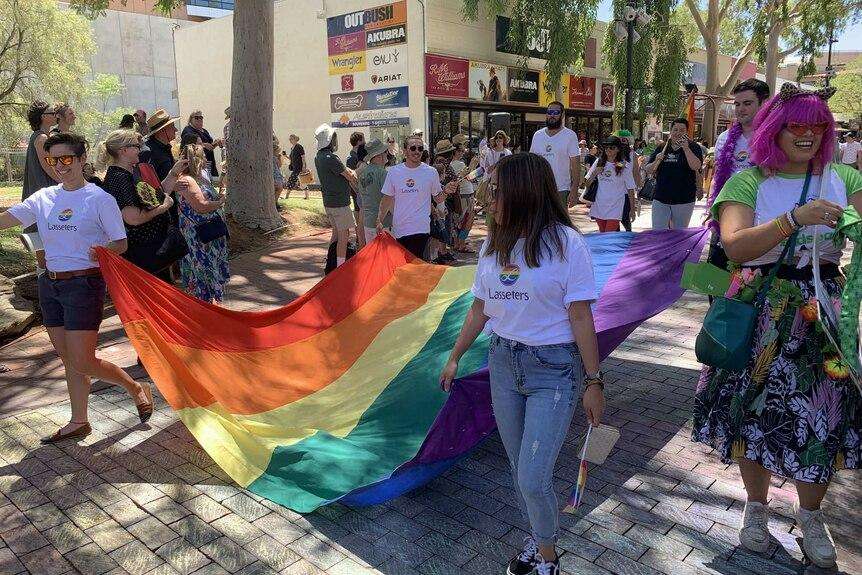
For decades, Alice Springs has affectionately carried the nickname of Australia's "lesbian capital"—a reputation often shared with humour by locals. Now, new demographic research suggests the title reflects more than folklore, placing the Northern Territory town among the country's most LGBTQIA+ inclusive communities.
Research by Charles Darwin University (CDU) demographer Andrew Taylor, based on adjusted 2021 Census data, found Alice Springs ranks 10th nationally for the proportion of same-sex couples within its population. It is the only remote local government area to feature in Australia's top 10 and the only one where women make up the majority of same-sex couples. According to the research, almost 2 per cent of couples in Alice Springs are in same-sex relationships, with 67 per cent of those relationships involving female couples.
Dr Taylor said several factors help explain the figures. The town has experienced an increase in women working in education, health care and community services—industries that employ a high proportion of women—and has long attracted people seeking an inclusive community. He also noted that the 2026 Census will provide additional insight because it is expected to collect more comprehensive information on gender diversity for the first time.
Historians say Alice Springs' welcoming culture has roots stretching back to the 1983 Pine Gap Women's Peace Camp, when around 800 women gathered near the joint defence facility to protest nuclear weapons and militarisation. Many participants remained in Central Australia or returned later, helping establish a strong feminist and lesbian community that continued to grow through the 1980s and 1990s.
Long-time residents Sue Fielding and Jenny Taylor, who both attended the historic protest, told ABC News the town became a refuge for lesbians at a time when acceptance was far less common elsewhere in Australia. They described Alice Springs as a place where newcomers could quickly find friendship, community and a sense of belonging.
The town continues to attract younger LGBTQIA+ Australians. Community worker Meg Wright said moving from regional Victoria to Alice Springs helped her feel more confident about her identity, describing the community as welcoming and supportive. Meanwhile, Alice Springs town councillor Aia Newport, the council's first gender non-conforming councillor, said the town's diversity, strong queer arts scene and Australia's first community-controlled queer and trans health service have strengthened its inclusive reputation.
Alice Springs is also home to fab ALICE, an annual festival inspired by The Adventures of Priscilla, Queen of the Desert, which celebrates LGBTQIA+ culture through drag performances, live entertainment, cabaret and community events. Organisers say the festival reflects the town's long-standing culture of inclusivity and creativity.
Researchers and community leaders believe Alice Springs demonstrates that geographical isolation does not necessarily limit diversity or inclusion. Instead, they argue the town's history of activism, strong community networks and acceptance of difference have helped create one of Australia's most welcoming places for LGBTQIA+ people.
AliceSpringsCommunityTownWomen
For decades, Alice Springs has affectionately carried the nickname of Australia's "lesbian capital"—a reputation often shared with humour by locals. Now, new demographic research suggests the title reflects more than folklore, placing the Northern Territory town among the country's most LGBTQIA+ inclusive communities.
Research by Charles Darwin University (CDU) demographer Andrew Taylor, based on adjusted 2021 Census data, found Alice Springs ranks 10th nationally for the proportion of same-sex couples within its population. It is the only remote local government area to feature in Australia's top 10 and the only one where women make up the majority of same-sex couples. According to the research, almost 2 per cent of couples in Alice Springs are in same-sex relationships, with 67 per cent of those relationships involving female couples.
Dr Taylor said several factors help explain the figures. The town has experienced an increase in women working in education, health care and community services—industries that employ a high proportion of women—and has long attracted people seeking an inclusive community. He also noted that the 2026 Census will provide additional insight because it is expected to collect more comprehensive information on gender diversity for the first time.
Historians say Alice Springs' welcoming culture has roots stretching back to the 1983 Pine Gap Women's Peace Camp, when around 800 women gathered near the joint defence facility to protest nuclear weapons and militarisation. Many participants remained in Central Australia or returned later, helping establish a strong feminist and lesbian community that continued to grow through the 1980s and 1990s.
Long-time residents Sue Fielding and Jenny Taylor, who both attended the historic protest, told ABC News the town became a refuge for lesbians at a time when acceptance was far less common elsewhere in Australia. They described Alice Springs as a place where newcomers could quickly find friendship, community and a sense of belonging.
The town continues to attract younger LGBTQIA+ Australians. Community worker Meg Wright said moving from regional Victoria to Alice Springs helped her feel more confident about her identity, describing the community as welcoming and supportive. Meanwhile, Alice Springs town councillor Aia Newport, the council's first gender non-conforming councillor, said the town's diversity, strong queer arts scene and Australia's first community-controlled queer and trans health service have strengthened its inclusive reputation.
Alice Springs is also home to fab ALICE, an annual festival inspired by The Adventures of Priscilla, Queen of the Desert, which celebrates LGBTQIA+ culture through drag performances, live entertainment, cabaret and community events. Organisers say the festival reflects the town's long-standing culture of inclusivity and creativity.
Researchers and community leaders believe Alice Springs demonstrates that geographical isolation does not necessarily limit diversity or inclusion. Instead, they argue the town's history of activism, strong community networks and acceptance of difference have helped create one of Australia's most welcoming places for LGBTQIA+ people.
Tasmanian homeowners and businesses are facing higher borrowing costs after the Reserve Bank lifted the cash rate to 4.6 per cent, with lower average wa...
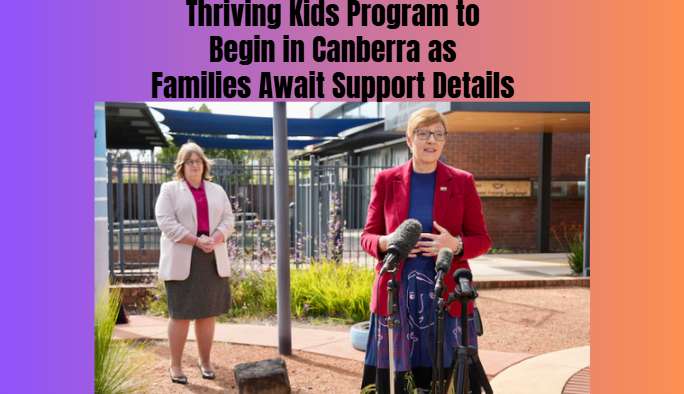
The ACT will begin the first phase of the Thriving Kids program on October 1, providing developmental support pathways for children while concerns remai...
Geelong's historic Botanic Gardens are preparing for their 175th anniversary, with volunteers and horticultural staff working to preserve a living colle...
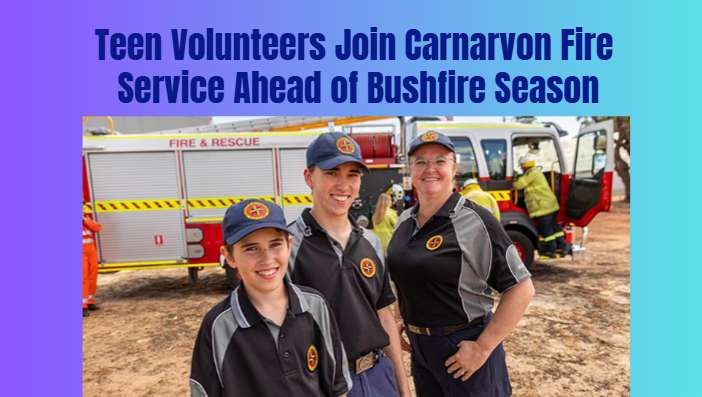
Three high-school students have joined the Carnarvon Volunteer Fire and Rescue Service as the regional organisation works to strengthen its volunteer nu...
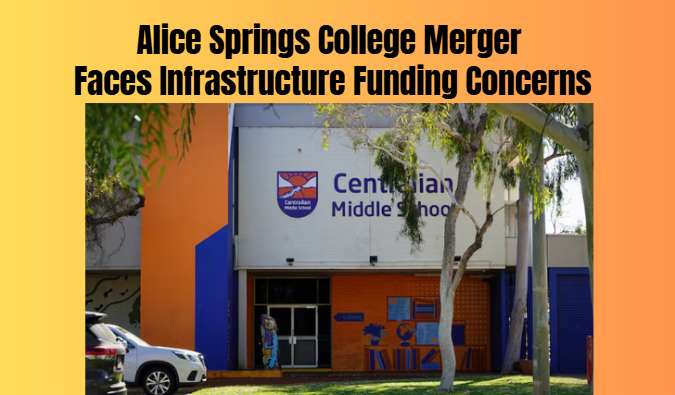
Community and education representatives have raised concerns that the initial $500,000 allocation may not cover the infrastructure upgrades needed for t...
Essential bus services connecting Alice Springs with five remote communities have been reduced, with the operator warning that some routes could be canc...
Northern Territory Police are investigating a series of alleged aggravated burglaries in Alice Springs after up to seven homes in the Araluen area were...
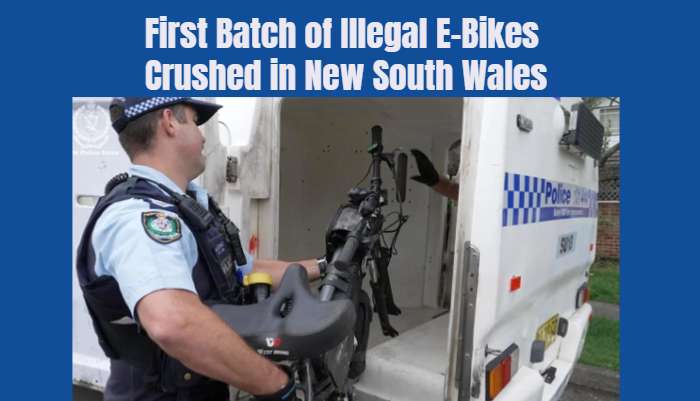
Authorities have crushed 23 confiscated electric bikes in Blacktown under new laws targeting non-compliant e-bikes, following a joint enforcement operat...
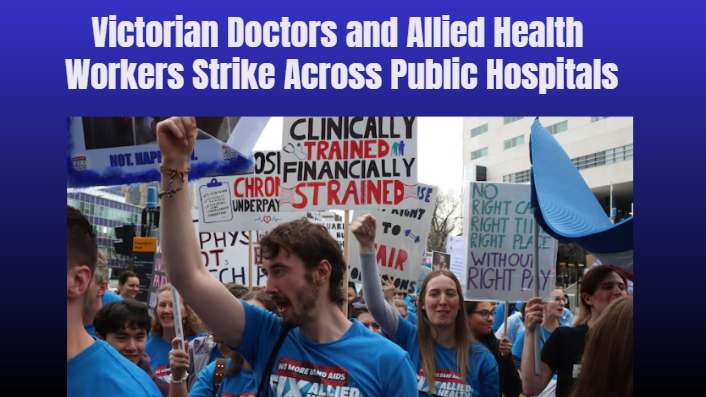
Thousands of Victorian doctors and allied health professionals have begun industrial action over stalled negotiations on pay and working conditions, wit...