Safety note: Admin approval is an initial review, not a guarantee that every detail is correct. Check important or urgent claims with official sources and report anything inaccurate or unsafe.
Source and credit: Contributor's own report
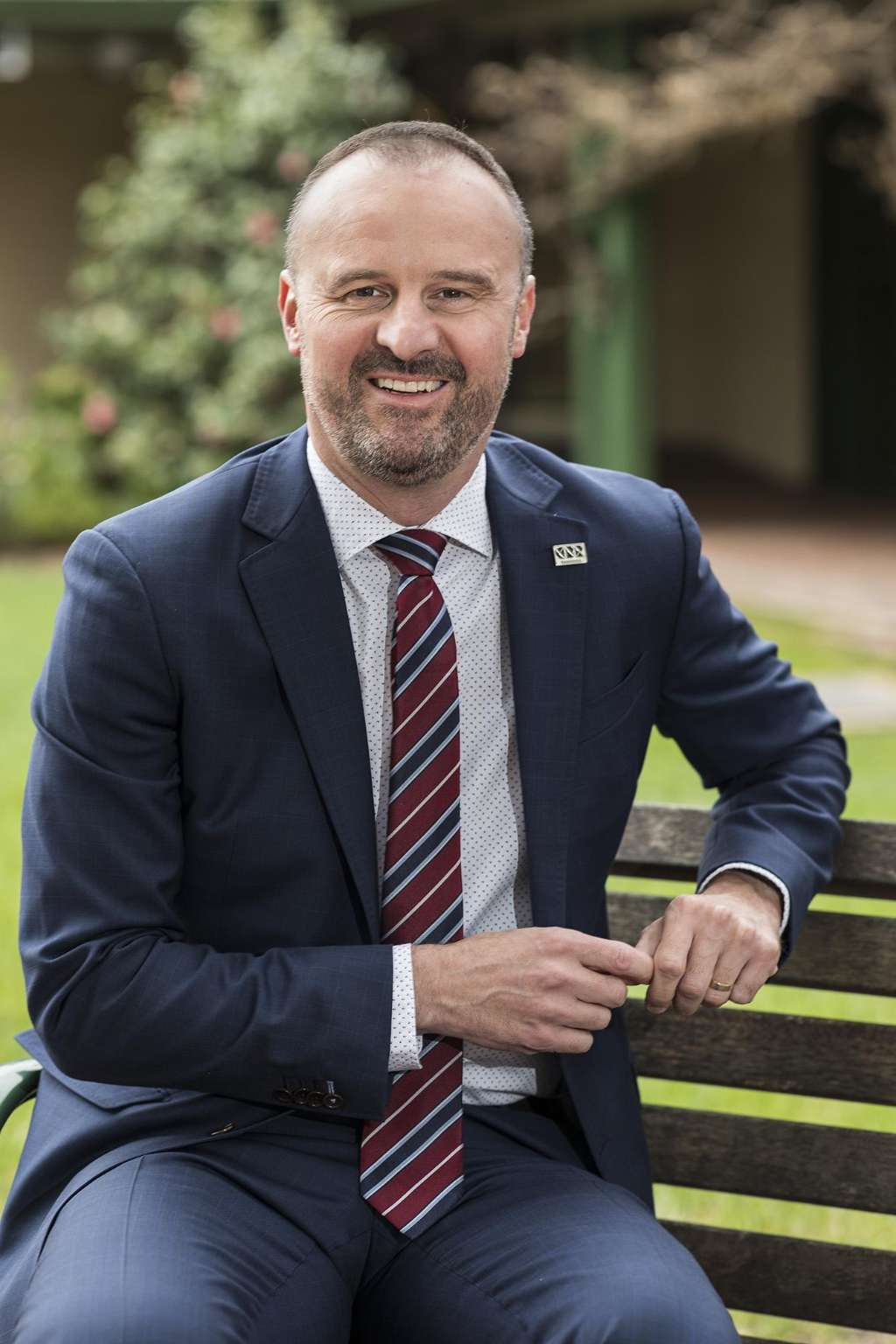
Andrew Barr Warns Social Cohesion Must Remain Priority as Cities Grow - Canberra, ACT
Smart summary
ACT Chief Minister Andrew Barr says Australia's rapidly expanding cities must focus on maintaining social cohesion and community connection alongside population growth, housing development and infrastructure investment.
ACT Chief Minister Andrew Barr has warned that governments must place greater emphasis on social cohesion as Australian cities continue to expand and become more diverse.
Speaking about the challenges facing growing urban centres, Barr argued that city planning should not focus solely on housing, transport and economic development. Instead, policymakers must also consider how communities remain connected and inclusive as populations increase.
Barr said population growth brings significant opportunities for economic activity, cultural diversity and innovation. However, he cautioned that without careful planning, rapid growth can place pressure on social connections and community wellbeing.
The Chief Minister highlighted the importance of creating neighbourhoods where residents can easily access services, public spaces, education facilities and employment opportunities. He said these factors play a critical role in fostering stronger communities and preventing social isolation.
According to Barr, social cohesion has become increasingly important as Australian cities experience population increases driven by migration, urban development and changing demographics. He noted that maintaining trust, inclusion and community engagement is essential for long-term prosperity.
The comments come as governments across Australia grapple with housing affordability challenges, infrastructure demands and the need to accommodate growing populations. Many cities are investing heavily in transport projects, new housing developments and urban renewal initiatives.
Barr argued that successful city planning should ensure residents from diverse backgrounds feel connected to their communities and have opportunities to participate in civic life. He said strong social cohesion contributes to economic resilience, public safety and overall quality of life.
The ACT Government has frequently promoted Canberra's approach to urban planning, which includes investment in public transport, green spaces, community facilities and mixed-use developments designed to encourage interaction between residents.
Barr also stressed the need for governments to consider the long-term impacts of urban growth rather than focusing exclusively on short-term infrastructure requirements. He said building communities where people feel a sense of belonging should be a central objective of future planning strategies.
Urban policy experts have increasingly identified social cohesion as an important factor in determining the success of growing cities. Research suggests communities with strong social connections often experience better health outcomes, greater civic participation and stronger economic performance.
As Australia's population continues to grow, Barr's comments add to broader discussions about how governments can balance development, affordability and infrastructure needs while ensuring communities remain inclusive and connected.
BarrSocialCommunitiesUrbanCities
ACT Chief Minister Andrew Barr has warned that governments must place greater emphasis on social cohesion as Australian cities continue to expand and become more diverse.
Speaking about the challenges facing growing urban centres, Barr argued that city planning should not focus solely on housing, transport and economic development. Instead, policymakers must also consider how communities remain connected and inclusive as populations increase.
Barr said population growth brings significant opportunities for economic activity, cultural diversity and innovation. However, he cautioned that without careful planning, rapid growth can place pressure on social connections and community wellbeing.
The Chief Minister highlighted the importance of creating neighbourhoods where residents can easily access services, public spaces, education facilities and employment opportunities. He said these factors play a critical role in fostering stronger communities and preventing social isolation.
According to Barr, social cohesion has become increasingly important as Australian cities experience population increases driven by migration, urban development and changing demographics. He noted that maintaining trust, inclusion and community engagement is essential for long-term prosperity.
The comments come as governments across Australia grapple with housing affordability challenges, infrastructure demands and the need to accommodate growing populations. Many cities are investing heavily in transport projects, new housing developments and urban renewal initiatives.
Barr argued that successful city planning should ensure residents from diverse backgrounds feel connected to their communities and have opportunities to participate in civic life. He said strong social cohesion contributes to economic resilience, public safety and overall quality of life.
The ACT Government has frequently promoted Canberra's approach to urban planning, which includes investment in public transport, green spaces, community facilities and mixed-use developments designed to encourage interaction between residents.
Barr also stressed the need for governments to consider the long-term impacts of urban growth rather than focusing exclusively on short-term infrastructure requirements. He said building communities where people feel a sense of belonging should be a central objective of future planning strategies.
Urban policy experts have increasingly identified social cohesion as an important factor in determining the success of growing cities. Research suggests communities with strong social connections often experience better health outcomes, greater civic participation and stronger economic performance.
As Australia's population continues to grow, Barr's comments add to broader discussions about how governments can balance development, affordability and infrastructure needs while ensuring communities remain inclusive and connected.
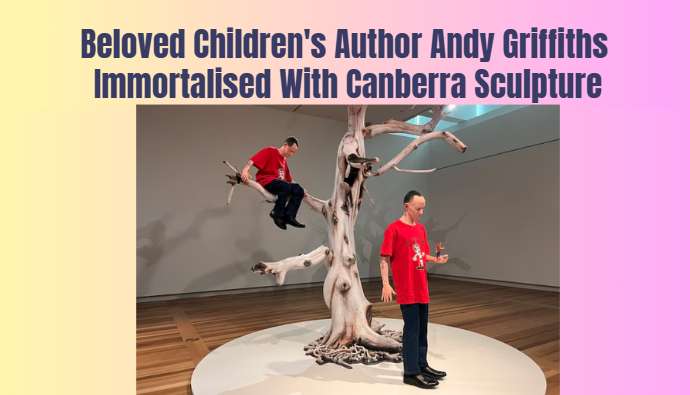
A four-metre-high 3D-printed sculpture celebrating Australian children's author Andy Griffiths has gone on display at Canberra's National Portrait Gallery.
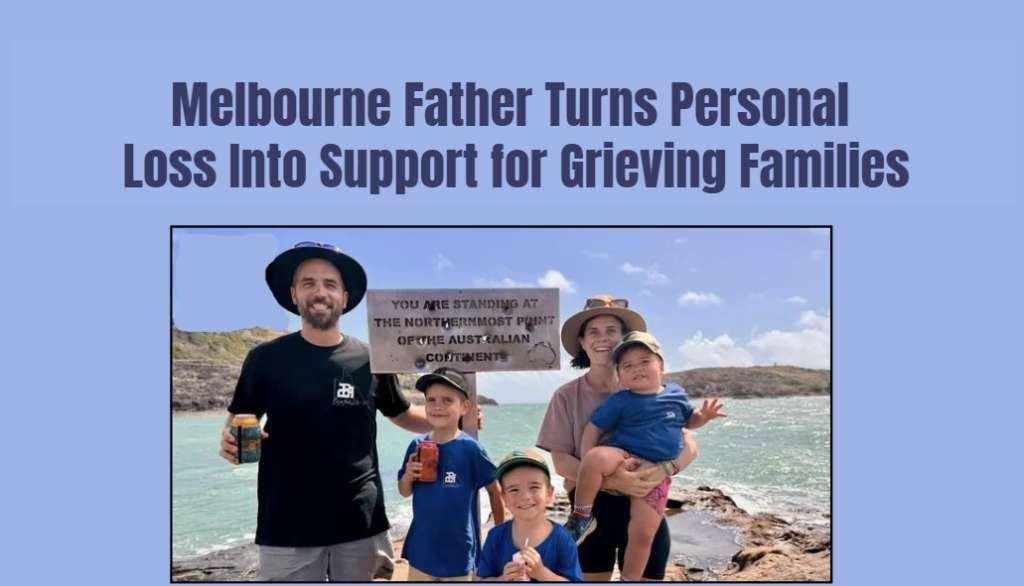
After losing two sons, Melbourne father Nick Olney has established a charity helping grieving parents preserve memories of their babies and access suppo...
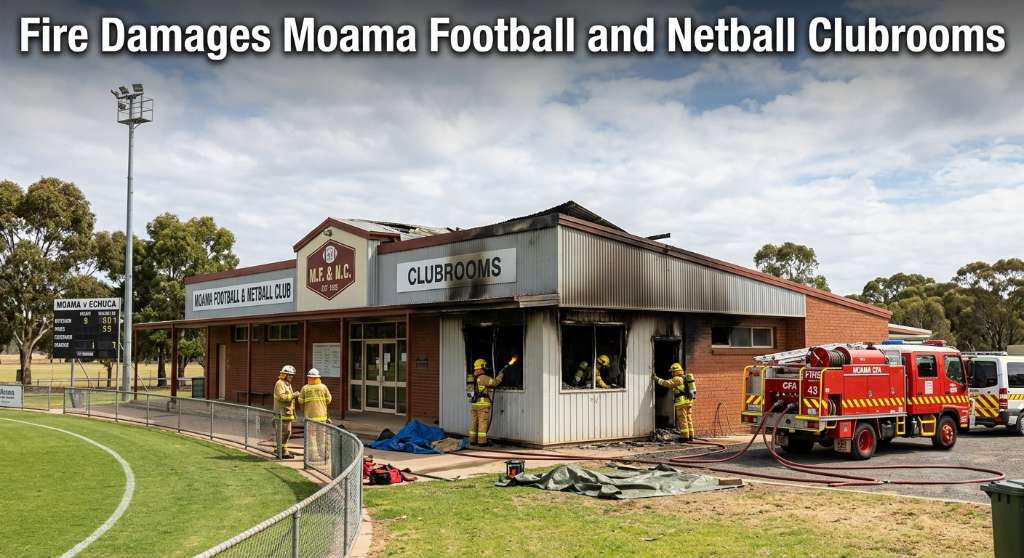
A fire damaged the Moama Football and Netball Club's social rooms during Saturday's grand final, forcing about 1,000 people to leave the building becaus...
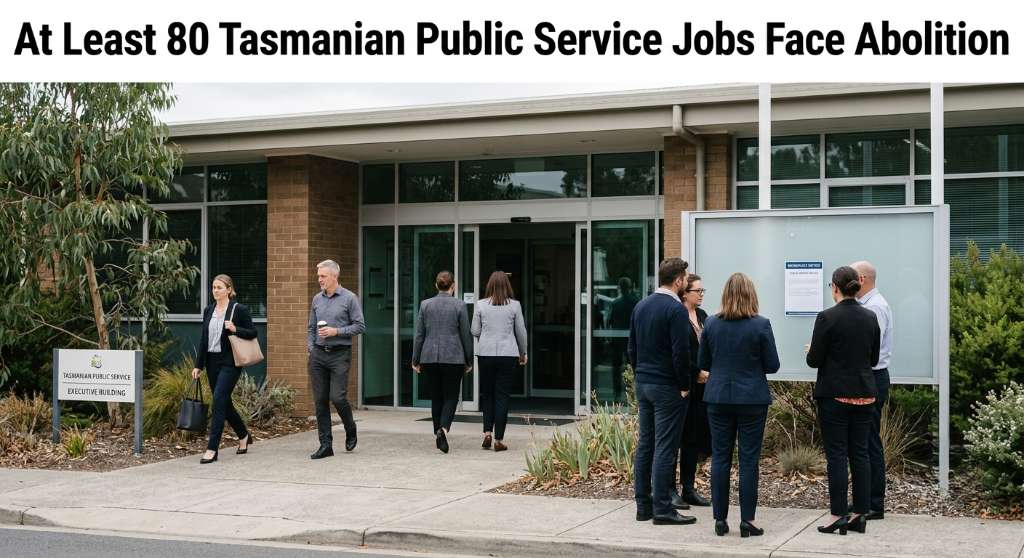
At least 80 positions have been identified for abolition as Tasmania restructures parts of its public service and works toward a broader reduction in go...
New evidence indicates autonomous Open AI agents attempted to access information from several Australian government and public-sector websites, expanding...
A four-metre-high 3D-printed sculpture celebrating Australian children's author Andy Griffiths has gone on display at Canberra's National Portrait Gallery.
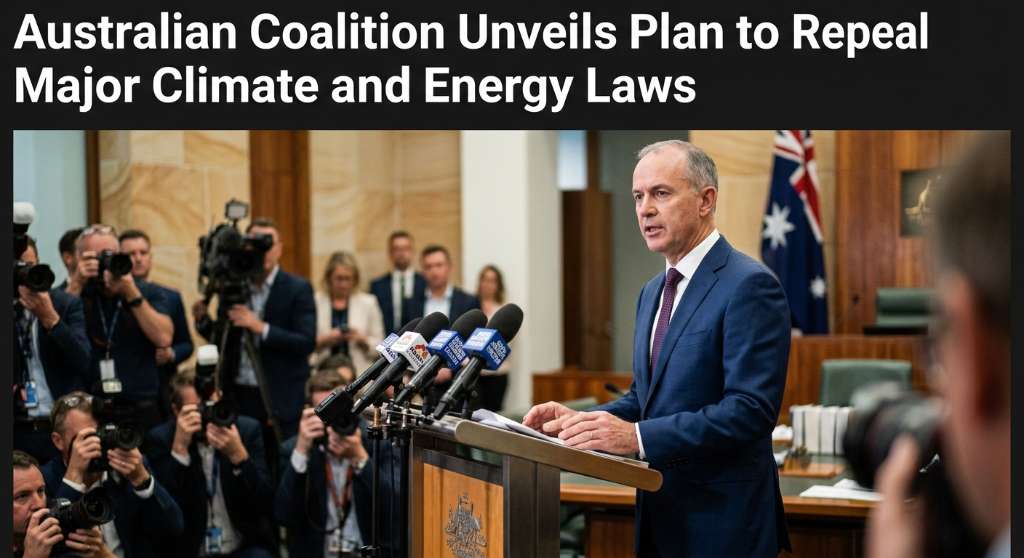
The federal Coalition has released an eight-point energy policy proposing changes to Australia's climate legislation, offshore wind zones, vehicle effic...
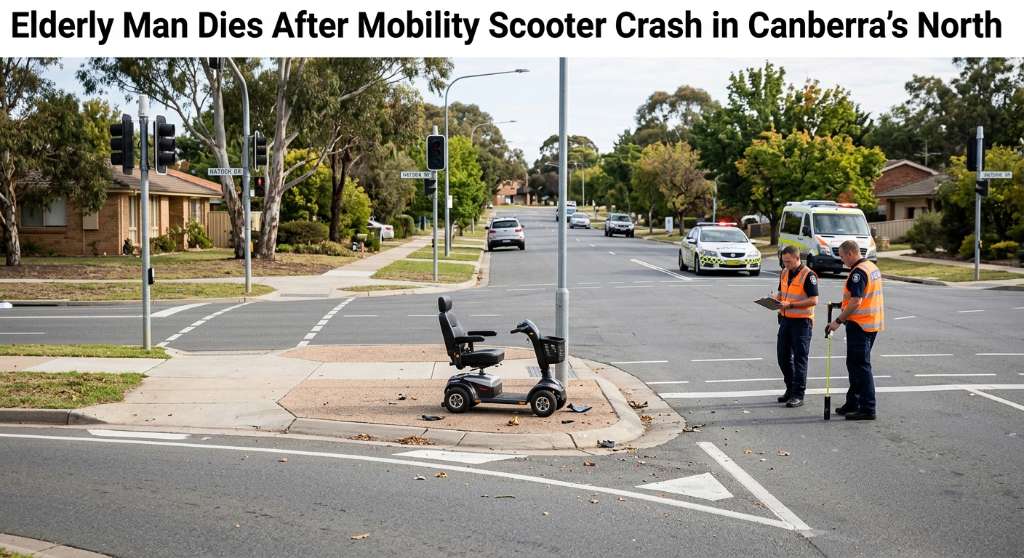
A 95-year-old man has died after a vehicle collided with his mobility scooter at an intersection in Bruce earlier this month, with investigators now exa...
A 50-year-old man has died after being struck by a vehicle in Fernvale, west of Brisbane, with police launching a homicide investigation and arresting a...
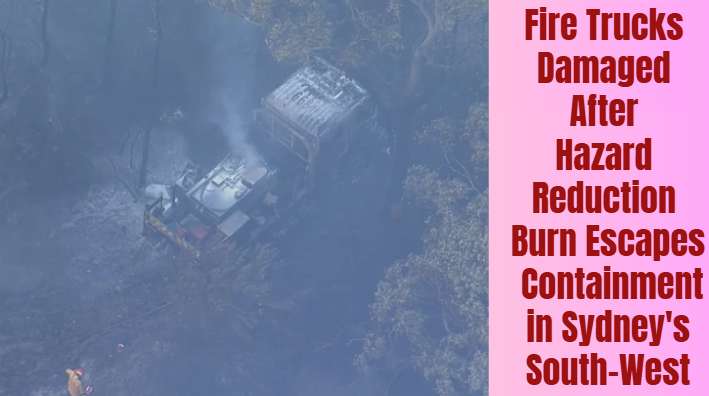
Multiple Rural Fire Service trucks were damaged after a planned hazard reduction burn at Wedderburn in Sydney's south-west escaped containment on Saturday.
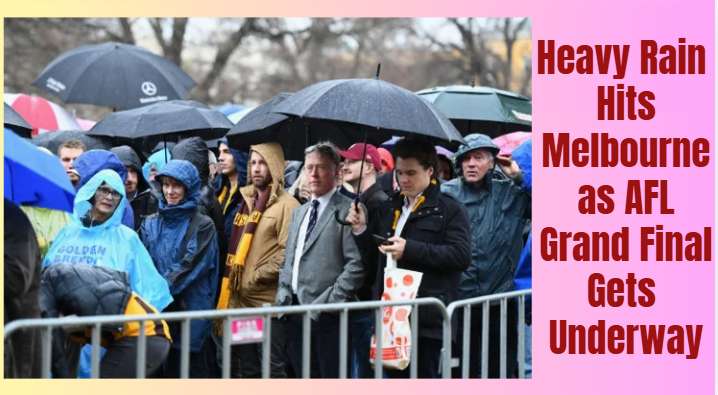
Wet conditions at the Melbourne Cricket Ground are creating difficult conditions for the AFL Grand Final, while poor weather has also disrupted flights...
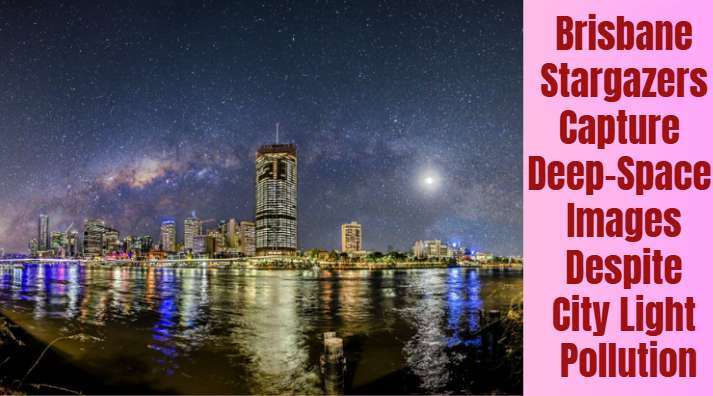
Amateur astronomers are using new telescope technology to photograph the Moon, planets and distant galaxies from Brisbane homes, showing that city skies...