Safety note: Admin approval is an initial review, not a guarantee that every detail is correct. Check important or urgent claims with official sources and report anything inaccurate or unsafe.
Source and credit: Contributor's own report
Australian Fertilizer Corporation Secures $2.4 Billion in Urea Sales Agreements Before Plant Construction - Gladstone, QLD
Smart summary
The Australian Fertilizer Corporation has secured decade-long agreements to sell the entire output of its planned Queensland urea plant, highlighting strong demand for locally produced fertiliser amid global supply co...
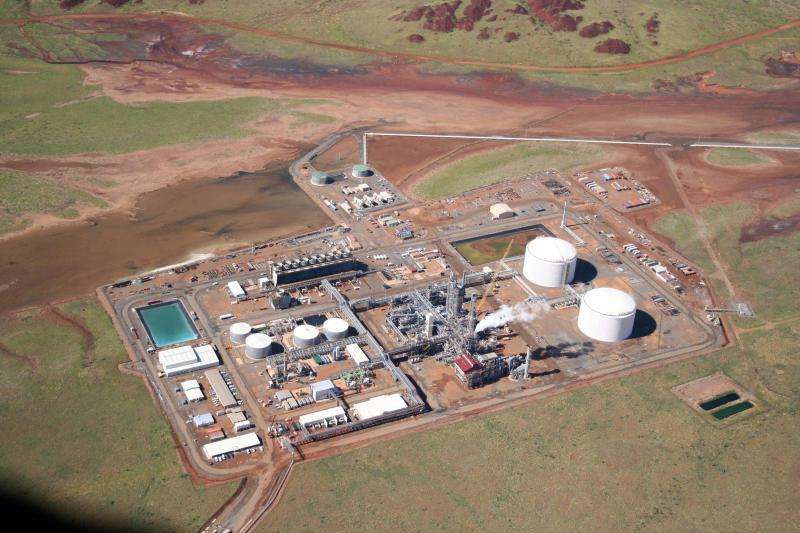
The Australian Fertilizer Corporation has secured agreements worth approximately $2.4 billion to sell all production from its proposed urea manufacturing facility in Central Queensland, despite the plant not yet being built. The company says customers have committed to purchasing the facility's full output for the next decade, demonstrating strong confidence in domestic fertiliser production.
The planned facility is expected to be constructed in Gladstone and would produce about 220,000 tonnes of urea annually. The project remains subject to financing, development approvals and construction milestones before production can begin.
Urea is the world's most widely used nitrogen fertiliser and is essential for Australian agriculture. It plays a critical role in boosting yields for crops such as wheat, barley, oats and vegetables. Farmers rely heavily on urea to maximise productivity and maintain crop quality.
The strong interest in the Gladstone project comes after major disruptions to global fertiliser supply chains caused by conflict in the Middle East. Australia imports most of its urea requirements, with supply traditionally sourced through international markets. Concerns about shipping routes and rising prices have increased interest in developing domestic manufacturing capacity.
Recent government and industry efforts have focused on securing fertiliser supplies for Australian farmers. Millions of tonnes of fertiliser have been imported since disruptions began, while additional shipments have been arranged through international agreements and government-backed initiatives.
Industry observers say the Australian Fertilizer Corporation's success in securing long-term sales contracts reflects growing concerns about fertiliser security and the importance of reducing reliance on overseas suppliers. Buyers appear willing to commit years in advance to guarantee future access to locally produced product.
The Gladstone proposal would also contribute to regional economic development through construction activity, long-term industrial jobs and additional manufacturing investment in Central Queensland. If completed, the facility would become part of a broader push to strengthen Australia's domestic fertiliser industry and improve national food security.
While financing and regulatory approvals remain key hurdles, the project's pre-sold production capacity provides a strong signal of market demand. Industry analysts note that domestic urea production could help shield Australian farmers from future international supply disruptions and price volatility.
The development comes at a time when fertiliser availability has become a major issue for agricultural producers worldwide, making local manufacturing increasingly attractive for both growers and investors.
FertiliserUreaProductionDomesticFacility
The Australian Fertilizer Corporation has secured agreements worth approximately $2.4 billion to sell all production from its proposed urea manufacturing facility in Central Queensland, despite the plant not yet being built. The company says customers have committed to purchasing the facility's full output for the next decade, demonstrating strong confidence in domestic fertiliser production.
The planned facility is expected to be constructed in Gladstone and would produce about 220,000 tonnes of urea annually. The project remains subject to financing, development approvals and construction milestones before production can begin.
Urea is the world's most widely used nitrogen fertiliser and is essential for Australian agriculture. It plays a critical role in boosting yields for crops such as wheat, barley, oats and vegetables. Farmers rely heavily on urea to maximise productivity and maintain crop quality.
The strong interest in the Gladstone project comes after major disruptions to global fertiliser supply chains caused by conflict in the Middle East. Australia imports most of its urea requirements, with supply traditionally sourced through international markets. Concerns about shipping routes and rising prices have increased interest in developing domestic manufacturing capacity.
Recent government and industry efforts have focused on securing fertiliser supplies for Australian farmers. Millions of tonnes of fertiliser have been imported since disruptions began, while additional shipments have been arranged through international agreements and government-backed initiatives.
Industry observers say the Australian Fertilizer Corporation's success in securing long-term sales contracts reflects growing concerns about fertiliser security and the importance of reducing reliance on overseas suppliers. Buyers appear willing to commit years in advance to guarantee future access to locally produced product.
The Gladstone proposal would also contribute to regional economic development through construction activity, long-term industrial jobs and additional manufacturing investment in Central Queensland. If completed, the facility would become part of a broader push to strengthen Australia's domestic fertiliser industry and improve national food security.
While financing and regulatory approvals remain key hurdles, the project's pre-sold production capacity provides a strong signal of market demand. Industry analysts note that domestic urea production could help shield Australian farmers from future international supply disruptions and price volatility.
The development comes at a time when fertiliser availability has become a major issue for agricultural producers worldwide, making local manufacturing increasingly attractive for both growers and investors.
Darwin Northern Territory · Other News · 01 Sep 2026
A scenic hike through Butterfly Gorge in the Northern Territory turned into a frightening experience when a buffalo charged at two hikers. ABC Darwin reported the story today, 1...
Coffs Harbour New South Wales · Other News · 01 Sep 2026
A Safe Work NSW inspection blitz across the Coffs Harbour region has uncovered dozens of workplace-safety issues in the horticulture industry. The operation followed concerns ab...
A major Queensland Government infrastructure investment is set to unlock thousands of new homes across the Fraser Coast, including projects in Maryborough.
A 55-year-old man has been charged after police allegedly seized more than $900,000 worth of drugs, firearms and about $50,000 in cash from a South Bris...
Darwin Northern Territory · Crime News · 18 Sep 2026
Northern Territory Police are appealing for information to help locate Lachlan Burgess, a Territory man reported missing in the Northern Territory.making it a current Darwin-are...
Darwin Northern Territory · Crime News · 18 Sep 2026
Northern Territory Police are investigating the death of a 28-year-old woman at a home in Malak, Darwin, with a 25-year-old man charged in connection with alleged assaults and b...
Central Coast New South Wales · Business News · 18 Sep 2026
More than 130 oyster-lease operators on the Central Coast are set to benefit from reforms announced by the NSW Government, with the changes designed to provide greater certainty...
Central Coast New South Wales · Crime News · 18 Sep 2026
A man has been charged following a police investigation into alleged detaining and assault offences on the Central Coast, according to a report published by Coast Community News...