Safety note: Admin approval is an initial review, not a guarantee that every detail is correct. Check important or urgent claims with official sources and report anything inaccurate or unsafe.
Source and credit: Contributor's own report
Smart summary
Australian artist Petrina Ryan-Kleid, whose satirical portrait of Bill Clinton became widely known after appearing in Jeffrey Epstein’s Manhattan home, has reunited with the Gold Coast collector who bought her very fi...
A remarkable Australian art story has emerged after the artist behind a controversial portrait connected to the Jeffrey Epstein files was reunited with the person who purchased her first-ever artwork decades earlier.
Petrina Ryan-Kleid, a Gold Coast-born artist, created the oil painting “Parsing Bill”, a satirical portrait of former US president Bill Clinton wearing a blue dress. The artwork later gained international attention after it was displayed inside Jeffrey Epstein’s Manhattan home and appeared in material released from the Epstein files.
However, years before her work became linked to a global controversy, Ryan-Kleid was simply a teenage artist looking for encouragement. In 1987, while studying in Year 12 on the Gold Coast, she sold her first painting to collector Terri Lew for $150.
Ryan-Kleid said the sale had a major impact on her confidence as a young artist. Coming from a difficult period in her life, the support from a stranger helped her believe that a future in art was possible.
Lew, who purchased the artwork, later became a long-term art collector and built a gallery collection on the Gold Coast. She kept the teenage artist’s first painting for almost four decades, often wondering who had created the work.
The two women were eventually reunited after social media and community connections helped identify Ryan-Kleid as the artist behind the piece. Their reunion revealed a story that began with a small act of support from an art buyer and grew into a lifelong connection between artist and collector.
After leaving Australia, Ryan-Kleid travelled to New York where she studied art and completed a Master of Fine Arts. She later developed a style focused on satirical portraits, including works featuring former US presidents such as Barack Obama and George W Bush.
Her 2012 portrait “Parsing Bill” was created as a satirical artwork and was later sold to Jeffrey Epstein. The painting became widely discussed after Epstein-related documents and images brought renewed attention to items found inside his properties.
The artist has said the renewed attention around the portrait was unexpected, but the reunion with Lew gave the artwork a different meaning — reminding her of the importance of early encouragement and support for young creatives.
For Lew, discovering the identity of the artist behind her first purchase was an emotional moment. She said the artwork represented the beginning of her own journey as an art collector and reflected the importance of recognising talent early.
The story highlights how art can carry unexpected histories. A painting that later became connected to a major international news story also represents a personal story of ambition, encouragement and a young artist receiving the confidence needed to continue creating.
The reunion between Ryan-Kleid and Lew serves as a reminder that behind famous artworks are often human stories — including the people who create them and those who believe in them before the world takes notice.
ArtistArtworkRyan-KleidBehindCollector
A remarkable Australian art story has emerged after the artist behind a controversial portrait connected to the Jeffrey Epstein files was reunited with the person who purchased her first-ever artwork decades earlier.
Petrina Ryan-Kleid, a Gold Coast-born artist, created the oil painting “Parsing Bill”, a satirical portrait of former US president Bill Clinton wearing a blue dress. The artwork later gained international attention after it was displayed inside Jeffrey Epstein’s Manhattan home and appeared in material released from the Epstein files.
However, years before her work became linked to a global controversy, Ryan-Kleid was simply a teenage artist looking for encouragement. In 1987, while studying in Year 12 on the Gold Coast, she sold her first painting to collector Terri Lew for $150.
Ryan-Kleid said the sale had a major impact on her confidence as a young artist. Coming from a difficult period in her life, the support from a stranger helped her believe that a future in art was possible.
Lew, who purchased the artwork, later became a long-term art collector and built a gallery collection on the Gold Coast. She kept the teenage artist’s first painting for almost four decades, often wondering who had created the work.
The two women were eventually reunited after social media and community connections helped identify Ryan-Kleid as the artist behind the piece. Their reunion revealed a story that began with a small act of support from an art buyer and grew into a lifelong connection between artist and collector.
After leaving Australia, Ryan-Kleid travelled to New York where she studied art and completed a Master of Fine Arts. She later developed a style focused on satirical portraits, including works featuring former US presidents such as Barack Obama and George W Bush.
Her 2012 portrait “Parsing Bill” was created as a satirical artwork and was later sold to Jeffrey Epstein. The painting became widely discussed after Epstein-related documents and images brought renewed attention to items found inside his properties.
The artist has said the renewed attention around the portrait was unexpected, but the reunion with Lew gave the artwork a different meaning — reminding her of the importance of early encouragement and support for young creatives.
For Lew, discovering the identity of the artist behind her first purchase was an emotional moment. She said the artwork represented the beginning of her own journey as an art collector and reflected the importance of recognising talent early.
The story highlights how art can carry unexpected histories. A painting that later became connected to a major international news story also represents a personal story of ambition, encouragement and a young artist receiving the confidence needed to continue creating.
The reunion between Ryan-Kleid and Lew serves as a reminder that behind famous artworks are often human stories — including the people who create them and those who believe in them before the world takes notice.
Darwin Northern Territory · Other News · 01 Sep 2026
A scenic hike through Butterfly Gorge in the Northern Territory turned into a frightening experience when a buffalo charged at two hikers. ABC Darwin reported the story today, 1...
Coffs Harbour New South Wales · Other News · 01 Sep 2026
A Safe Work NSW inspection blitz across the Coffs Harbour region has uncovered dozens of workplace-safety issues in the horticulture industry. The operation followed concerns ab...
A major Queensland Government infrastructure investment is set to unlock thousands of new homes across the Fraser Coast, including projects in Maryborough.
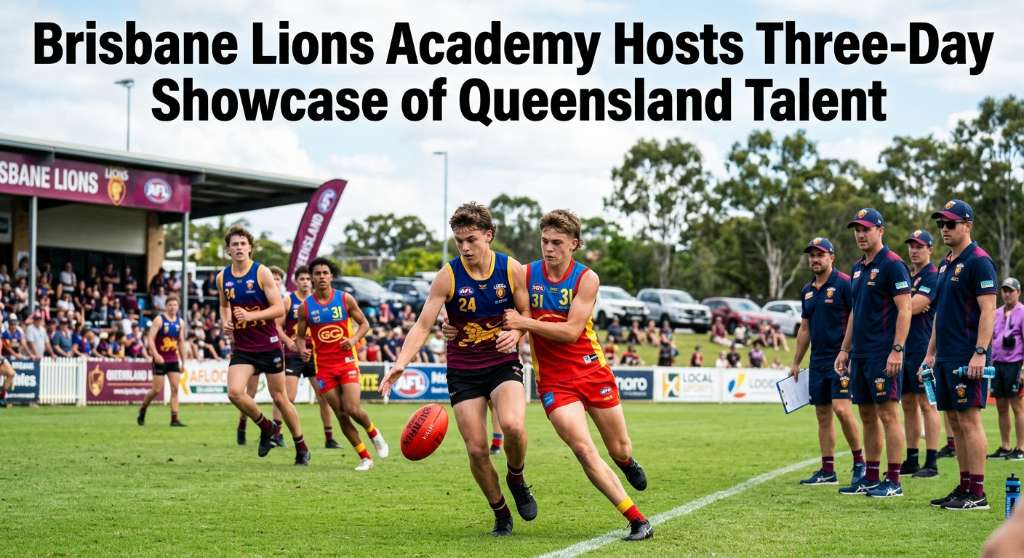
Queensland's emerging football prospects are coming together for a three-day Brisbane Lions State Academy showcase, giving young players an opportunity...
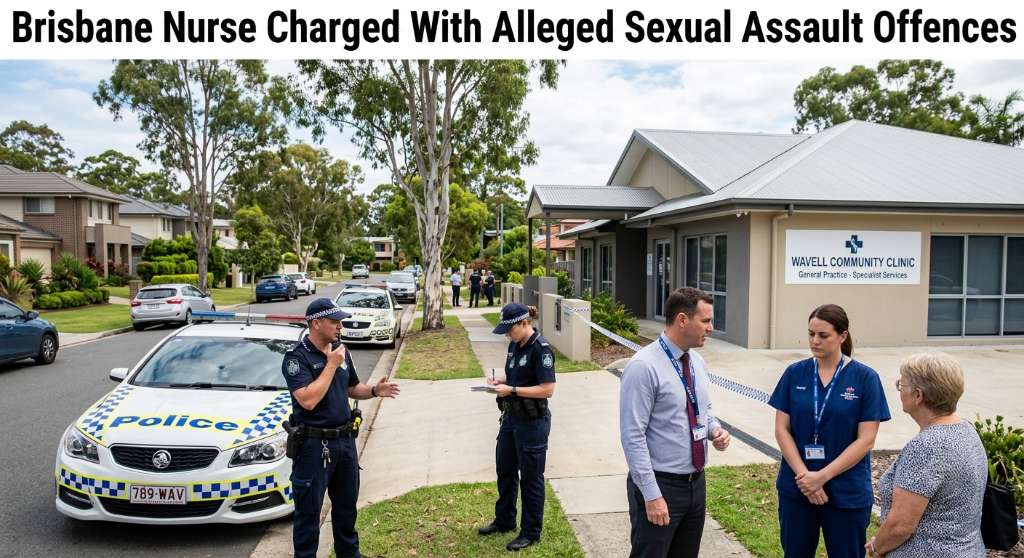
A Wavell Heights enrolled nurse has been charged with four counts of alleged sexual assault and one count of wilful exposure, with his professional regi...
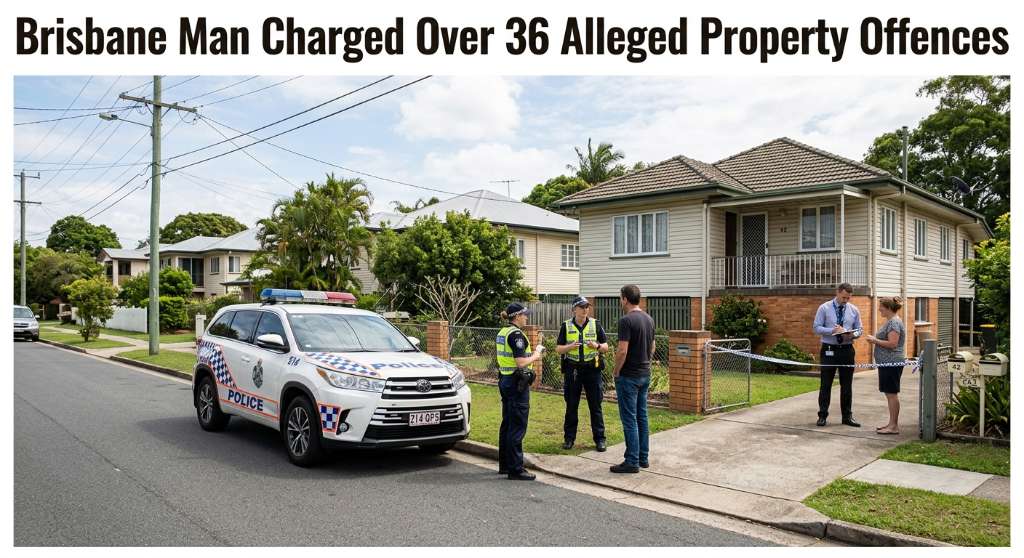
A 24-year-old Carina Heights man has been charged with 36 offences following an investigation into alleged break-ins, vehicle offences and other propert...
Cairns Regional Council has unanimously voted to seek $400,000 in Queensland Government funding for a program designed to connect local businesses with the region’s growing film...
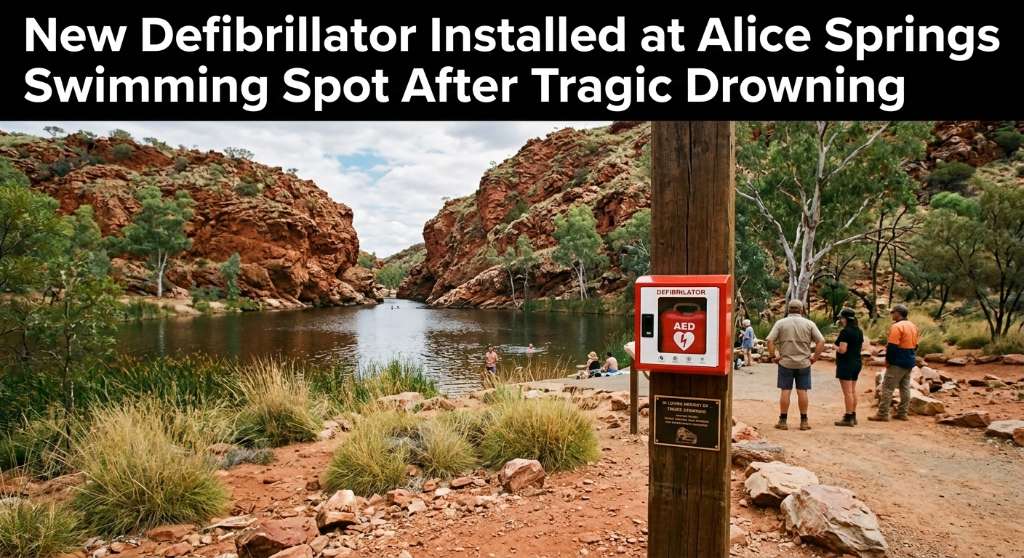
An automated external defibrillator and memorial plaque have been installed at Ellery Creek Big Hole following the death of disability advocate Ellen Fr...
Queensland firefighters spent several hours monitoring a significant grass fire at Mary Kinross Park in Bargara, near Bundaberg, after the blaze broke out on Wednesday evening....