Safety note: Admin approval is an initial review, not a guarantee that every detail is correct. Check important or urgent claims with official sources and report anything inaccurate or unsafe.
Source and credit: Contributor's own report
Hate-Fuelled Threats Against Politicians Trigger Wave of Arrests and Security Concerns - Canberra, ACT
Smart summary
Authorities are investigating a growing number of threats targeting politicians and public figures, with concerns rising over online abuse, intimidation and the impact on democratic participation.
A growing wave of threats, harassment and intimidation directed at politicians has sparked renewed concerns about public safety and the future of political debate.
Authorities have increased investigations into individuals accused of making serious threats against elected representatives and political figures, as security agencies warn that hostile online behaviour is increasingly moving into the real world.
The issue has gained international attention following several high-profile incidents involving threats against politicians. In one recent case, a man was arrested after allegedly making an online threat to shoot UK political figure Nigel Farage. Police investigated the social media post as part of broader concerns about threats targeting public figures.
Security experts say politicians, their staff and families are facing increasing levels of abuse, including threats of violence, harassment and intimidation. Reports suggest many public officials now consider security risks a normal part of political life, raising concerns about whether fear is discouraging people from entering politics or engaging openly with communities.
The rise of online platforms has made it easier for individuals to spread threatening messages quickly. Authorities say social media companies, law enforcement agencies and political organisations must work together to identify genuine threats while protecting lawful political discussion.
Experts distinguish between strong political disagreement and criminal threats. While public debate and criticism are fundamental parts of democracy, threats of violence and targeted harassment can create serious risks for individuals and communities.
Political leaders from across the spectrum have called for stronger action against people who use intimidation to silence opponents. They argue that democracy depends on people being able to participate without fear of violence or harassment.
However, civil rights advocates have also highlighted the importance of protecting freedom of expression and ensuring that enforcement measures are focused on genuine threats rather than legitimate political opinions.
The issue has become particularly challenging because online threats can come from anonymous accounts, making identification and investigation more complex. Police often require cooperation from technology companies to trace the source of threatening communications.
Community leaders say reducing political hatred requires more than increased security. They argue that improving public discussion, reducing misinformation and encouraging respectful disagreement are important steps in preventing further escalation.
The growing concern over threats against politicians reflects a broader global challenge: maintaining open democratic systems while protecting those who serve in public roles.
Authorities continue to investigate alleged threats and encourage people to report suspicious or dangerous behaviour. They stress that political disagreements should be resolved through debate, elections and lawful democratic processes rather than intimidation or violence.
ThreatsPoliticalPoliticiansSecurityConcerns
A growing wave of threats, harassment and intimidation directed at politicians has sparked renewed concerns about public safety and the future of political debate.
Authorities have increased investigations into individuals accused of making serious threats against elected representatives and political figures, as security agencies warn that hostile online behaviour is increasingly moving into the real world.
The issue has gained international attention following several high-profile incidents involving threats against politicians. In one recent case, a man was arrested after allegedly making an online threat to shoot UK political figure Nigel Farage. Police investigated the social media post as part of broader concerns about threats targeting public figures.
Security experts say politicians, their staff and families are facing increasing levels of abuse, including threats of violence, harassment and intimidation. Reports suggest many public officials now consider security risks a normal part of political life, raising concerns about whether fear is discouraging people from entering politics or engaging openly with communities.
The rise of online platforms has made it easier for individuals to spread threatening messages quickly. Authorities say social media companies, law enforcement agencies and political organisations must work together to identify genuine threats while protecting lawful political discussion.
Experts distinguish between strong political disagreement and criminal threats. While public debate and criticism are fundamental parts of democracy, threats of violence and targeted harassment can create serious risks for individuals and communities.
Political leaders from across the spectrum have called for stronger action against people who use intimidation to silence opponents. They argue that democracy depends on people being able to participate without fear of violence or harassment.
However, civil rights advocates have also highlighted the importance of protecting freedom of expression and ensuring that enforcement measures are focused on genuine threats rather than legitimate political opinions.
The issue has become particularly challenging because online threats can come from anonymous accounts, making identification and investigation more complex. Police often require cooperation from technology companies to trace the source of threatening communications.
Community leaders say reducing political hatred requires more than increased security. They argue that improving public discussion, reducing misinformation and encouraging respectful disagreement are important steps in preventing further escalation.
The growing concern over threats against politicians reflects a broader global challenge: maintaining open democratic systems while protecting those who serve in public roles.
Authorities continue to investigate alleged threats and encourage people to report suspicious or dangerous behaviour. They stress that political disagreements should be resolved through debate, elections and lawful democratic processes rather than intimidation or violence.
The Federal Government is preparing new measures targeting temporary visas, visa overstayers, international students and visa-hopping, while maintaining...
One Nation’s proposed major reduction in migration has triggered warnings that a sharp cut to population growth could weaken Australia’s economy and cre...
The Federal Government is preparing new measures targeting temporary visas, visa overstayers, international students and visa-hopping, while maintaining...
One Nation’s proposed major reduction in migration has triggered warnings that a sharp cut to population growth could weaken Australia’s economy and cre...
A Canberra woman has become the first person in the ACT whose death has been linked to a highly potent synthetic opioid, prompting renewed concern about...
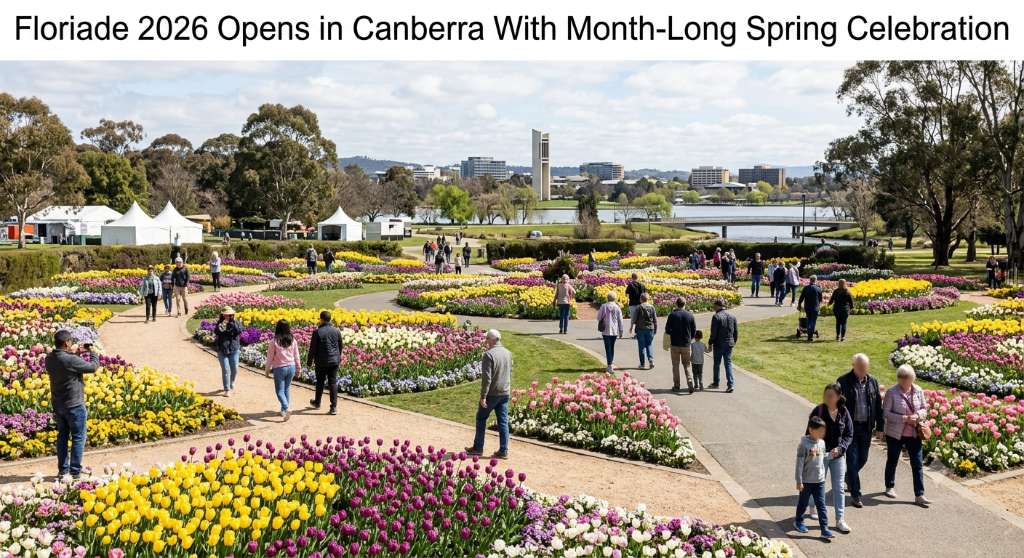
Canberra’s Commonwealth Park has welcomed visitors for the annual Floriade festival, bringing flowers, entertainment and spring activities to the city.
Cairns Regional Council has unanimously voted to seek $400,000 in Queensland Government funding for a program designed to connect local businesses with the region’s growing film...
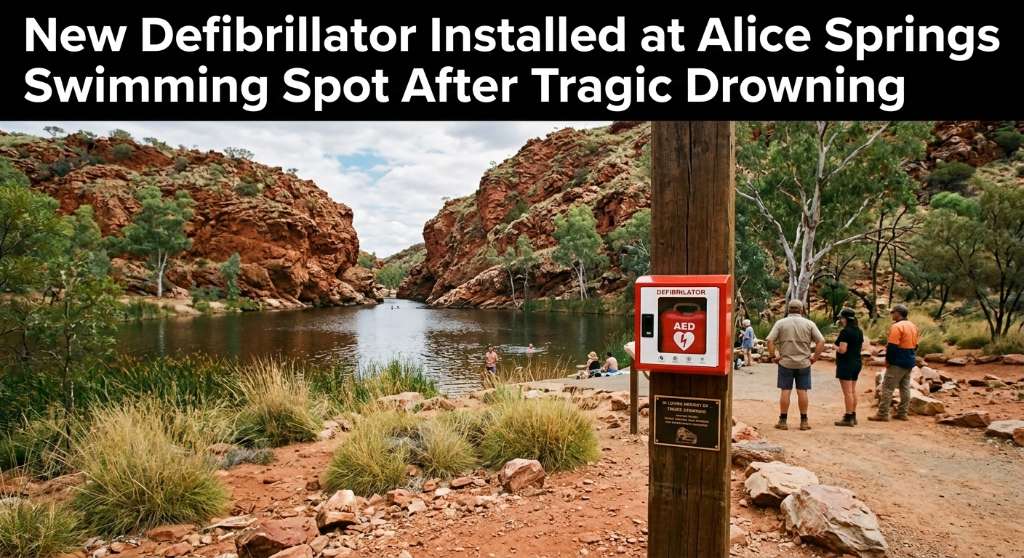
An automated external defibrillator and memorial plaque have been installed at Ellery Creek Big Hole following the death of disability advocate Ellen Fr...
Queensland firefighters spent several hours monitoring a significant grass fire at Mary Kinross Park in Bargara, near Bundaberg, after the blaze broke out on Wednesday evening....