Safety note: Admin approval is an initial review, not a guarantee that every detail is correct. Check important or urgent claims with official sources and report anything inaccurate or unsafe.
Source and credit: Contributor's own report
Rebel MP Calls for Coal Royalty Changes, Creating Political Divide in Queensland - Bowen, QLD
Smart summary
Katter's Australian Party leader Robbie Katter has pledged to push for changes to Queensland's coal royalty system, arguing the current rates are discouraging investment and affecting regional mining communities.
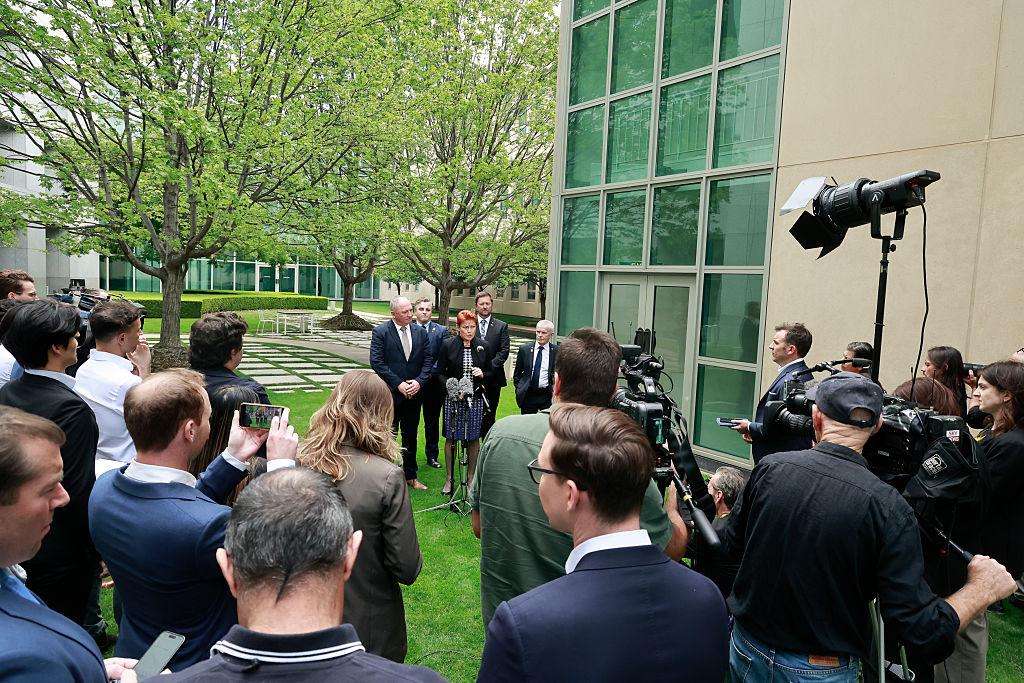
Queensland's debate over coal royalties has intensified after Katter's Australian Party (KAP) leader Robbie Katter vowed to campaign for changes to the state's current royalty system, creating fresh political pressure on the Crisafulli Government. The Traeger MP argues that while mining companies should continue paying royalties to Queenslanders, the current royalty rates are too high and risk discouraging future investment in one of the state's most important industries.
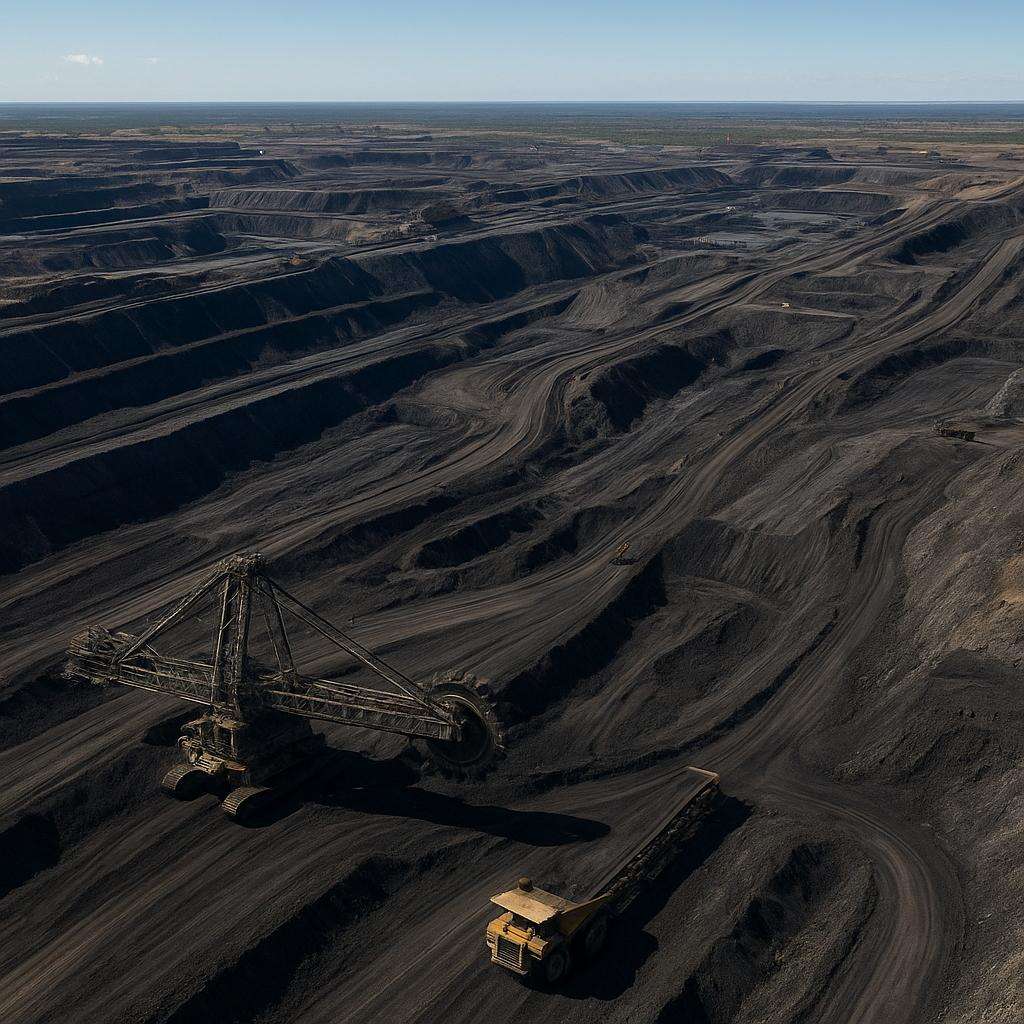
Coal mining remains a major contributor to Queensland's economy, particularly in regional areas such as Mackay, Isaac, Central Highlands and the Bowen Basin. The industry supports thousands of direct and indirect jobs while generating billions of dollars in export revenue each year. Royalties collected from mining companies also provide significant funding for public services, infrastructure, hospitals, schools and community projects across Queensland.
Robbie Katter said the royalty structure introduced by the previous Labor Government and retained by the current Liberal National Party Government represents an "extreme overreach." Although he supports the concept of coal royalties, he believes the current system reduces Queensland's competitiveness and discourages companies from committing to new mining developments. He has indicated he will bring proposals before Parliament to encourage broader debate on the issue, although he has not specified what royalty rate he would prefer.
Katter pointed to recent developments within the mining sector, including the sale of Anglo American's Queensland steelmaking coal assets, as evidence that investor confidence is being challenged. He argued that Queensland must remain attractive for long-term mining investment if regional economies are to continue growing and creating employment opportunities.
Industry representatives have echoed some of these concerns. Resource Industry Network General Manager Dean Kirkwood said uncertainty surrounding investment is beginning to affect regional communities. According to industry leaders, reduced investment does not only impact mining companies but also contractors, transport operators, engineering firms, hospitality businesses, sporting clubs, charities and local economies that depend heavily on the resources sector.
Despite the criticism, the Queensland Government has reaffirmed its commitment to maintaining the existing royalty framework. Housing Minister Sam O'Connor said the government remains focused on balancing support for the mining industry with ensuring Queenslanders receive a fair return from the state's natural resources. Natural Resources and Mines Minister Dale Last also stated that Queensland remains "open for business" and confirmed there are currently no plans to change the state's coal royalty system.
Regional leaders continue to emphasise the importance of mining to local economies. Mackay Mayor Greg Williamson has previously noted that approximately half of the Mackay region's economic output is linked to the resources sector. Industry groups have also warned that uncertainty surrounding royalties could contribute to lower business investment and reduced economic activity in mining communities.
The issue is expected to remain a key political and economic debate throughout 2026, with supporters arguing that lower royalties could encourage investment and job creation, while others maintain that current royalty revenues are essential for funding public services across Queensland. As Parliament prepares to consider future policy proposals, coal royalties are likely to remain one of the state's most closely watched economic issues.
MiningQueenslandRoyaltyCoalRoyalties
Queensland's debate over coal royalties has intensified after Katter's Australian Party (KAP) leader Robbie Katter vowed to campaign for changes to the state's current royalty system, creating fresh political pressure on the Crisafulli Government. The Traeger MP argues that while mining companies should continue paying royalties to Queenslanders, the current royalty rates are too high and risk discouraging future investment in one of the state's most important industries.
Coal mining remains a major contributor to Queensland's economy, particularly in regional areas such as Mackay, Isaac, Central Highlands and the Bowen Basin. The industry supports thousands of direct and indirect jobs while generating billions of dollars in export revenue each year. Royalties collected from mining companies also provide significant funding for public services, infrastructure, hospitals, schools and community projects across Queensland.
Robbie Katter said the royalty structure introduced by the previous Labor Government and retained by the current Liberal National Party Government represents an "extreme overreach." Although he supports the concept of coal royalties, he believes the current system reduces Queensland's competitiveness and discourages companies from committing to new mining developments. He has indicated he will bring proposals before Parliament to encourage broader debate on the issue, although he has not specified what royalty rate he would prefer.
Katter pointed to recent developments within the mining sector, including the sale of Anglo American's Queensland steelmaking coal assets, as evidence that investor confidence is being challenged. He argued that Queensland must remain attractive for long-term mining investment if regional economies are to continue growing and creating employment opportunities.
Industry representatives have echoed some of these concerns. Resource Industry Network General Manager Dean Kirkwood said uncertainty surrounding investment is beginning to affect regional communities. According to industry leaders, reduced investment does not only impact mining companies but also contractors, transport operators, engineering firms, hospitality businesses, sporting clubs, charities and local economies that depend heavily on the resources sector.
Despite the criticism, the Queensland Government has reaffirmed its commitment to maintaining the existing royalty framework. Housing Minister Sam O'Connor said the government remains focused on balancing support for the mining industry with ensuring Queenslanders receive a fair return from the state's natural resources. Natural Resources and Mines Minister Dale Last also stated that Queensland remains "open for business" and confirmed there are currently no plans to change the state's coal royalty system.
Regional leaders continue to emphasise the importance of mining to local economies. Mackay Mayor Greg Williamson has previously noted that approximately half of the Mackay region's economic output is linked to the resources sector. Industry groups have also warned that uncertainty surrounding royalties could contribute to lower business investment and reduced economic activity in mining communities.
The issue is expected to remain a key political and economic debate throughout 2026, with supporters arguing that lower royalties could encourage investment and job creation, while others maintain that current royalty revenues are essential for funding public services across Queensland. As Parliament prepares to consider future policy proposals, coal royalties are likely to remain one of the state's most closely watched economic issues.
The Federal Government is preparing new measures targeting temporary visas, visa overstayers, international students and visa-hopping, while maintaining...
One Nation’s proposed major reduction in migration has triggered warnings that a sharp cut to population growth could weaken Australia’s economy and cre...
Queensland's emerging football prospects are coming together for a three-day Brisbane Lions State Academy showcase, giving young players an opportunity...
A Wavell Heights enrolled nurse has been charged with four counts of alleged sexual assault and one count of wilful exposure, with his professional regi...
A 24-year-old Carina Heights man has been charged with 36 offences following an investigation into alleged break-ins, vehicle offences and other propert...
Cairns Regional Council has unanimously voted to seek $400,000 in Queensland Government funding for a program designed to connect local businesses with the region’s growing film...
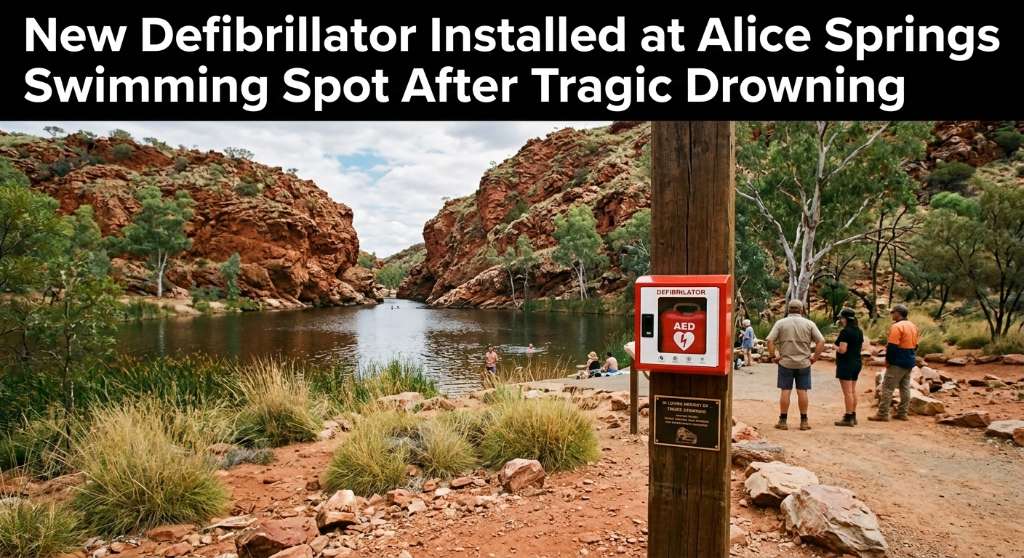
An automated external defibrillator and memorial plaque have been installed at Ellery Creek Big Hole following the death of disability advocate Ellen Fr...
Queensland firefighters spent several hours monitoring a significant grass fire at Mary Kinross Park in Bargara, near Bundaberg, after the blaze broke out on Wednesday evening....