Safety note: Admin approval is an initial review, not a guarantee that every detail is correct. Check important or urgent claims with official sources and report anything inaccurate or unsafe.
Source and credit: Contributor's own report
Winter Storms Bring Thousands of Seashells Back to Albany’s Middleton Beach - Albany, WA
Smart summary
Shell collectors in Albany are celebrating the return of an abundance of seashells to Middleton Beach after winter weather and ocean conditions created a rare coastal display. Scientists, however, are reminding visito...
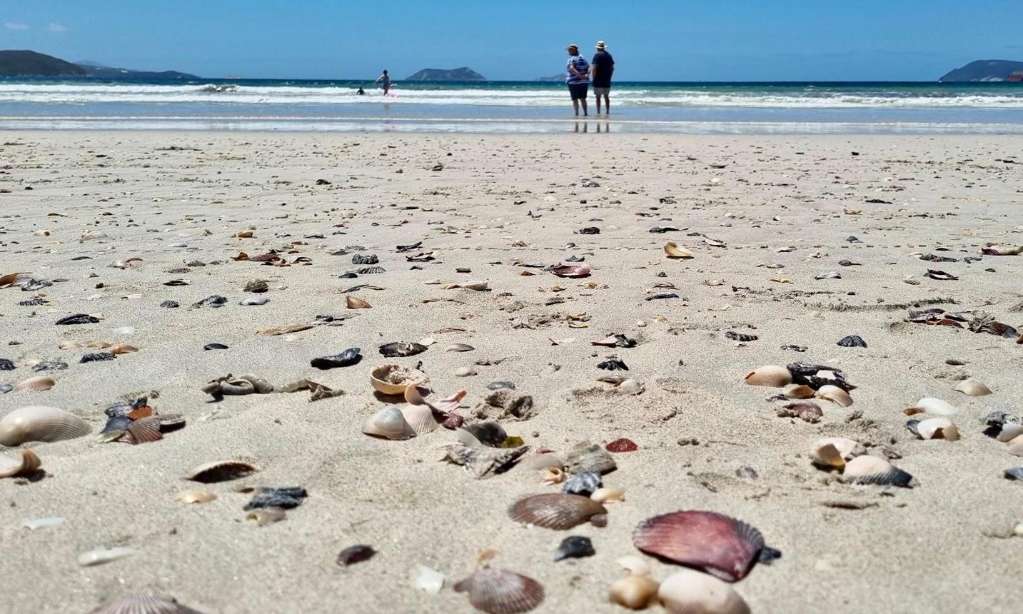
A spectacular return of seashells along Middleton Beach in Albany, Western Australia, has delighted local collectors and beach visitors after winter storms created large deposits of shells along the coastline.
For many Albany residents, shell collecting is a family tradition. Local collector Sherie Van Burgel said her family regularly visits beaches after major storms to search for unique shells, turning the activity into a way for children to connect with the ocean and local environment.
The southern coastline of Western Australia is known for its remarkable marine diversity, with many shell species found only in the region. Marine scientists say the area’s unique ocean currents and nutrient-rich coastal environment help support a wide variety of molluscs and other marine creatures.
Marine biologist Tim Langlois explained that Western Australia’s south coast contains many unusual shell varieties, including rare discoveries such as paper nautilus shells and other specialised marine structures. Researchers believe there may still be many undiscovered species living in these waters.
The recent shell return follows a major winter storm event that changed the coastline and brought large quantities of shells onto the beach. While some collectors were excited by the discovery, scientists reminded visitors that seashells are not just decorations — they are part of a living coastal system.
Environmental experts say shells provide important benefits for nature. They can become homes for marine animals such as hermit crabs, provide shelter for small organisms and contribute minerals back into coastal environments as they naturally break down.
Western Australia has rules limiting shell collection, with most species subject to a daily collection limit outside marine parks. Authorities say these restrictions help protect coastal ecosystems while still allowing people to enjoy responsible beach activities.
Environmental scientist Nathan English encouraged visitors to enjoy shells at the beach without removing large numbers. He suggested taking photographs, making drawings or enjoying the shells temporarily before leaving them where they belong.
For local families, however, shell collecting remains a meaningful connection with nature. Many visitors say finding shells after storms provides an opportunity to explore the coastline, learn about marine life and create memories with children.
Albany’s Middleton Beach continues to attract locals and tourists because of its natural beauty, coastal views and unique marine environment. The return of seashells has highlighted both the wonder of natural events and the importance of protecting fragile beach ecosystems.
Authorities and scientists are encouraging visitors to enjoy the coastline responsibly by following collection limits and helping preserve the natural environment for future generations.
MarineBeachShellsShellCoastal
A spectacular return of seashells along Middleton Beach in Albany, Western Australia, has delighted local collectors and beach visitors after winter storms created large deposits of shells along the coastline.
For many Albany residents, shell collecting is a family tradition. Local collector Sherie Van Burgel said her family regularly visits beaches after major storms to search for unique shells, turning the activity into a way for children to connect with the ocean and local environment.
The southern coastline of Western Australia is known for its remarkable marine diversity, with many shell species found only in the region. Marine scientists say the area’s unique ocean currents and nutrient-rich coastal environment help support a wide variety of molluscs and other marine creatures.
Marine biologist Tim Langlois explained that Western Australia’s south coast contains many unusual shell varieties, including rare discoveries such as paper nautilus shells and other specialised marine structures. Researchers believe there may still be many undiscovered species living in these waters.
The recent shell return follows a major winter storm event that changed the coastline and brought large quantities of shells onto the beach. While some collectors were excited by the discovery, scientists reminded visitors that seashells are not just decorations — they are part of a living coastal system.
Environmental experts say shells provide important benefits for nature. They can become homes for marine animals such as hermit crabs, provide shelter for small organisms and contribute minerals back into coastal environments as they naturally break down.
Western Australia has rules limiting shell collection, with most species subject to a daily collection limit outside marine parks. Authorities say these restrictions help protect coastal ecosystems while still allowing people to enjoy responsible beach activities.
Environmental scientist Nathan English encouraged visitors to enjoy shells at the beach without removing large numbers. He suggested taking photographs, making drawings or enjoying the shells temporarily before leaving them where they belong.
For local families, however, shell collecting remains a meaningful connection with nature. Many visitors say finding shells after storms provides an opportunity to explore the coastline, learn about marine life and create memories with children.
Albany’s Middleton Beach continues to attract locals and tourists because of its natural beauty, coastal views and unique marine environment. The return of seashells has highlighted both the wonder of natural events and the importance of protecting fragile beach ecosystems.
Authorities and scientists are encouraging visitors to enjoy the coastline responsibly by following collection limits and helping preserve the natural environment for future generations.
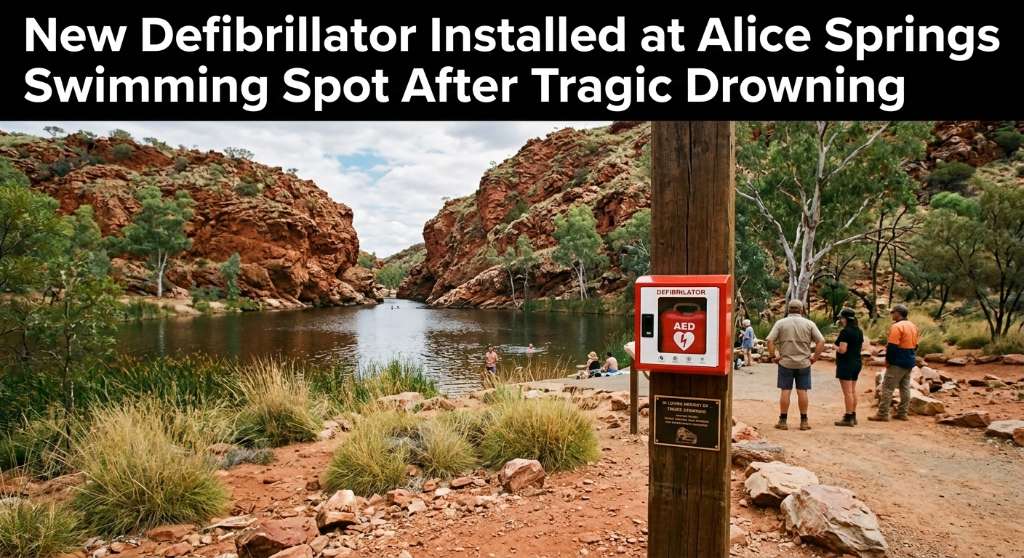
An automated external defibrillator and memorial plaque have been installed at Ellery Creek Big Hole following the death of disability advocate Ellen Fr...
Bathurst New South Wales · Community News · 17 Sep 2026
Kerry “Pecky” Peck, a long-standing Bathurst radio personality, has been inducted into the Bathurst Business Hall of Fame in recognition of his extensive contribution to the loc...
A new specialist family-violence support model has been introduced in Ballarat, with dedicated workers now embedded alongside Victoria Police to help people experiencing family...
Orange New South Wales · Community News · 17 Sep 2026
Orange City Council has elected a new Deputy Mayor for the next two years, with the decision announced today, 17 September 2026. The council said the election took place during...
Two teenagers have appeared in a Perth court after allegedly breaking into a crocodile enclosure and attacking the 400-kilogram reptile with a metal pole.
Cairns Regional Council has unanimously voted to seek $400,000 in Queensland Government funding for a program designed to connect local businesses with the region’s growing film...
An automated external defibrillator and memorial plaque have been installed at Ellery Creek Big Hole following the death of disability advocate Ellen Fr...
Queensland firefighters spent several hours monitoring a significant grass fire at Mary Kinross Park in Bargara, near Bundaberg, after the blaze broke out on Wednesday evening....