Safety note: Admin approval is an initial review, not a guarantee that every detail is correct. Check important or urgent claims with official sources and report anything inaccurate or unsafe.
Source and credit: Contributor's own report
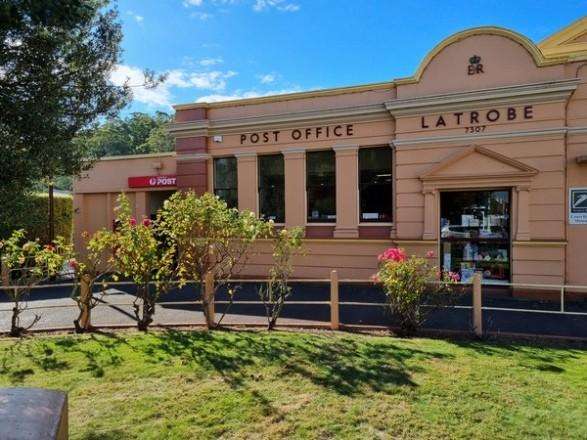
Rural Communities Fear Post Office Closures Could Cut Vital Local Services - Launceston, TAS
Smart summary
Regional leaders are warning that changes to Australia Post’s network could put small-town post offices at risk, with concerns that rural communities may lose essential services, banking access and an important commun...
Residents and regional advocates are raising concerns about the future of rural post offices, warning that potential changes to Australia Post’s network could have a major impact on small communities across Australia.
The concerns follow reports of plans to restructure parts of the Licensed Post Office (LPO) network, with critics claiming some regional post offices could be downgraded, relocated or replaced by alternative service models such as parcel agents or lockers.
Federal and regional representatives have argued that local post offices provide far more than postal services. In many rural towns, the post office acts as a central hub where residents access mail services, banking support, government-related services and social connections.
Annette Dawes, a regional advocate, has warned that closing or reducing services at rural post offices could leave vulnerable residents, particularly older Australians, facing greater challenges accessing essential services. Many small communities rely on their local post office because alternative services may require travelling long distances.
The debate comes after claims that Australia Post is considering changes under a program referred to as “Licensed Post Office Reimagined”. According to critics, the proposed changes could involve converting some traditional post offices into smaller service points or moving services into other businesses such as pharmacies, newsagents or convenience stores.
Supporters of reform argue Australia Post needs to modernise as customer behaviour changes, with more Australians using digital communication and online parcel services. They say adjustments may be necessary to ensure the postal network remains financially sustainable while continuing to provide access across the country.
However, rural community groups say financial considerations should not overlook the social importance of local post offices. They argue that a post office closure can reduce foot traffic for other nearby businesses and weaken the connection between residents in smaller towns.
The issue has gained political attention, with calls for greater transparency from Australia Post and the federal government. The Coalition has pushed for a Senate inquiry into the future of the LPO network, arguing that regional communities deserve clarity about any planned changes.
Regional representatives have highlighted that many rural towns already face declining access to services, including banking facilities, healthcare and transport. They say removing or reducing post office services could increase isolation for residents who depend on local facilities.
Australia Post has previously stated that it continues to adapt its network to changing customer needs while maintaining its community service obligations. The organisation faces the challenge of balancing operational costs with the need to provide reliable services across metropolitan, regional and remote areas.
For many rural Australians, the concern is not only about sending letters or collecting parcels. Local post offices represent a familiar face, a trusted service point and a place where communities connect.
As discussions continue around the future of Australia’s postal network, regional residents are calling for any changes to consider the unique needs of small towns and ensure essential services remain accessible.
PostServicesRegionalOfficeOffices
Residents and regional advocates are raising concerns about the future of rural post offices, warning that potential changes to Australia Post’s network could have a major impact on small communities across Australia.
The concerns follow reports of plans to restructure parts of the Licensed Post Office (LPO) network, with critics claiming some regional post offices could be downgraded, relocated or replaced by alternative service models such as parcel agents or lockers.
Federal and regional representatives have argued that local post offices provide far more than postal services. In many rural towns, the post office acts as a central hub where residents access mail services, banking support, government-related services and social connections.
Annette Dawes, a regional advocate, has warned that closing or reducing services at rural post offices could leave vulnerable residents, particularly older Australians, facing greater challenges accessing essential services. Many small communities rely on their local post office because alternative services may require travelling long distances.
The debate comes after claims that Australia Post is considering changes under a program referred to as “Licensed Post Office Reimagined”. According to critics, the proposed changes could involve converting some traditional post offices into smaller service points or moving services into other businesses such as pharmacies, newsagents or convenience stores.
Supporters of reform argue Australia Post needs to modernise as customer behaviour changes, with more Australians using digital communication and online parcel services. They say adjustments may be necessary to ensure the postal network remains financially sustainable while continuing to provide access across the country.
However, rural community groups say financial considerations should not overlook the social importance of local post offices. They argue that a post office closure can reduce foot traffic for other nearby businesses and weaken the connection between residents in smaller towns.
The issue has gained political attention, with calls for greater transparency from Australia Post and the federal government. The Coalition has pushed for a Senate inquiry into the future of the LPO network, arguing that regional communities deserve clarity about any planned changes.
Regional representatives have highlighted that many rural towns already face declining access to services, including banking facilities, healthcare and transport. They say removing or reducing post office services could increase isolation for residents who depend on local facilities.
Australia Post has previously stated that it continues to adapt its network to changing customer needs while maintaining its community service obligations. The organisation faces the challenge of balancing operational costs with the need to provide reliable services across metropolitan, regional and remote areas.
For many rural Australians, the concern is not only about sending letters or collecting parcels. Local post offices represent a familiar face, a trusted service point and a place where communities connect.
As discussions continue around the future of Australia’s postal network, regional residents are calling for any changes to consider the unique needs of small towns and ensure essential services remain accessible.
The Federal Government is preparing new measures targeting temporary visas, visa overstayers, international students and visa-hopping, while maintaining...
One Nation’s proposed major reduction in migration has triggered warnings that a sharp cut to population growth could weaken Australia’s economy and cre...
New figures have renewed concerns about emergency department delays at Royal Hobart Hospital, with the health system facing questions over patient waiti...
Cairns Regional Council has unanimously voted to seek $400,000 in Queensland Government funding for a program designed to connect local businesses with the region’s growing film...
An automated external defibrillator and memorial plaque have been installed at Ellery Creek Big Hole following the death of disability advocate Ellen Fr...
Queensland firefighters spent several hours monitoring a significant grass fire at Mary Kinross Park in Bargara, near Bundaberg, after the blaze broke out on Wednesday evening....