Safety note: Admin approval is an initial review, not a guarantee that every detail is correct. Check important or urgent claims with official sources and report anything inaccurate or unsafe.
Source and credit: Contributor's own report
Labor Criticises $22 Million Spirit of Tasmania Berthing Costs Amid Ongoing Delays - Devonport, TAS
Smart summary
Tasmanian Labor says taxpayers have spent more than $22 million berthing the new Spirit of Tasmania ferries while delays to Devonport's berth project continue, with costs expected to rise further before the vessels en...
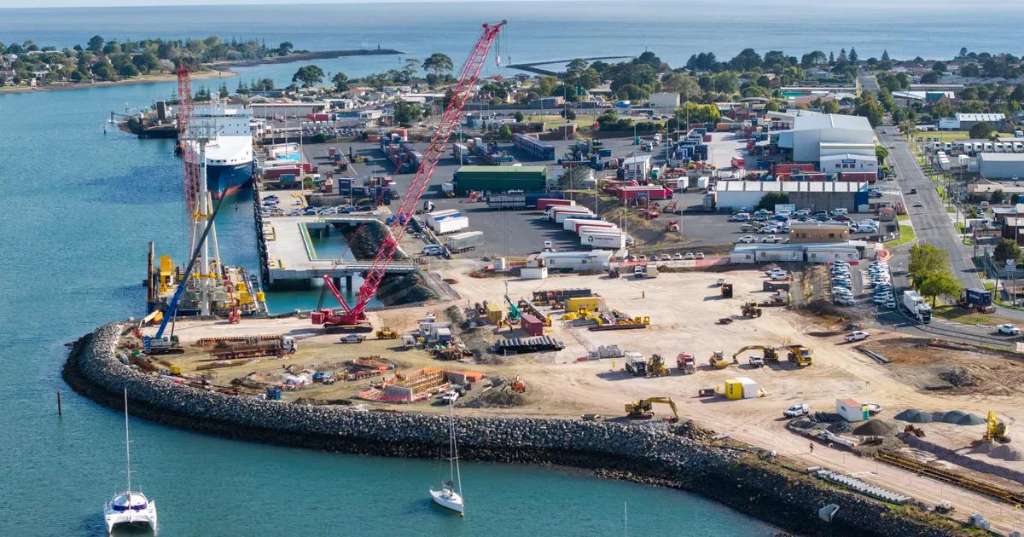
The Tasmanian Government is facing renewed criticism over the Spirit of Tasmania replacement project, after it was revealed that more than $22 million has been spent on berthing and maintaining the state's new ferries while they remain unable to operate due to delays in the completion of the Devonport Berth 3 upgrade. Tasmanian Labor says the ongoing delays have become an expensive burden for taxpayers and have raised serious questions about the management of one of the state's largest infrastructure projects.
The new vessels, Spirit of Tasmania IV and Spirit of Tasmania V, were built to replace the ageing Bass Strait ferries operating between Devonport and Geelong. The ships were intended to increase passenger capacity, freight capability and improve the reliability of Tasmania's vital sea transport connection with mainland Australia. However, although both ferries have now been completed, they cannot enter regular service because the upgraded berth required to accommodate them remains unfinished.
According to figures raised by Labor, the cost of berthing, crewing, fuel and maintenance has already exceeded $22 million, with estimates suggesting the total could approach $28 million before the ferries become operational. Labor argues these ongoing expenses represent money that could otherwise be invested in health, education and other public services.
The delays have been linked to the major redevelopment of Devonport Berth 3, a project that has experienced repeated cost increases and scheduling setbacks. Originally estimated to cost around $90 million, the berth redevelopment has expanded significantly in both scope and budget as engineering challenges emerged during construction.
Tasmanian Labor has accused the government of mismanaging the ferry replacement program, describing the situation as one of the state's largest infrastructure failures. Opposition representatives argue that the completed ships should already be transporting passengers and freight rather than remaining berthed while taxpayers continue paying substantial monthly costs.
The Tasmanian Government has defended the project, saying significant progress has been made on the berth redevelopment. Government representatives have pointed to the arrival of major infrastructure components, including a large loading gantry, and maintain the project is moving toward completion. Officials continue to describe the ferry replacement as a long-term investment that will strengthen Tasmania's tourism industry and freight network for decades to come.
The Spirit of Tasmania service plays a crucial role in the state's economy by transporting visitors, freight, agricultural products and commercial vehicles across Bass Strait. Any delays to the new vessels affect tourism operators, exporters and businesses that rely on efficient transport between Tasmania and Victoria. Industry groups have continued to call for the project to be completed as quickly as possible to minimise further financial impacts.
While political debate continues over responsibility for the delays, both sides acknowledge the importance of completing the berth upgrade so the new ferries can finally begin serving passengers. Once operational, the vessels are expected to provide greater freight capacity, improved passenger facilities and stronger support for Tasmania's tourism sector.
The project remains one of Tasmania's most closely watched infrastructure developments, with residents and businesses hoping the new ferries will soon begin operating and deliver the economic benefits originally promised.
TasmaniaBerthDelaysFerriesProject
The Tasmanian Government is facing renewed criticism over the Spirit of Tasmania replacement project, after it was revealed that more than $22 million has been spent on berthing and maintaining the state's new ferries while they remain unable to operate due to delays in the completion of the Devonport Berth 3 upgrade. Tasmanian Labor says the ongoing delays have become an expensive burden for taxpayers and have raised serious questions about the management of one of the state's largest infrastructure projects.
The new vessels, Spirit of Tasmania IV and Spirit of Tasmania V, were built to replace the ageing Bass Strait ferries operating between Devonport and Geelong. The ships were intended to increase passenger capacity, freight capability and improve the reliability of Tasmania's vital sea transport connection with mainland Australia. However, although both ferries have now been completed, they cannot enter regular service because the upgraded berth required to accommodate them remains unfinished.
According to figures raised by Labor, the cost of berthing, crewing, fuel and maintenance has already exceeded $22 million, with estimates suggesting the total could approach $28 million before the ferries become operational. Labor argues these ongoing expenses represent money that could otherwise be invested in health, education and other public services.
The delays have been linked to the major redevelopment of Devonport Berth 3, a project that has experienced repeated cost increases and scheduling setbacks. Originally estimated to cost around $90 million, the berth redevelopment has expanded significantly in both scope and budget as engineering challenges emerged during construction.
Tasmanian Labor has accused the government of mismanaging the ferry replacement program, describing the situation as one of the state's largest infrastructure failures. Opposition representatives argue that the completed ships should already be transporting passengers and freight rather than remaining berthed while taxpayers continue paying substantial monthly costs.
The Tasmanian Government has defended the project, saying significant progress has been made on the berth redevelopment. Government representatives have pointed to the arrival of major infrastructure components, including a large loading gantry, and maintain the project is moving toward completion. Officials continue to describe the ferry replacement as a long-term investment that will strengthen Tasmania's tourism industry and freight network for decades to come.
The Spirit of Tasmania service plays a crucial role in the state's economy by transporting visitors, freight, agricultural products and commercial vehicles across Bass Strait. Any delays to the new vessels affect tourism operators, exporters and businesses that rely on efficient transport between Tasmania and Victoria. Industry groups have continued to call for the project to be completed as quickly as possible to minimise further financial impacts.
While political debate continues over responsibility for the delays, both sides acknowledge the importance of completing the berth upgrade so the new ferries can finally begin serving passengers. Once operational, the vessels are expected to provide greater freight capacity, improved passenger facilities and stronger support for Tasmania's tourism sector.
The project remains one of Tasmania's most closely watched infrastructure developments, with residents and businesses hoping the new ferries will soon begin operating and deliver the economic benefits originally promised.
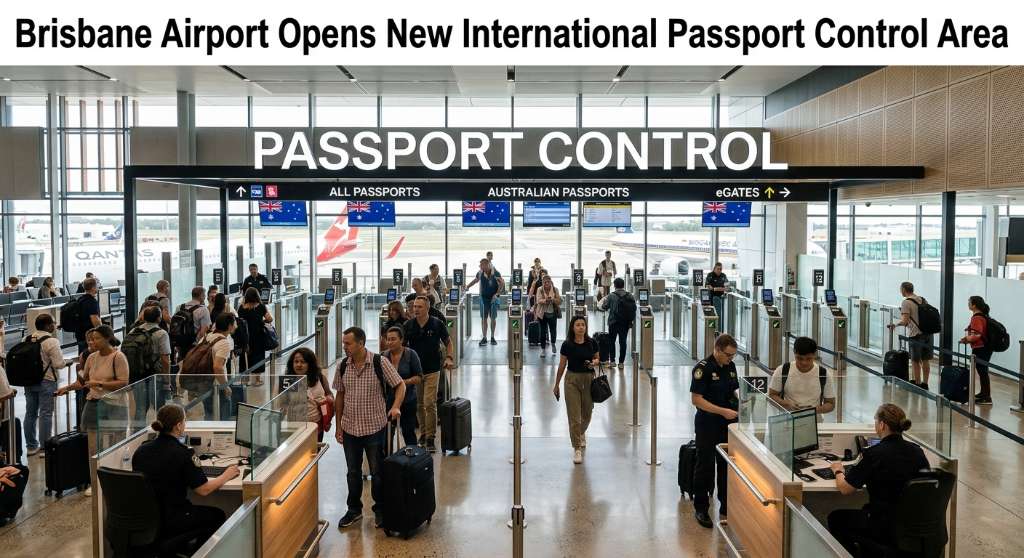
A new 12-lane passport control facility has opened at Brisbane Airport as the airport prepares for more than 1.8 million passengers during the September...
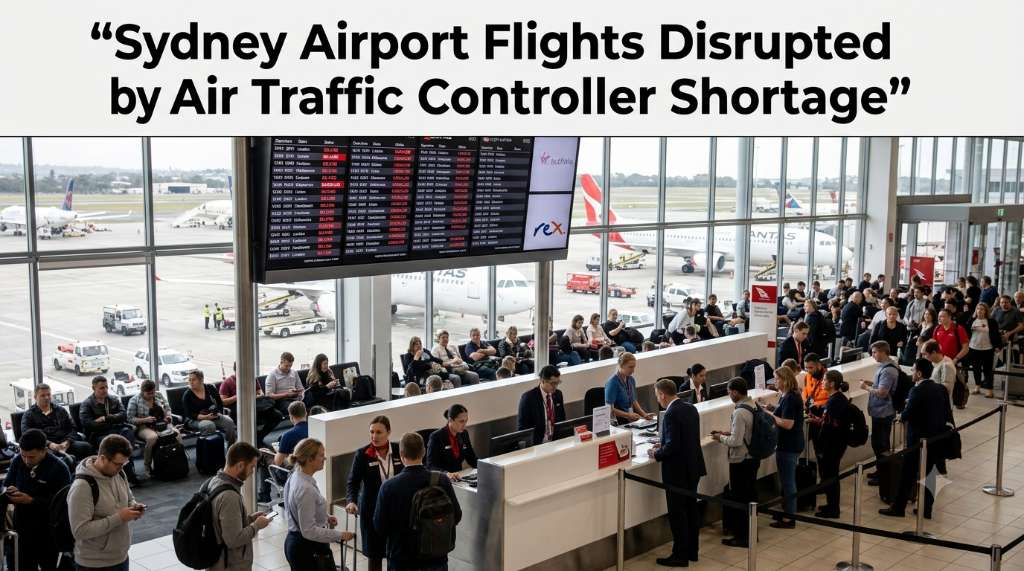
Flight delays and cancellations affected Sydney Airport passengers on Friday morning after staffing shortages prompted temporary air-traffic management...
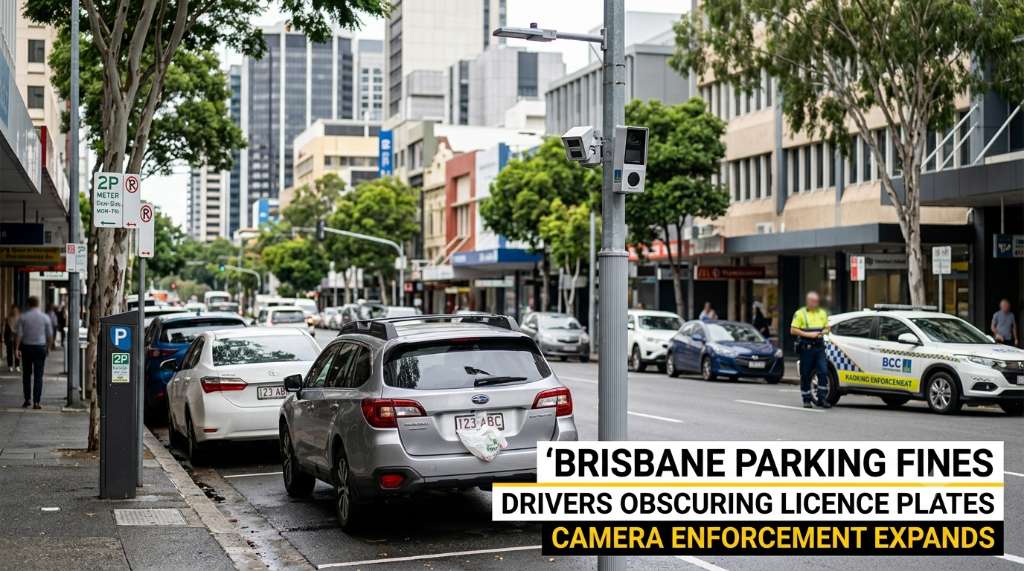
Some Brisbane motorists are covering their licence plates to avoid automatic parking enforcement cameras as council fines approach $35 million this year.
New figures have renewed concerns about emergency department delays at Royal Hobart Hospital, with the health system facing questions over patient waiti...
Cairns Regional Council has unanimously voted to seek $400,000 in Queensland Government funding for a program designed to connect local businesses with the region’s growing film...
An automated external defibrillator and memorial plaque have been installed at Ellery Creek Big Hole following the death of disability advocate Ellen Fr...
Queensland firefighters spent several hours monitoring a significant grass fire at Mary Kinross Park in Bargara, near Bundaberg, after the blaze broke out on Wednesday evening....