Safety note: Admin approval is an initial review, not a guarantee that every detail is correct. Check important or urgent claims with official sources and report anything inaccurate or unsafe.
Source and credit: Contributor's own report
ACT Considers Changing Roadwork Speed Limits When Workers Are Not Present - Canberra, ACT
Smart summary
The ACT government is reviewing whether temporary roadwork speed limits should be removed outside construction hours, following a similar change introduced in New South Wales to reduce unnecessary restrictions for dri...
The Australian Capital Territory is considering whether it should change its approach to roadwork speed limits after New South Wales introduced new rules allowing reduced construction-zone speed limits to be removed when workers are not on site and it is safe to do so. The debate has focused on balancing driver convenience with the safety of road workers and motorists.
Under the new NSW system, temporary speed limits at roadworks are no longer required to remain in place outside working hours if there are no workers present and conditions allow traffic to safely return to a higher speed. The change was introduced after concerns from drivers who argued that lower limits often remained active overnight or during periods when construction activity had stopped.
The National Roads and Motorists’ Association (NRMA) has encouraged other states and territories, including the ACT, to consider adopting a similar approach. The organisation said long-running road projects, particularly on regional roads and highways, could create frustration when reduced speed limits remain in place despite limited construction activity.
However, road safety officials have warned that roadwork zones can still contain hazards even when workers are absent. Changes to road layouts, narrow lanes, barriers, uneven surfaces, loose materials and other construction-related risks can remain dangerous for motorists travelling at higher speeds.
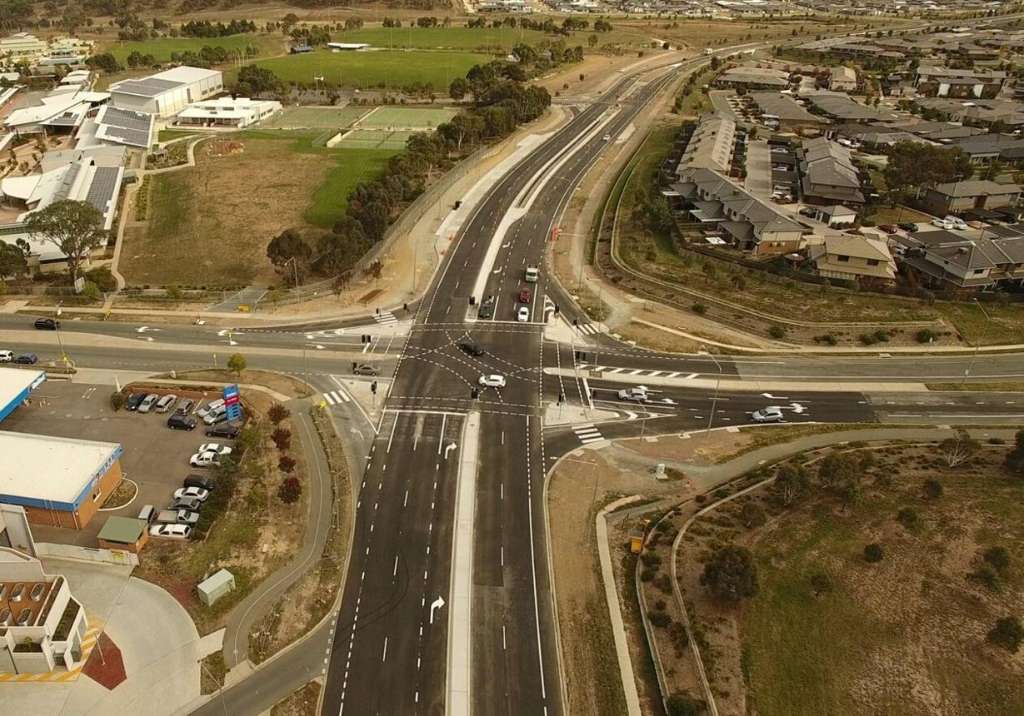
The discussion comes as major road upgrades continue across Canberra, including the duplication of William Hovell Drive. The project has reduced the speed limit through the work zone from 90 kilometres per hour to 60 kilometres per hour, with authorities emphasising that lower speeds help protect workers and improve safety.
ACT authorities have said they will monitor the impact of the NSW changes before deciding whether similar rules should be introduced locally. Officials said any possible adjustment would need to ensure that road users remain protected and that temporary speed restrictions are only removed when conditions are considered safe.
Supporters of changing the rules argue that removing unnecessary restrictions could improve traffic flow and reduce driver frustration, especially on large projects that continue for months or years. They believe modern traffic management systems can identify when speed limits are genuinely required and when normal limits can safely return.
Opponents argue that keeping lower limits in place provides an additional safety buffer around construction areas. They say drivers may not always notice hazards ahead, particularly at night or in unfamiliar areas, and reduced speeds give motorists more time to react.
The issue highlights a broader challenge for governments managing road upgrades while maintaining public safety. As cities continue expanding and infrastructure projects increase, authorities are under pressure to make travel more efficient while ensuring construction workers and drivers remain protected.
The ACT government is expected to continue reviewing the NSW approach before making any decision on whether roadwork speed limits should change in Canberra.
LimitsSpeedWhenRoadWorkers
The Australian Capital Territory is considering whether it should change its approach to roadwork speed limits after New South Wales introduced new rules allowing reduced construction-zone speed limits to be removed when workers are not on site and it is safe to do so. The debate has focused on balancing driver convenience with the safety of road workers and motorists.
Under the new NSW system, temporary speed limits at roadworks are no longer required to remain in place outside working hours if there are no workers present and conditions allow traffic to safely return to a higher speed. The change was introduced after concerns from drivers who argued that lower limits often remained active overnight or during periods when construction activity had stopped.
The National Roads and Motorists’ Association (NRMA) has encouraged other states and territories, including the ACT, to consider adopting a similar approach. The organisation said long-running road projects, particularly on regional roads and highways, could create frustration when reduced speed limits remain in place despite limited construction activity.
However, road safety officials have warned that roadwork zones can still contain hazards even when workers are absent. Changes to road layouts, narrow lanes, barriers, uneven surfaces, loose materials and other construction-related risks can remain dangerous for motorists travelling at higher speeds.
The discussion comes as major road upgrades continue across Canberra, including the duplication of William Hovell Drive. The project has reduced the speed limit through the work zone from 90 kilometres per hour to 60 kilometres per hour, with authorities emphasising that lower speeds help protect workers and improve safety.
ACT authorities have said they will monitor the impact of the NSW changes before deciding whether similar rules should be introduced locally. Officials said any possible adjustment would need to ensure that road users remain protected and that temporary speed restrictions are only removed when conditions are considered safe.
Supporters of changing the rules argue that removing unnecessary restrictions could improve traffic flow and reduce driver frustration, especially on large projects that continue for months or years. They believe modern traffic management systems can identify when speed limits are genuinely required and when normal limits can safely return.
Opponents argue that keeping lower limits in place provides an additional safety buffer around construction areas. They say drivers may not always notice hazards ahead, particularly at night or in unfamiliar areas, and reduced speeds give motorists more time to react.
The issue highlights a broader challenge for governments managing road upgrades while maintaining public safety. As cities continue expanding and infrastructure projects increase, authorities are under pressure to make travel more efficient while ensuring construction workers and drivers remain protected.
The ACT government is expected to continue reviewing the NSW approach before making any decision on whether roadwork speed limits should change in Canberra.
A new 12-lane passport control facility has opened at Brisbane Airport as the airport prepares for more than 1.8 million passengers during the September...
Flight delays and cancellations affected Sydney Airport passengers on Friday morning after staffing shortages prompted temporary air-traffic management...
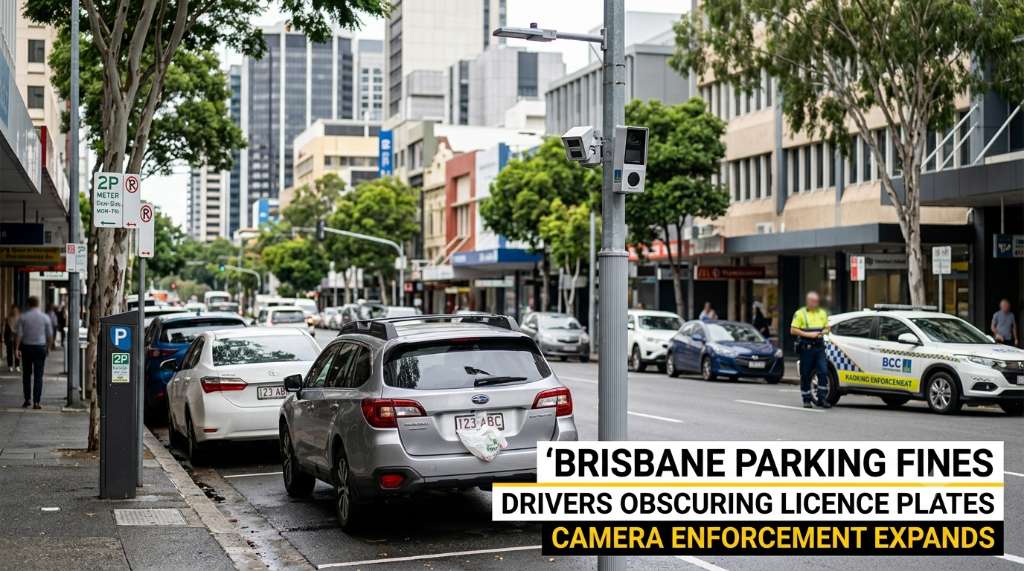
Some Brisbane motorists are covering their licence plates to avoid automatic parking enforcement cameras as council fines approach $35 million this year.
The Federal Government is preparing new measures targeting temporary visas, visa overstayers, international students and visa-hopping, while maintaining...
One Nation’s proposed major reduction in migration has triggered warnings that a sharp cut to population growth could weaken Australia’s economy and cre...
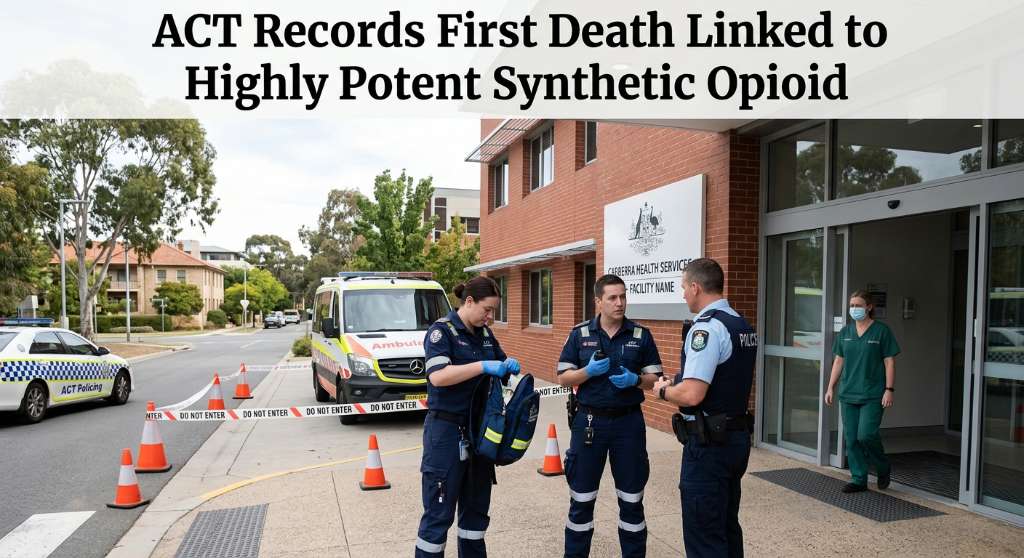
A Canberra woman has become the first person in the ACT whose death has been linked to a highly potent synthetic opioid, prompting renewed concern about...
Canberra’s Commonwealth Park has welcomed visitors for the annual Floriade festival, bringing flowers, entertainment and spring activities to the city.
Cairns Regional Council has unanimously voted to seek $400,000 in Queensland Government funding for a program designed to connect local businesses with the region’s growing film...
An automated external defibrillator and memorial plaque have been installed at Ellery Creek Big Hole following the death of disability advocate Ellen Fr...
Queensland firefighters spent several hours monitoring a significant grass fire at Mary Kinross Park in Bargara, near Bundaberg, after the blaze broke out on Wednesday evening....