Safety note: Admin approval is an initial review, not a guarantee that every detail is correct. Check important or urgent claims with official sources and report anything inaccurate or unsafe.
A Riverina grandmother was left stranded hundreds of kilometres from home after the nationwide Telstra outage brought regional train services to a standstill, highlighting the human impact of the telecommunications fa...
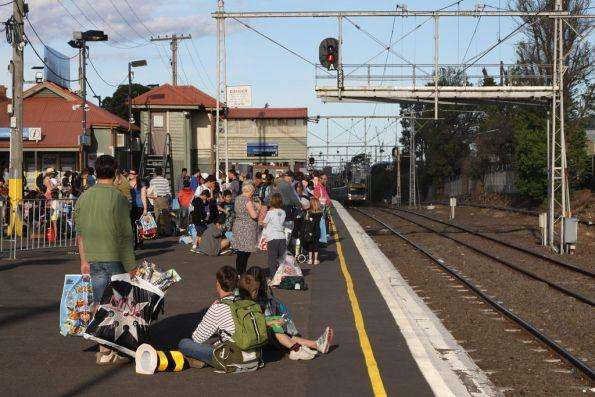
A Riverina grandmother has shared her frustration after becoming stranded during the nationwide Telstra network outage, which disrupted regional rail services across New South Wales and Victoria and left thousands of passengers unable to reach their destinations safely.
The woman had been travelling by regional train when services were suspended after the telecommunications failure affected the Australian Rail Track Corporation's (ARTC) National Train Communications System (NTCS). The communications network is a critical safety system that allows train drivers and control centres to communicate. Without reliable communications, passenger and freight trains were unable to continue operating safely.
The outage left many passengers unexpectedly stranded, including elderly travellers who were forced to arrange alternative accommodation or wait for replacement coaches. The Riverina grandmother said the disruption caused significant stress as she tried to find a way home while dealing with uncertainty about when services would resume.
Regional train services across parts of New South Wales, including routes through the Hunter region, Southern Highlands and Canberra connections, were suspended during the outage. Victorian regional operator V/Line also cancelled services after the communication systems used by trains lost connectivity.
Transport authorities explained that although Telstra restored most mobile services later the same day, rail operators could not immediately restart services because every train communication unit needed to undergo testing before being declared safe for operation. ARTC implemented a phased return to service to ensure all safety checks were completed.
The outage demonstrated how modern rail systems rely on telecommunications infrastructure. According to telecommunications experts, the NTCS operates over Telstra's 4G network, and when communication between trains and control centres is interrupted, trains must stop because operators cannot guarantee safe movement across the network.
Across Australia, the Telstra outage disrupted more than just rail transport. Businesses experienced EFTPOS failures, emergency call services were affected, and freight operations were delayed while communication systems were restored. Governments and transport operators later called for stronger network resilience and better contingency planning to reduce the risk of future nationwide disruptions.
Regional travellers were among those hardest hit because replacement transport options were limited. Many passengers waited hours for buses, while others organised taxis or accommodation at their own expense. Some operators later announced reimbursement measures for affected customers.
The Riverina grandmother's experience has become one of many stories illustrating how large-scale infrastructure failures can significantly affect everyday Australians, particularly elderly passengers and those travelling long distances. While train services have progressively resumed, transport authorities continue reviewing the incident and examining ways to strengthen communication systems and emergency backup arrangements.
ServicesWereTrainOutageRegional
A Riverina grandmother has shared her frustration after becoming stranded during the nationwide Telstra network outage, which disrupted regional rail services across New South Wales and Victoria and left thousands of passengers unable to reach their destinations safely.
The woman had been travelling by regional train when services were suspended after the telecommunications failure affected the Australian Rail Track Corporation's (ARTC) National Train Communications System (NTCS). The communications network is a critical safety system that allows train drivers and control centres to communicate. Without reliable communications, passenger and freight trains were unable to continue operating safely.
The outage left many passengers unexpectedly stranded, including elderly travellers who were forced to arrange alternative accommodation or wait for replacement coaches. The Riverina grandmother said the disruption caused significant stress as she tried to find a way home while dealing with uncertainty about when services would resume.
Regional train services across parts of New South Wales, including routes through the Hunter region, Southern Highlands and Canberra connections, were suspended during the outage. Victorian regional operator V/Line also cancelled services after the communication systems used by trains lost connectivity.
Transport authorities explained that although Telstra restored most mobile services later the same day, rail operators could not immediately restart services because every train communication unit needed to undergo testing before being declared safe for operation. ARTC implemented a phased return to service to ensure all safety checks were completed.
The outage demonstrated how modern rail systems rely on telecommunications infrastructure. According to telecommunications experts, the NTCS operates over Telstra's 4G network, and when communication between trains and control centres is interrupted, trains must stop because operators cannot guarantee safe movement across the network.
Across Australia, the Telstra outage disrupted more than just rail transport. Businesses experienced EFTPOS failures, emergency call services were affected, and freight operations were delayed while communication systems were restored. Governments and transport operators later called for stronger network resilience and better contingency planning to reduce the risk of future nationwide disruptions.
Regional travellers were among those hardest hit because replacement transport options were limited. Many passengers waited hours for buses, while others organised taxis or accommodation at their own expense. Some operators later announced reimbursement measures for affected customers.
The Riverina grandmother's experience has become one of many stories illustrating how large-scale infrastructure failures can significantly affect everyday Australians, particularly elderly passengers and those travelling long distances. While train services have progressively resumed, transport authorities continue reviewing the incident and examining ways to strengthen communication systems and emergency backup arrangements.
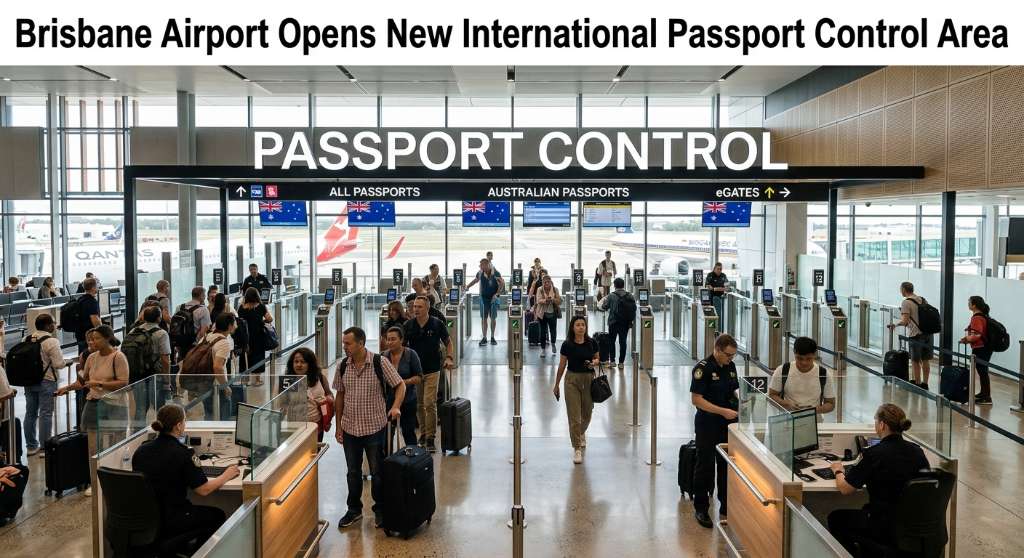
A new 12-lane passport control facility has opened at Brisbane Airport as the airport prepares for more than 1.8 million passengers during the September...
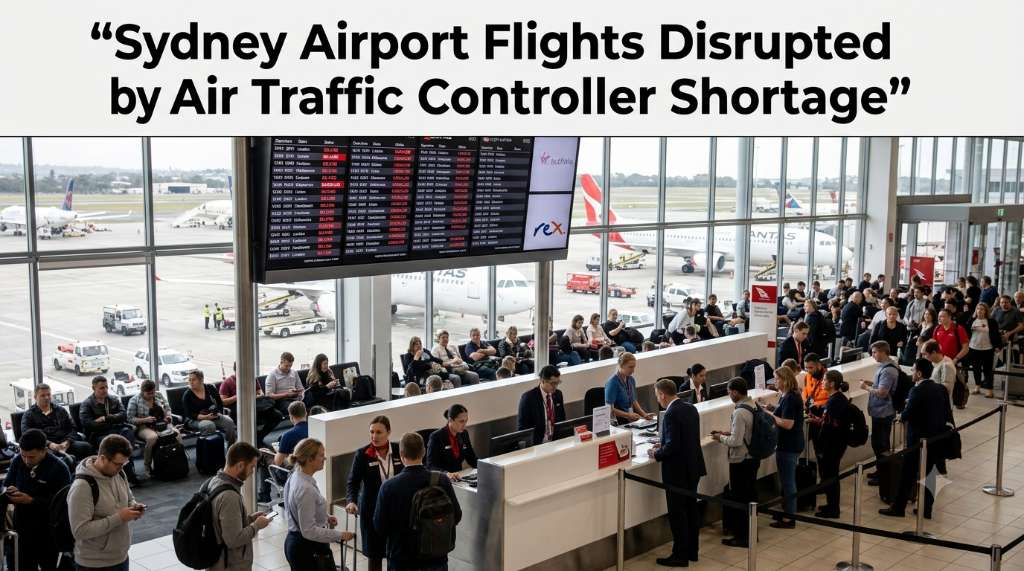
Flight delays and cancellations affected Sydney Airport passengers on Friday morning after staffing shortages prompted temporary air-traffic management...
Some Brisbane motorists are covering their licence plates to avoid automatic parking enforcement cameras as council fines approach $35 million this year.
A 36-year-old man has been charged after investigators allegedly found fraudulent identification documents, cloned number plates, cash and drug-manufact...
A Sydney court has heard that a man sent 249 messages to a former partner within 24 hours, with the messages treated as a single alleged breach of an ap...
A high-profile athlete has returned to court and told the hearing that an alleged unwanted kiss by former broadcaster Alan Jones remained difficult to f...
Work on the $150 million Sydney Town Hall Square project has been paused after the NSW Planning Minister referred the development for review by the Inde...
Cairns Regional Council has unanimously voted to seek $400,000 in Queensland Government funding for a program designed to connect local businesses with the region’s growing film...
An automated external defibrillator and memorial plaque have been installed at Ellery Creek Big Hole following the death of disability advocate Ellen Fr...
Queensland firefighters spent several hours monitoring a significant grass fire at Mary Kinross Park in Bargara, near Bundaberg, after the blaze broke out on Wednesday evening....