Safety note: Admin approval is an initial review, not a guarantee that every detail is correct. Check important or urgent claims with official sources and report anything inaccurate or unsafe.
Source and credit: Contributor's own report
Australian coffee industry prepares for major expansion as demand for local beans grows - Cairns, QLD
Smart summary
Australia’s coffee industry is expected to expand as growers increase production, researchers develop better-suited coffee varieties and consumers show growing interest in locally grown and roasted beans.
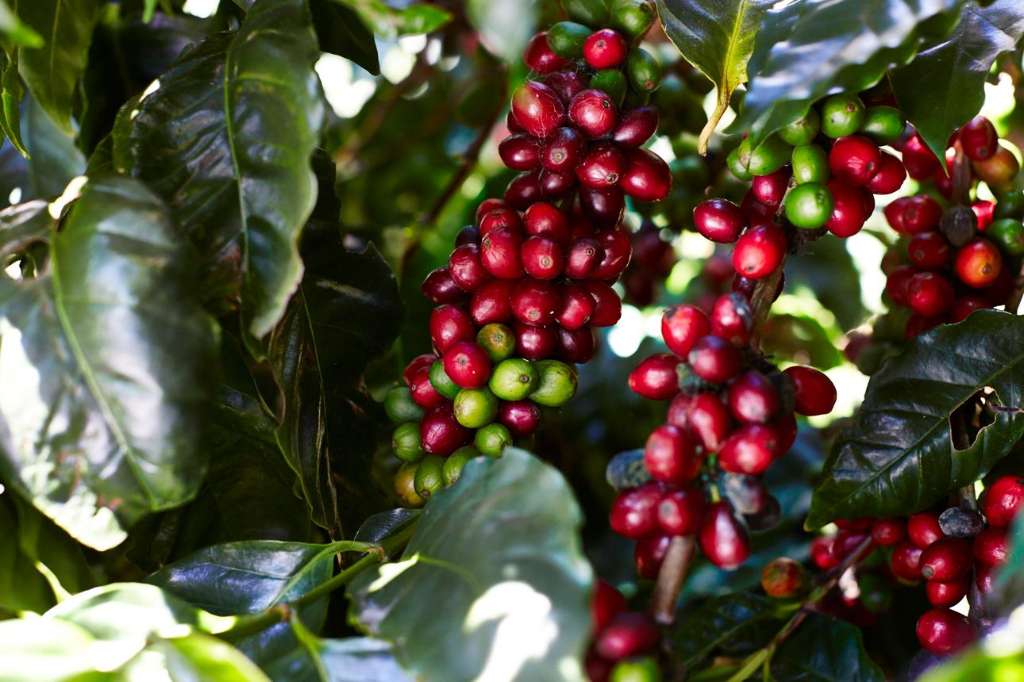
Australia’s coffee industry is entering a period of growth, with farmers, researchers and industry experts predicting significant expansion as demand for locally produced coffee continues to rise.
Although Australians are among the world’s biggest coffee consumers, less than 1 per cent of the coffee consumed in Australia is currently grown domestically. However, researchers believe improvements in farming methods, new coffee varieties and changing consumer preferences could allow the local industry to capture a larger share of the market.
Much of Australia’s coffee production is concentrated in Far North Queensland, particularly around the Atherton Tablelands, as well as parts of northern New South Wales. As harvest season begins, growers are reporting strong interest in expanding plantations and increasing production volumes.
Researchers from Southern Cross University have been working on identifying coffee varieties that perform well in Australian climates. Plant breeding and agricultural trials have identified four promising coffee varieties that could help growers improve productivity and quality.
Professor Tobias Kretzschmar, a plant breeding and genetics researcher, said Australia would not replace imported coffee entirely but could significantly increase domestic production through sustainable growth. He said changes in consumer preferences and improvements in production efficiency were creating new opportunities for Australian growers.
The expansion is not limited to existing coffee farms. Other agricultural producers are also exploring coffee as an alternative crop. Some avocado growers are considering coffee production as a diversification option, while macadamia growers are also showing interest. Researchers say farms suitable for avocado production often have similar climate and soil conditions suitable for coffee cultivation.
In Far North Queensland, coffee growers are already increasing their plantations. Mareeba grower Jack Murat is trialling new varieties and plans to plant an additional 80,000 coffee plants as part of his expansion strategy.
Mr Murat said consumer interest in Australian-grown products has increased in recent years, with more people wanting to know where their food and beverages come from. He believes Australian coffee has an opportunity to build a stronger reputation for quality and sustainability.
Another Mareeba grower, Rob Jaques, said his farm was experiencing one of its biggest harvests and that customer demand had continued to grow. He said more Australians were recognising the quality of locally produced coffee and becoming interested in supporting domestic growers.
The growth of Australian coffee comes as consumers increasingly seek locally produced food and beverages. Industry discussions have highlighted that Australian-grown coffee remains a premium product because production costs are higher than in major international coffee-growing countries.
Despite these challenges, growers believe there is significant potential for the industry to expand. Increasing production, improving farming technology and developing varieties suited to Australian conditions could help create a stronger domestic coffee sector.
The future of Australian coffee is expected to focus on quality rather than replacing global supply. While local farms may not meet the entire national demand, a larger domestic industry could provide consumers with more Australian-grown options and create new opportunities for regional farmers.
CoffeeGrowersProductionIndustryCould
Australia’s coffee industry is entering a period of growth, with farmers, researchers and industry experts predicting significant expansion as demand for locally produced coffee continues to rise.
Although Australians are among the world’s biggest coffee consumers, less than 1 per cent of the coffee consumed in Australia is currently grown domestically. However, researchers believe improvements in farming methods, new coffee varieties and changing consumer preferences could allow the local industry to capture a larger share of the market.
Much of Australia’s coffee production is concentrated in Far North Queensland, particularly around the Atherton Tablelands, as well as parts of northern New South Wales. As harvest season begins, growers are reporting strong interest in expanding plantations and increasing production volumes.
Researchers from Southern Cross University have been working on identifying coffee varieties that perform well in Australian climates. Plant breeding and agricultural trials have identified four promising coffee varieties that could help growers improve productivity and quality.
Professor Tobias Kretzschmar, a plant breeding and genetics researcher, said Australia would not replace imported coffee entirely but could significantly increase domestic production through sustainable growth. He said changes in consumer preferences and improvements in production efficiency were creating new opportunities for Australian growers.
The expansion is not limited to existing coffee farms. Other agricultural producers are also exploring coffee as an alternative crop. Some avocado growers are considering coffee production as a diversification option, while macadamia growers are also showing interest. Researchers say farms suitable for avocado production often have similar climate and soil conditions suitable for coffee cultivation.
In Far North Queensland, coffee growers are already increasing their plantations. Mareeba grower Jack Murat is trialling new varieties and plans to plant an additional 80,000 coffee plants as part of his expansion strategy.
Mr Murat said consumer interest in Australian-grown products has increased in recent years, with more people wanting to know where their food and beverages come from. He believes Australian coffee has an opportunity to build a stronger reputation for quality and sustainability.
Another Mareeba grower, Rob Jaques, said his farm was experiencing one of its biggest harvests and that customer demand had continued to grow. He said more Australians were recognising the quality of locally produced coffee and becoming interested in supporting domestic growers.
The growth of Australian coffee comes as consumers increasingly seek locally produced food and beverages. Industry discussions have highlighted that Australian-grown coffee remains a premium product because production costs are higher than in major international coffee-growing countries.
Despite these challenges, growers believe there is significant potential for the industry to expand. Increasing production, improving farming technology and developing varieties suited to Australian conditions could help create a stronger domestic coffee sector.
The future of Australian coffee is expected to focus on quality rather than replacing global supply. While local farms may not meet the entire national demand, a larger domestic industry could provide consumers with more Australian-grown options and create new opportunities for regional farmers.
Cairns Regional Council has unanimously voted to seek $400,000 in Queensland Government funding for a program designed to connect local businesses with the region’s growing film...
Albury New South Wales · Business News · 17 Sep 2026
An Australian artificial intelligence company has purchased the former Visy paper mill site at Ettamogah, north of Albury, in a significant local business The company, Sharon AI...
A new multi-million-dollar poultry-processing facility has officially opened near Tamworth, bringing major investment and new employment opportunities t...
Queensland's emerging football prospects are coming together for a three-day Brisbane Lions State Academy showcase, giving young players an opportunity...
A Wavell Heights enrolled nurse has been charged with four counts of alleged sexual assault and one count of wilful exposure, with his professional regi...
A 24-year-old Carina Heights man has been charged with 36 offences following an investigation into alleged break-ins, vehicle offences and other propert...
Cairns Regional Council has unanimously voted to seek $400,000 in Queensland Government funding for a program designed to connect local businesses with the region’s growing film...
An automated external defibrillator and memorial plaque have been installed at Ellery Creek Big Hole following the death of disability advocate Ellen Fr...
Queensland firefighters spent several hours monitoring a significant grass fire at Mary Kinross Park in Bargara, near Bundaberg, after the blaze broke out on Wednesday evening....