Safety note: Admin approval is an initial review, not a guarantee that every detail is correct. Check important or urgent claims with official sources and report anything inaccurate or unsafe.
Source and credit: Contributor's own report
Country musician Jeanette Wormald targeted by AI-generated website and copyright disputes - Cairns, QLD
Smart summary
Australian country musician Jeanette Wormald has raised concerns after discovering an unauthorised AI-generated website using her identity, images and career information. The discovery came alongside unrelated copyrig...
Australian country music artist Jeanette Wormald has spoken out after discovering that a former website domain connected to her career had been taken over and transformed into an AI-generated website containing inaccurate information, images and promotional material.
Wormald, a 2007 Golden Guitar finalist, previously operated an official website using a “.com” domain before moving to a “.com.au” address. After allowing the original domain to lapse, she later discovered that the website had been repurposed using artificial intelligence-generated content that appeared to represent her.
The musician said she was shocked to find AI-created images and information about herself appearing on the website. The site included generated artwork, including an AI-created image of a woman in a cowboy hat, along with information collected from publicly available sources.
The website claimed to be a “tribute” page rather than an official site, but Wormald said she was concerned that visitors could be confused by the content and believe it was connected to her professionally.
The AI-generated website also contained links to unrelated health and medical information websites, as well as a US-based company promoting peptide products. Wormald questioned why her identity and music career were being connected to material she had no involvement with.
The musician referred the matter to the Australasian Performing Right Association and Australasian Mechanical Copyright Owners Society (APRA AMCOS). The organisation described the unauthorised use of her identity and content as concerning and advised her to explore legal options, including a takedown request through the Arts Law Centre of Australia.
Around the same time, Wormald discovered copyright dispute notifications affecting three videos from her 2014 album Inland Moon on You Tube. She said the claims were later resolved after the third party withdrew the copyright complaints, allowing her to continue receiving income from the videos.
Wormald believes the website issue and the You Tube copyright claims were separate incidents, but she said both events highlighted how vulnerable independent artists can be when dealing with online platforms and artificial intelligence systems.
Experts in intellectual property law say AI-related problems are becoming increasingly common for creators. Louise Buckingham, chief executive of the Arts Law Centre of Australia, said artists need to remain alert about how their work, identity and creative output are used online.
University of New South Wales intellectual property expert Professor Kathy Bowrey described AI scraping and misuse of online information as a growing challenge. She said individual artists often face difficulties taking legal action because of the cost and complexity involved.
The case reflects a wider global debate about artificial intelligence, copyright and ownership of creative works. Artists, writers and musicians around the world have raised concerns about AI systems using creative material without permission, while governments and courts continue to examine how existing copyright laws apply to emerging technologies.
Despite the setback, Wormald said she plans to continue focusing on live performances. She is organising a “reclaim our rights” concert in Kuranda to raise awareness about protecting original music and supporting artists affected by AI-related challenges.
The incident highlights the importance for creators to protect their digital presence, monitor online platforms and understand their rights as artificial intelligence continues to reshape the creative industries.
WebsiteWormaldCopyrightArtistsInformation
Australian country music artist Jeanette Wormald has spoken out after discovering that a former website domain connected to her career had been taken over and transformed into an AI-generated website containing inaccurate information, images and promotional material.
Wormald, a 2007 Golden Guitar finalist, previously operated an official website using a “.com” domain before moving to a “.com.au” address. After allowing the original domain to lapse, she later discovered that the website had been repurposed using artificial intelligence-generated content that appeared to represent her.
The musician said she was shocked to find AI-created images and information about herself appearing on the website. The site included generated artwork, including an AI-created image of a woman in a cowboy hat, along with information collected from publicly available sources.
The website claimed to be a “tribute” page rather than an official site, but Wormald said she was concerned that visitors could be confused by the content and believe it was connected to her professionally.
The AI-generated website also contained links to unrelated health and medical information websites, as well as a US-based company promoting peptide products. Wormald questioned why her identity and music career were being connected to material she had no involvement with.
The musician referred the matter to the Australasian Performing Right Association and Australasian Mechanical Copyright Owners Society (APRA AMCOS). The organisation described the unauthorised use of her identity and content as concerning and advised her to explore legal options, including a takedown request through the Arts Law Centre of Australia.
Around the same time, Wormald discovered copyright dispute notifications affecting three videos from her 2014 album Inland Moon on You Tube. She said the claims were later resolved after the third party withdrew the copyright complaints, allowing her to continue receiving income from the videos.
Wormald believes the website issue and the You Tube copyright claims were separate incidents, but she said both events highlighted how vulnerable independent artists can be when dealing with online platforms and artificial intelligence systems.
Experts in intellectual property law say AI-related problems are becoming increasingly common for creators. Louise Buckingham, chief executive of the Arts Law Centre of Australia, said artists need to remain alert about how their work, identity and creative output are used online.
University of New South Wales intellectual property expert Professor Kathy Bowrey described AI scraping and misuse of online information as a growing challenge. She said individual artists often face difficulties taking legal action because of the cost and complexity involved.
The case reflects a wider global debate about artificial intelligence, copyright and ownership of creative works. Artists, writers and musicians around the world have raised concerns about AI systems using creative material without permission, while governments and courts continue to examine how existing copyright laws apply to emerging technologies.
Despite the setback, Wormald said she plans to continue focusing on live performances. She is organising a “reclaim our rights” concert in Kuranda to raise awareness about protecting original music and supporting artists affected by AI-related challenges.
The incident highlights the importance for creators to protect their digital presence, monitor online platforms and understand their rights as artificial intelligence continues to reshape the creative industries.
Tesla is preparing to bring its driverless Cybercab to Australia for a preview, giving Australians an early look at the company’s autonomous vehicle tec...
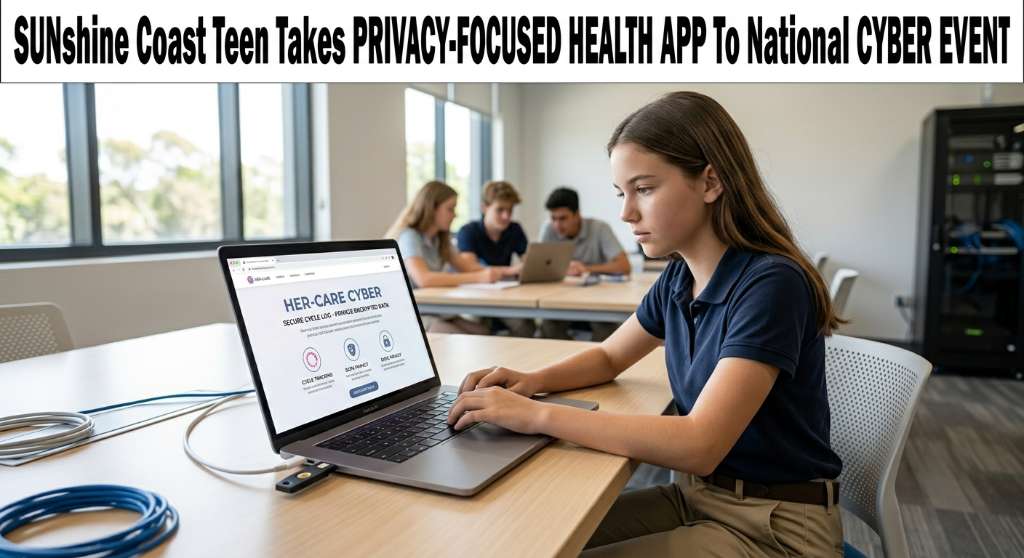
A 15-year-old Pacific Lutheran College student has developed a privacy-first women’s health app and presented her work at a major national cyber event.
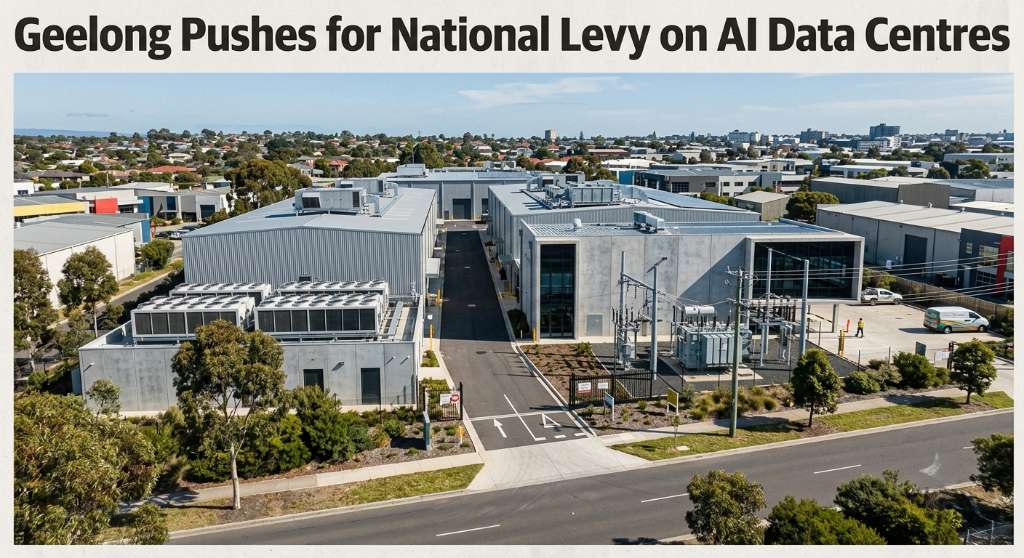
Greater Geelong Council wants data-centre operators to contribute to local infrastructure as community concerns grow over energy, water use and developm...
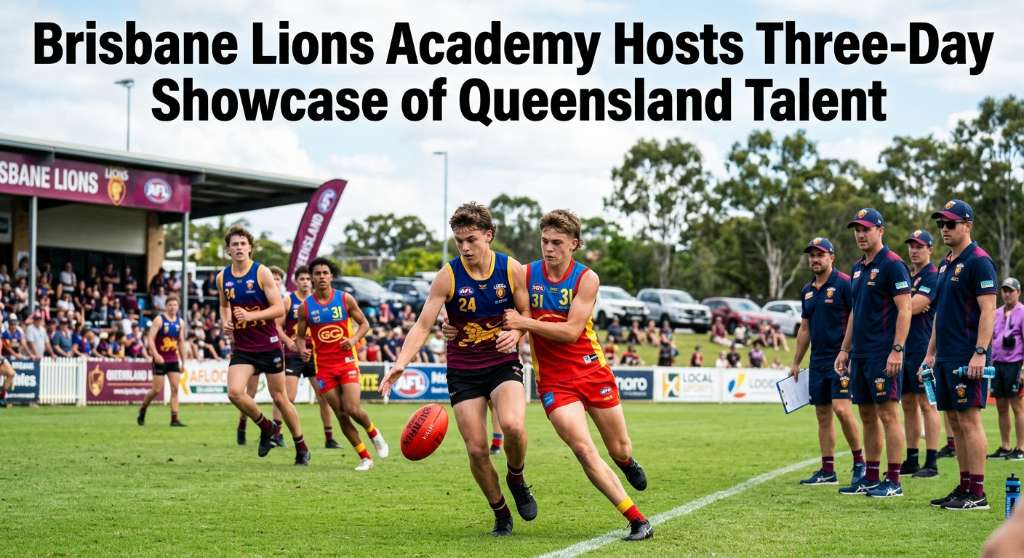
Queensland's emerging football prospects are coming together for a three-day Brisbane Lions State Academy showcase, giving young players an opportunity...
A Wavell Heights enrolled nurse has been charged with four counts of alleged sexual assault and one count of wilful exposure, with his professional regi...
A 24-year-old Carina Heights man has been charged with 36 offences following an investigation into alleged break-ins, vehicle offences and other propert...
Cairns Regional Council has unanimously voted to seek $400,000 in Queensland Government funding for a program designed to connect local businesses with the region’s growing film...
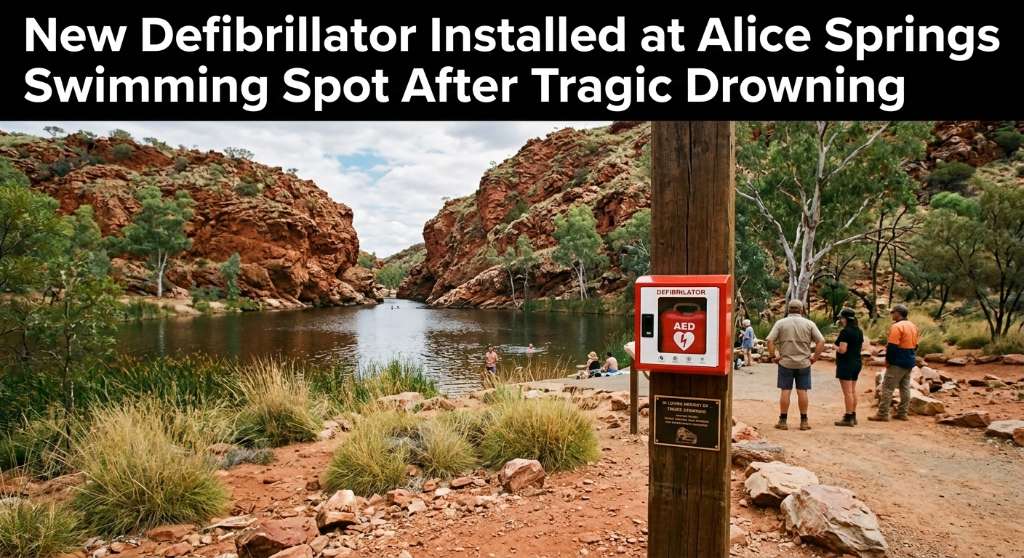
An automated external defibrillator and memorial plaque have been installed at Ellery Creek Big Hole following the death of disability advocate Ellen Fr...
Queensland firefighters spent several hours monitoring a significant grass fire at Mary Kinross Park in Bargara, near Bundaberg, after the blaze broke out on Wednesday evening....