Safety note: Admin approval is an initial review, not a guarantee that every detail is correct. Check important or urgent claims with official sources and report anything inaccurate or unsafe.
Source and credit: Contributor's own report
Bundaberg mum faces second breast cancer battle and prepares for double mastectomy - Bundaberg, QLD
Smart summary
A Bundaberg mother is preparing for a major cancer treatment journey after being diagnosed with a new and more aggressive breast cancer, years after overcoming her first diagnosis. She will undergo a double mastectomy...
A Bundaberg mother has shared her emotional journey after receiving a second breast cancer diagnosis, describing the news as devastating but remaining determined to fight the disease with the support of her family and medical team.
Lisa Maree, a mother from Bundaberg, was first diagnosed with breast cancer seven years ago. During that battle, she underwent surgery, chemotherapy, radiation treatment and hormone therapy before eventually receiving the news that she was cancer-free in January 2025.
However, after finding a lump in her other breast in 2026, Lisa underwent further scans and biopsies. On 3 June 2026, she received the diagnosis of a second primary breast cancer — meaning doctors identified it as a new cancer rather than a return of her previous cancer. She described the new diagnosis as a more aggressive form of the disease.
Lisa said that while she had always carried the fear that cancer could return, she had chosen to continue living her life fully after her first recovery. The new diagnosis has brought another difficult period of treatment, but she has remained positive and focused on recovery.
Her upcoming treatment plan includes a double mastectomy, followed by chemotherapy and potentially radiation therapy. Lisa said she is prepared for another challenging road ahead but believes she has strong support from her family, friends and healthcare team.
Her three daughters — Dayna, Lisa and Shana — have launched a fundraising campaign to help reduce the financial pressure associated with treatment. They said their mother has always been someone who supports others and rarely asks for help herself. The fundraiser aims to assist with expenses while Lisa takes time away from work for surgery, treatment and recovery.
The family said the emotional and physical impact of cancer treatment extends beyond hospital appointments, with patients often facing challenges involving employment, daily responsibilities and ongoing recovery. They hope community support will allow Lisa to focus on her health without additional financial stress.
Lisa has also used her experience to encourage others to be proactive about their health. She urged people to pay attention to changes in their bodies, attend recommended screenings and seek medical advice when something does not feel right.
Breast cancer remains one of Australia's most commonly diagnosed cancers among women. Health organisations continue to encourage early detection through regular checks and screening programs, as finding cancer earlier can improve treatment options and outcomes.
Experts also recognise that some people who have previously experienced breast cancer can later develop a new breast cancer diagnosis, requiring careful monitoring and personalised treatment plans.
For Lisa, the journey ahead will involve another major operation and months of treatment, but she says she is determined to remain hopeful. Her story highlights the resilience of cancer survivors and the importance of community support during some of life's most difficult moments.
CancerLisaTreatmentBreastDiagnosis
A Bundaberg mother has shared her emotional journey after receiving a second breast cancer diagnosis, describing the news as devastating but remaining determined to fight the disease with the support of her family and medical team.
Lisa Maree, a mother from Bundaberg, was first diagnosed with breast cancer seven years ago. During that battle, she underwent surgery, chemotherapy, radiation treatment and hormone therapy before eventually receiving the news that she was cancer-free in January 2025.
However, after finding a lump in her other breast in 2026, Lisa underwent further scans and biopsies. On 3 June 2026, she received the diagnosis of a second primary breast cancer — meaning doctors identified it as a new cancer rather than a return of her previous cancer. She described the new diagnosis as a more aggressive form of the disease.
Lisa said that while she had always carried the fear that cancer could return, she had chosen to continue living her life fully after her first recovery. The new diagnosis has brought another difficult period of treatment, but she has remained positive and focused on recovery.
Her upcoming treatment plan includes a double mastectomy, followed by chemotherapy and potentially radiation therapy. Lisa said she is prepared for another challenging road ahead but believes she has strong support from her family, friends and healthcare team.
Her three daughters — Dayna, Lisa and Shana — have launched a fundraising campaign to help reduce the financial pressure associated with treatment. They said their mother has always been someone who supports others and rarely asks for help herself. The fundraiser aims to assist with expenses while Lisa takes time away from work for surgery, treatment and recovery.
The family said the emotional and physical impact of cancer treatment extends beyond hospital appointments, with patients often facing challenges involving employment, daily responsibilities and ongoing recovery. They hope community support will allow Lisa to focus on her health without additional financial stress.
Lisa has also used her experience to encourage others to be proactive about their health. She urged people to pay attention to changes in their bodies, attend recommended screenings and seek medical advice when something does not feel right.
Breast cancer remains one of Australia's most commonly diagnosed cancers among women. Health organisations continue to encourage early detection through regular checks and screening programs, as finding cancer earlier can improve treatment options and outcomes.
Experts also recognise that some people who have previously experienced breast cancer can later develop a new breast cancer diagnosis, requiring careful monitoring and personalised treatment plans.
For Lisa, the journey ahead will involve another major operation and months of treatment, but she says she is determined to remain hopeful. Her story highlights the resilience of cancer survivors and the importance of community support during some of life's most difficult moments.
New funding from local charity Wishlist is improving communication support for patients at Bundaberg Hospital, with resources designed to help people communicate more effectivel...
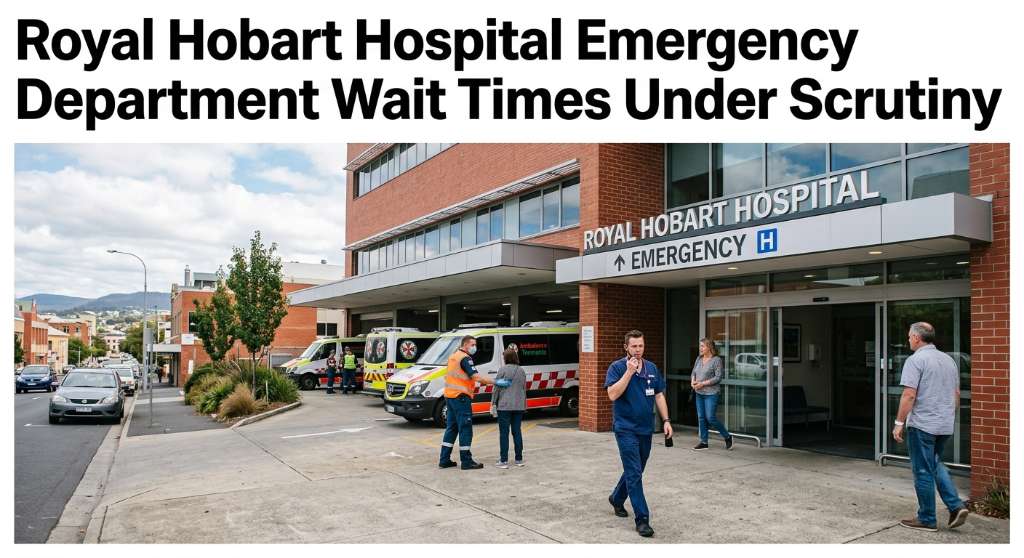
New figures have renewed concerns about emergency department delays at Royal Hobart Hospital, with the health system facing questions over patient waiti...
Central Coast New South Wales · Health News · 10 Sep 2026
The design for new Key Health Worker Accommodation at Wyong has been released today, with the project aimed at helping address the need for suitable accommodation for healthcare...
Queensland's emerging football prospects are coming together for a three-day Brisbane Lions State Academy showcase, giving young players an opportunity...
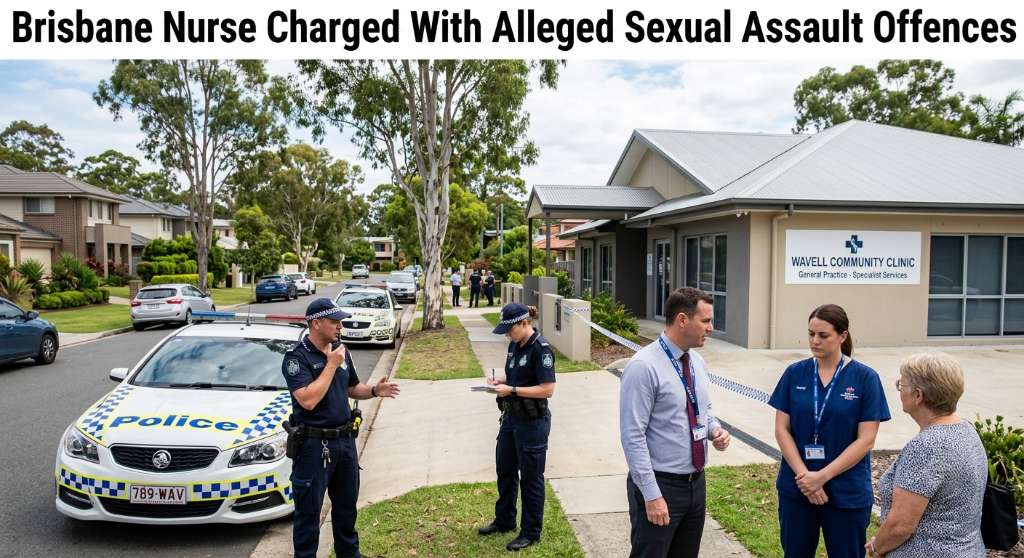
A Wavell Heights enrolled nurse has been charged with four counts of alleged sexual assault and one count of wilful exposure, with his professional regi...
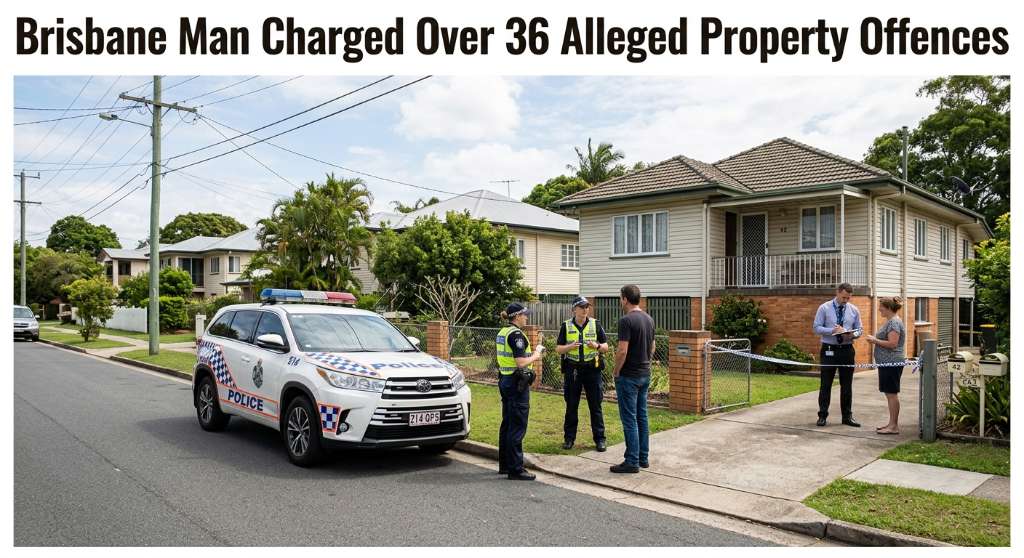
A 24-year-old Carina Heights man has been charged with 36 offences following an investigation into alleged break-ins, vehicle offences and other propert...
Cairns Regional Council has unanimously voted to seek $400,000 in Queensland Government funding for a program designed to connect local businesses with the region’s growing film...
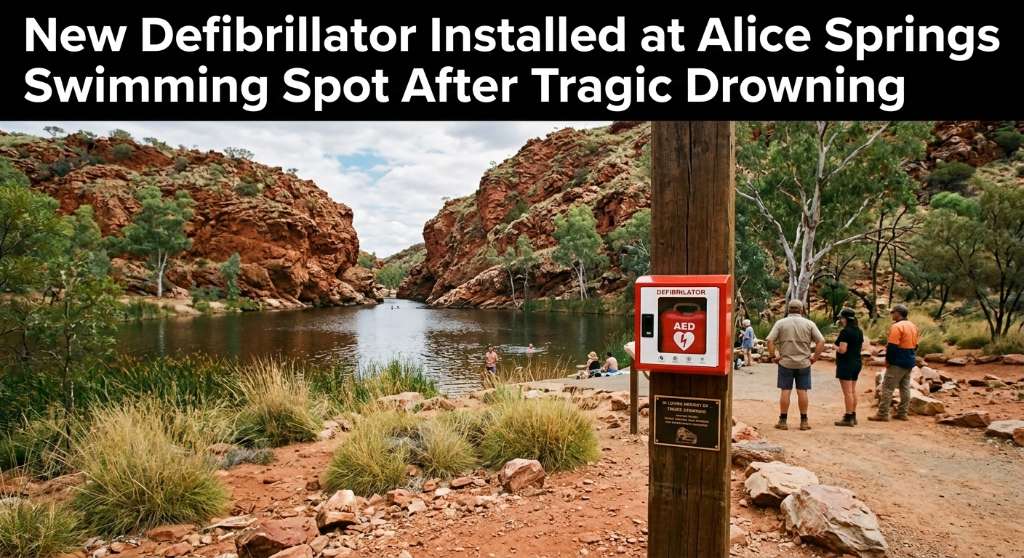
An automated external defibrillator and memorial plaque have been installed at Ellery Creek Big Hole following the death of disability advocate Ellen Fr...
Queensland firefighters spent several hours monitoring a significant grass fire at Mary Kinross Park in Bargara, near Bundaberg, after the blaze broke out on Wednesday evening....