Safety note: Admin approval is an initial review, not a guarantee that every detail is correct. Check important or urgent claims with official sources and report anything inaccurate or unsafe.
Source and credit: Contributor's own report
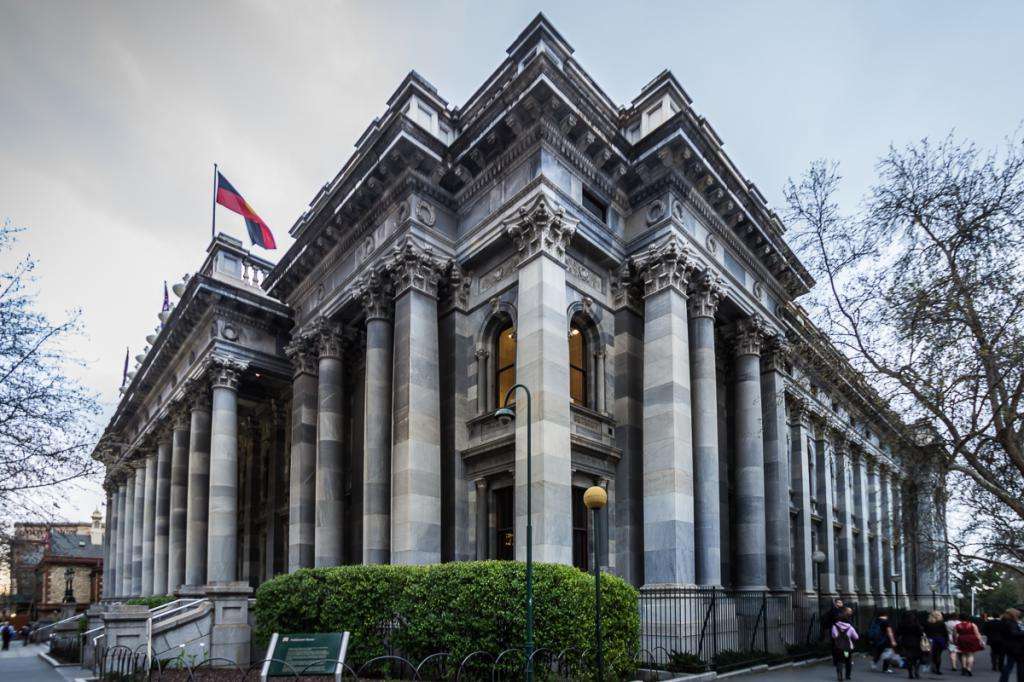
SA Ombudsman warns MPs over secrecy law breaches and possible prosecution - Adelaide, SA
Smart summary
South Australian Ombudsman Emily Strickland has warned all state MPs that leaking confidential information connected to Ombudsman investigations could result in criminal action, including possible prosecution under se...
South Australia’s Ombudsman Emily Strickland has issued a formal warning to all members of state parliament after concerns that confidential information linked to an Ombudsman matter may have been improperly disclosed.
In a letter sent to MPs, Ms Strickland reminded politicians of their legal responsibilities under the Ombudsman Act 1972, particularly the confidentiality requirements covering complaints, assessments, investigations and reports handled by her office. She warned that unauthorised disclosure of protected information is a criminal offence.
The warning follows an allegation made in 2025 that a South Australian MP may have breached secrecy obligations by disclosing information connected to an Ombudsman matter. After reviewing the complaint, the Ombudsman’s office decided not to take further action against the individual MP, but the incident prompted a broader reminder to all parliamentarians about their obligations.
Under section 29A of the Ombudsman Act, information relating to Ombudsman complaints, investigations, referrals or evaluations cannot be disclosed unless authorised by legislation, the Ombudsman or another lawful authority. A breach can attract penalties, including a fine of up to $2,500 or up to six months’ imprisonment.
Ms Strickland said confidentiality rules are essential to maintaining the integrity of investigations and protecting the reputations of individuals, public servants and government agencies involved in Ombudsman matters. She said leaks could undermine public confidence in independent oversight processes.
The Ombudsman also confirmed her office is reviewing policies around confidentiality breaches and how future allegations involving unauthorised disclosures will be handled. She said any future breaches may be referred for prosecution or examined as potential misconduct or maladministration under the Act.
The warning comes amid broader discussions in South Australia about secrecy laws and the balance between protecting confidential information and ensuring accountability within government institutions.
Integrity agencies have previously raised concerns that strict secrecy provisions can create challenges for oversight and investigations. South Australia’s Inspector of Integrity Agencies, Sam Abbott KC, has argued that some secrecy provisions across integrity laws can make independent oversight more difficult because investigators may face restrictions when accessing sensitive information.
The State Government welcomed Ms Strickland’s communication with MPs, particularly as a reminder for newer parliamentarians about the responsibilities attached to their roles.
The Opposition’s response has been sought regarding the Ombudsman’s warning.
The issue highlights the importance of confidentiality in integrity investigations, where information often involves complaints against government agencies, public officers or individuals. Supporters of strict secrecy rules argue they protect fairness and prevent reputational damage before investigations are complete, while critics continue to debate whether current laws provide the right balance between transparency and accountability.
For South Australian MPs, the message from the Ombudsman is clear: information received through confidential oversight processes must be handled carefully, and future breaches could result in legal consequences.
South Australia’s Ombudsman Emily Strickland has issued a formal warning to all members of state parliament after concerns that confidential information linked to an Ombudsman matter may have been improperly disclosed.
In a letter sent to MPs, Ms Strickland reminded politicians of their legal responsibilities under the Ombudsman Act 1972, particularly the confidentiality requirements covering complaints, assessments, investigations and reports handled by her office. She warned that unauthorised disclosure of protected information is a criminal offence.
The warning follows an allegation made in 2025 that a South Australian MP may have breached secrecy obligations by disclosing information connected to an Ombudsman matter. After reviewing the complaint, the Ombudsman’s office decided not to take further action against the individual MP, but the incident prompted a broader reminder to all parliamentarians about their obligations.
Under section 29A of the Ombudsman Act, information relating to Ombudsman complaints, investigations, referrals or evaluations cannot be disclosed unless authorised by legislation, the Ombudsman or another lawful authority. A breach can attract penalties, including a fine of up to $2,500 or up to six months’ imprisonment.
Ms Strickland said confidentiality rules are essential to maintaining the integrity of investigations and protecting the reputations of individuals, public servants and government agencies involved in Ombudsman matters. She said leaks could undermine public confidence in independent oversight processes.
The Ombudsman also confirmed her office is reviewing policies around confidentiality breaches and how future allegations involving unauthorised disclosures will be handled. She said any future breaches may be referred for prosecution or examined as potential misconduct or maladministration under the Act.
The warning comes amid broader discussions in South Australia about secrecy laws and the balance between protecting confidential information and ensuring accountability within government institutions.
Integrity agencies have previously raised concerns that strict secrecy provisions can create challenges for oversight and investigations. South Australia’s Inspector of Integrity Agencies, Sam Abbott KC, has argued that some secrecy provisions across integrity laws can make independent oversight more difficult because investigators may face restrictions when accessing sensitive information.
The State Government welcomed Ms Strickland’s communication with MPs, particularly as a reminder for newer parliamentarians about the responsibilities attached to their roles.
The Opposition’s response has been sought regarding the Ombudsman’s warning.
The issue highlights the importance of confidentiality in integrity investigations, where information often involves complaints against government agencies, public officers or individuals. Supporters of strict secrecy rules argue they protect fairness and prevent reputational damage before investigations are complete, while critics continue to debate whether current laws provide the right balance between transparency and accountability.
For South Australian MPs, the message from the Ombudsman is clear: information received through confidential oversight processes must be handled carefully, and future breaches could result in legal consequences.
The Federal Government is preparing new measures targeting temporary visas, visa overstayers, international students and visa-hopping, while maintaining...
One Nation’s proposed major reduction in migration has triggered warnings that a sharp cut to population growth could weaken Australia’s economy and cre...
New community information initiatives are helping residents access emergency warnings and local support as Port Augusta and the wider region prepare for...
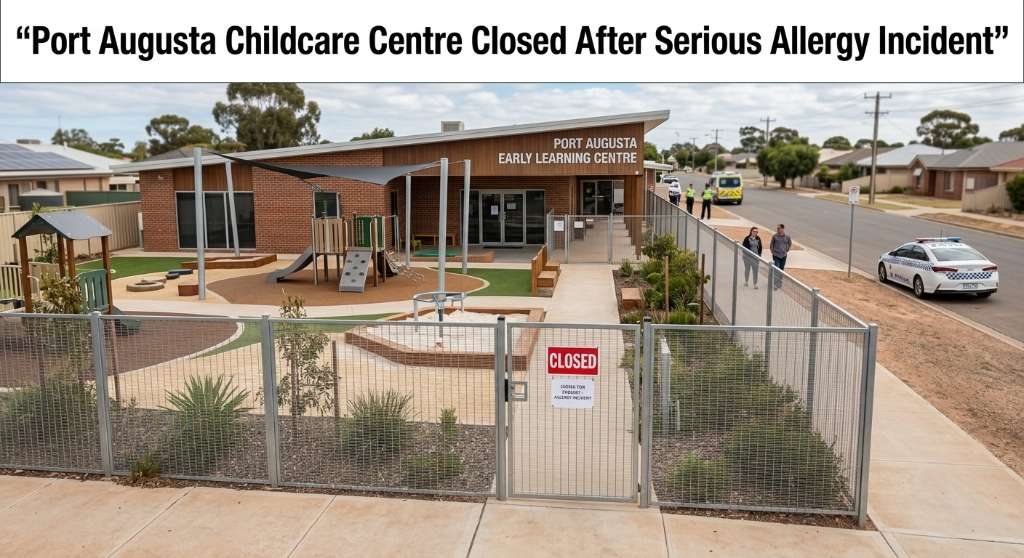
An Edge Early Learning centre in Port Augusta has been ordered to close for two weeks after a child with allergies was hospitalised after being given fo...
A 44-year-old man has been jailed after police found suspected methamphetamine, GHB and more than $40,000 in cash before he travelled towards Mount Gamb...
Cairns Regional Council has unanimously voted to seek $400,000 in Queensland Government funding for a program designed to connect local businesses with the region’s growing film...
An automated external defibrillator and memorial plaque have been installed at Ellery Creek Big Hole following the death of disability advocate Ellen Fr...
Queensland firefighters spent several hours monitoring a significant grass fire at Mary Kinross Park in Bargara, near Bundaberg, after the blaze broke out on Wednesday evening....