Warrnambool MP Faces Questions Over Local Issues and Parliamentary Advocacy
By Neha Maurya · Published 06 Jul 2026 · Updated 06 Jul 2026
Warrnambool, Victoria · Victoria News
Safety note: Admin approval is an initial review, not a guarantee that every detail is correct. Check important or urgent claims with official sources and report anything inaccurate or unsafe.
Source and credit: Contributor's own report
Warrnambool MP Faces Questions Over Local Issues and Parliamentary Advocacy - Warrnambool, Victoria
Smart summary
Victorian MP Jacinta Ermacora is facing criticism after questions were raised about how frequently key local concerns—including regional rail services, road maintenance, and healthcare infrastructure—have been address...
Victorian Labor MP Jacinta Ermacora, who represents the electorate of Western Victoria, has come under scrutiny following questions about her parliamentary advocacy on several key issues affecting the Warrnambool region.
The discussion centres on whether major local concerns—including the reliability of regional train services, deteriorating roads, and the long-awaited installation of a PET scanner at Warrnambool Base Hospital—have received sufficient attention in the Victorian Parliament. Political analysts say these are among the most significant issues raised regularly by residents across south-west Victoria.
According to the report, repeated service disruptions on the Warrnambool V/Line rail corridor continue to frustrate commuters, while potholes and deteriorating road conditions remain a major concern for motorists travelling throughout the region. Community groups have also continued to campaign for improved healthcare services, particularly access to advanced diagnostic equipment such as a PET scanner, which would reduce the need for patients to travel long distances for specialist scans.
The article notes that questions directed to Ms Ermacora regarding these issues were not answered before publication. A political expert interviewed by the publication said regional MPs are often judged by how effectively they raise local matters in Parliament and advocate for government investment in their electorates.
Residents in the Warrnambool region have consistently identified transport, healthcare and road maintenance as priority issues. Reliable rail services are particularly important for people commuting to Melbourne for work, education and medical appointments. Likewise, better road infrastructure is seen as essential for supporting freight transport, tourism and everyday travel throughout south-west Victoria.
Healthcare access has also remained a significant topic of discussion. Community leaders argue that expanding specialist medical services locally would improve patient outcomes and reduce the financial and emotional burden associated with travelling to larger metropolitan hospitals.
While criticism has emerged over parliamentary representation, local political observers note that infrastructure funding and healthcare upgrades typically involve long-term planning and cooperation between multiple government departments. Decisions on major projects often extend beyond the role of a single MP.
The debate highlights the broader expectations placed on regional representatives to ensure local concerns remain visible within state politics. As communities continue to seek improvements in transport, healthcare and public infrastructure, advocacy in Parliament is likely to remain an important measure of political performance.
HealthcareIssuesWarrnamboolPoliticalServices
Victorian Labor MP Jacinta Ermacora, who represents the electorate of Western Victoria, has come under scrutiny following questions about her parliamentary advocacy on several key issues affecting the Warrnambool region.
The discussion centres on whether major local concerns—including the reliability of regional train services, deteriorating roads, and the long-awaited installation of a PET scanner at Warrnambool Base Hospital—have received sufficient attention in the Victorian Parliament. Political analysts say these are among the most significant issues raised regularly by residents across south-west Victoria.
According to the report, repeated service disruptions on the Warrnambool V/Line rail corridor continue to frustrate commuters, while potholes and deteriorating road conditions remain a major concern for motorists travelling throughout the region. Community groups have also continued to campaign for improved healthcare services, particularly access to advanced diagnostic equipment such as a PET scanner, which would reduce the need for patients to travel long distances for specialist scans.
The article notes that questions directed to Ms Ermacora regarding these issues were not answered before publication. A political expert interviewed by the publication said regional MPs are often judged by how effectively they raise local matters in Parliament and advocate for government investment in their electorates.
Residents in the Warrnambool region have consistently identified transport, healthcare and road maintenance as priority issues. Reliable rail services are particularly important for people commuting to Melbourne for work, education and medical appointments. Likewise, better road infrastructure is seen as essential for supporting freight transport, tourism and everyday travel throughout south-west Victoria.
Healthcare access has also remained a significant topic of discussion. Community leaders argue that expanding specialist medical services locally would improve patient outcomes and reduce the financial and emotional burden associated with travelling to larger metropolitan hospitals.
While criticism has emerged over parliamentary representation, local political observers note that infrastructure funding and healthcare upgrades typically involve long-term planning and cooperation between multiple government departments. Decisions on major projects often extend beyond the role of a single MP.
The debate highlights the broader expectations placed on regional representatives to ensure local concerns remain visible within state politics. As communities continue to seek improvements in transport, healthcare and public infrastructure, advocacy in Parliament is likely to remain an important measure of political performance.
New South Wales senator David Shoebridge has been elected leader of the Australian Greens following an internal party-room ballot, succeeding Larissa Wa...
Young people from regional and remote Queensland communities are participating in youth councils and a state youth parliament, raising issues such as di...
Wodonga councillors have extended the Two Cities One Community agreement with Albury until 2030, despite criticism from one councillor over the value of...
A Queensland government audit has identified gaps in record-keeping around social housing applications cancelled because applicants could not be contact...
A man has died after being hit by a car on the Midland Highway near Magpie, south of Ballarat. Police are investigating the circumstances of the collisi...
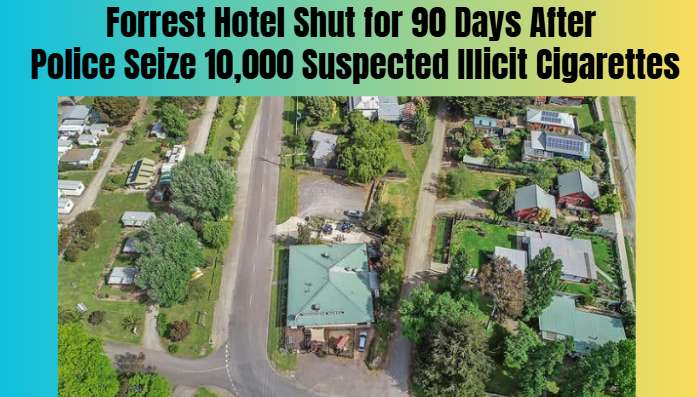
Police have closed a hotel in Forrest, Victoria, for 90 days after seizing approximately 10,000 suspected illicit cigarettes, loose tobacco and cash dur...
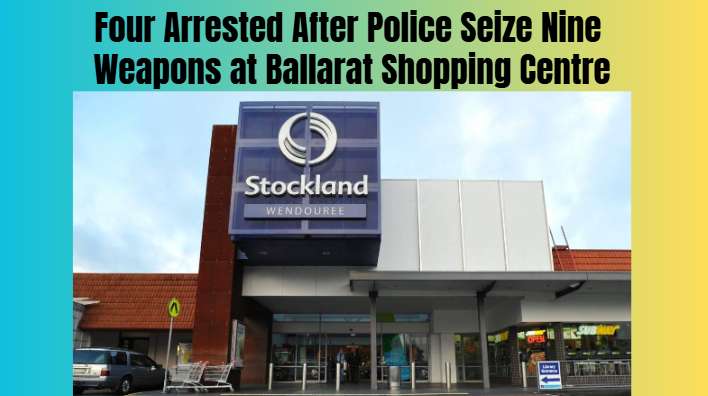
Victoria Police seized nine weapons and arrested four people during a targeted operation involving more than 300 searches at Stockland Plaza in Ballarat.
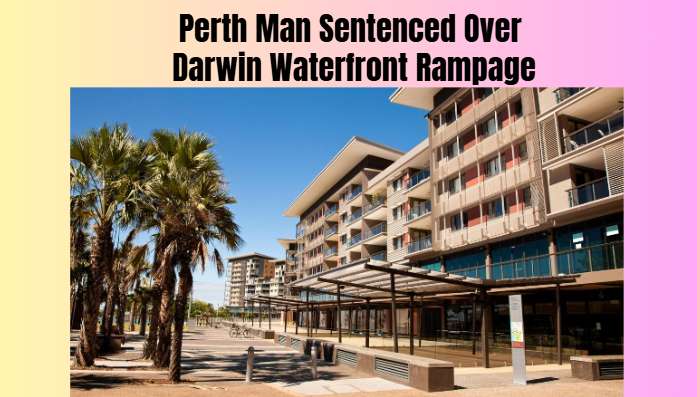
A 36-year-old man extradited from Perth has received a suspended prison sentence after being convicted over a violent incident involving four people at...
Darwin's Frontier Bar and Grill manager Aston Bell has received two industry awards, recognising her leadership, customer service and contribution to th...
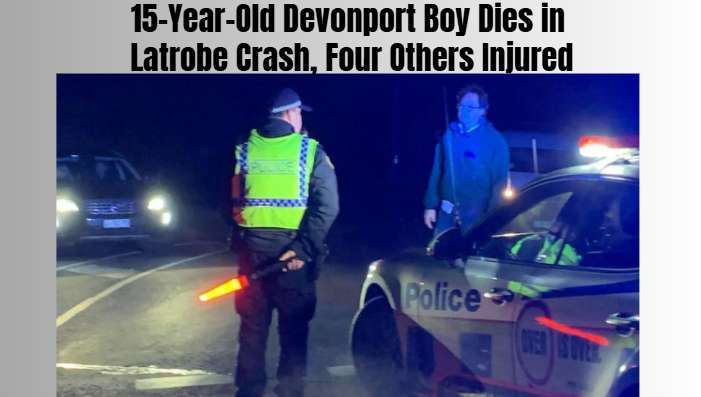
A teenager from Devonport has died and four other people were injured after a serious crash involving a ute on Mersey Main Road near Latrobe, Tasmania.