Safety note: Admin approval is an initial review, not a guarantee that every detail is correct. Check important or urgent claims with official sources and report anything inaccurate or unsafe.
Source and credit: Contributor's own report
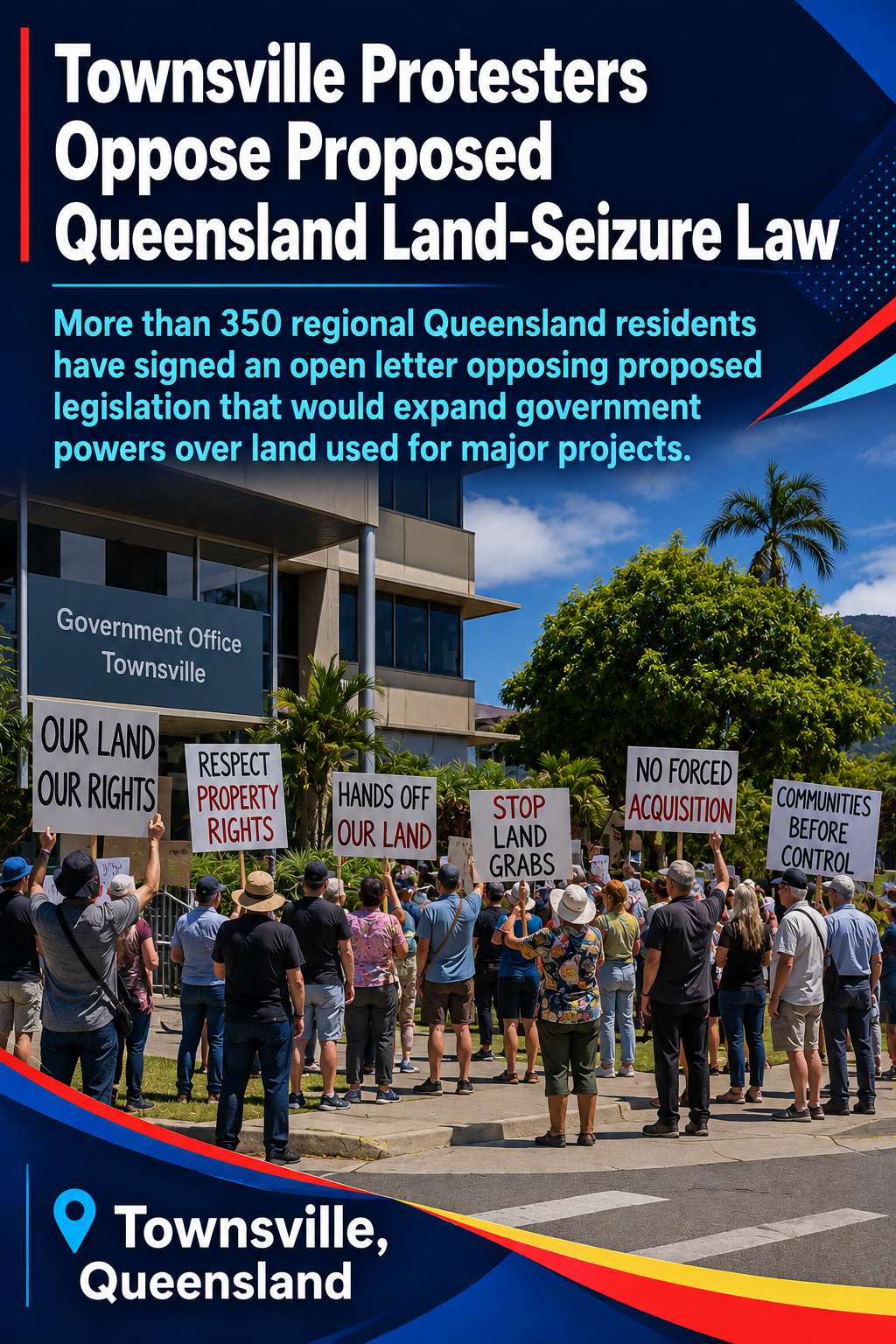
Townsville Protesters Oppose Proposed Queensland Land-Seizure Law - Townsville, QLD
Smart summary
More than 350 regional Queensland residents have signed an open letter opposing proposed legislation that would expand government powers over land used for major projects.
More than 350 regional Queensland residents have signed an open letter calling on Townsville MP Adam Baillie to oppose proposed legislation that critics say could give the state greater powers to acquire private land for projects classified as strategically important.
Protesters gathered outside Baillie's Townsville office on Friday, urging him to oppose the proposed changes. The office was closed because of security concerns.
The legislation is intended to support major projects, including developments connected with critical minerals, infrastructure and other strategic industries. Supporters argue the reforms could help Queensland attract investment and accelerate projects considered important to the state's economy.
Opponents, however, have raised concerns about private property rights and the potential impact on landholders. They argue that expanding compulsory-acquisition powers could reduce the ability of communities and individual landowners to challenge major developments.
The open letter has attracted support from regional residents, including primary producers and advocacy groups concerned about the proposed changes.
Environmental and Indigenous representatives have also expressed concerns about possible changes to environmental assessment and community consultation processes.
The Queensland Government has defended the legislation, arguing that appropriate safeguards would remain in place while the reforms would help create jobs and attract investment.
The debate is particularly significant in regional Queensland, where large mining, agricultural, tourism and infrastructure projects can require substantial areas of land.
For landowners, the issue involves questions about how private property rights should be balanced against broader economic development objectives.
The proposed reforms have also generated debate about how communities should participate in decisions involving large-scale projects.
Critics say residents should have meaningful opportunities to raise objections and have environmental and social impacts properly assessed before projects proceed.
Government representatives maintain that Queensland needs an efficient framework for major strategic projects and that existing protections would continue to apply.
The disagreement reflects a wider debate across regional Queensland about development, investment and the rights of landholders.
Further parliamentary consideration will determine the future of the proposed legislation.
ProjectsQueenslandProposedLegislationRegional
More than 350 regional Queensland residents have signed an open letter calling on Townsville MP Adam Baillie to oppose proposed legislation that critics say could give the state greater powers to acquire private land for projects classified as strategically important.
Protesters gathered outside Baillie's Townsville office on Friday, urging him to oppose the proposed changes. The office was closed because of security concerns.
The legislation is intended to support major projects, including developments connected with critical minerals, infrastructure and other strategic industries. Supporters argue the reforms could help Queensland attract investment and accelerate projects considered important to the state's economy.
Opponents, however, have raised concerns about private property rights and the potential impact on landholders. They argue that expanding compulsory-acquisition powers could reduce the ability of communities and individual landowners to challenge major developments.
The open letter has attracted support from regional residents, including primary producers and advocacy groups concerned about the proposed changes.
Environmental and Indigenous representatives have also expressed concerns about possible changes to environmental assessment and community consultation processes.
The Queensland Government has defended the legislation, arguing that appropriate safeguards would remain in place while the reforms would help create jobs and attract investment.
The debate is particularly significant in regional Queensland, where large mining, agricultural, tourism and infrastructure projects can require substantial areas of land.
For landowners, the issue involves questions about how private property rights should be balanced against broader economic development objectives.
The proposed reforms have also generated debate about how communities should participate in decisions involving large-scale projects.
Critics say residents should have meaningful opportunities to raise objections and have environmental and social impacts properly assessed before projects proceed.
Government representatives maintain that Queensland needs an efficient framework for major strategic projects and that existing protections would continue to apply.
The disagreement reflects a wider debate across regional Queensland about development, investment and the rights of landholders.
Further parliamentary consideration will determine the future of the proposed legislation.
Treasurer Jim Chalmers says the federal budget bottom line has improved by $6 billion compared with the May forecast, while the government faces pressur...
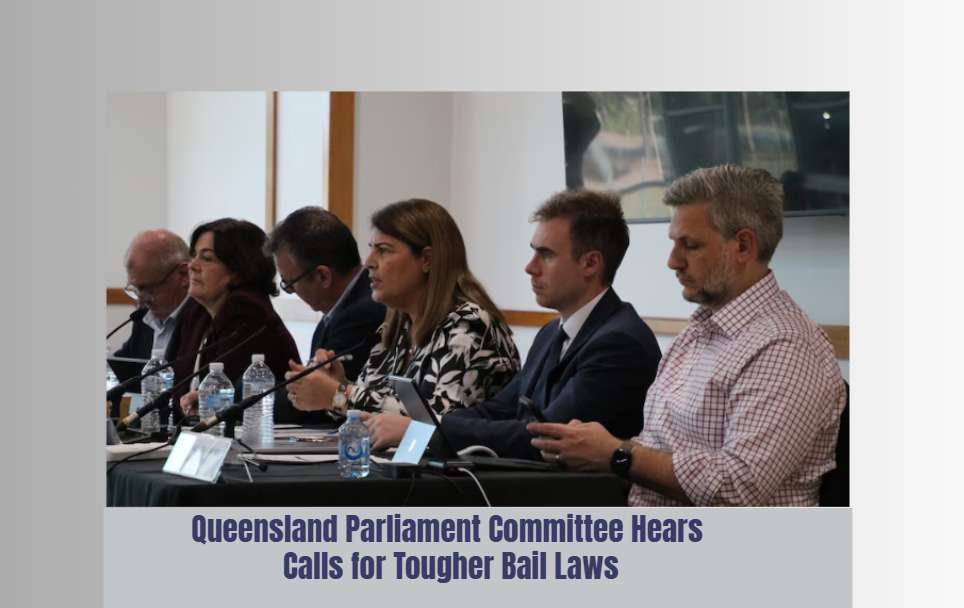
A Queensland parliamentary committee has completed regional hearings on proposed tougher bail laws, hearing from crime victims, legal experts and commun...
Prime Minister Anthony Albanese has launched Australia's campaign for a two-year seat on the United Nations Security Council while signing a decade-long...
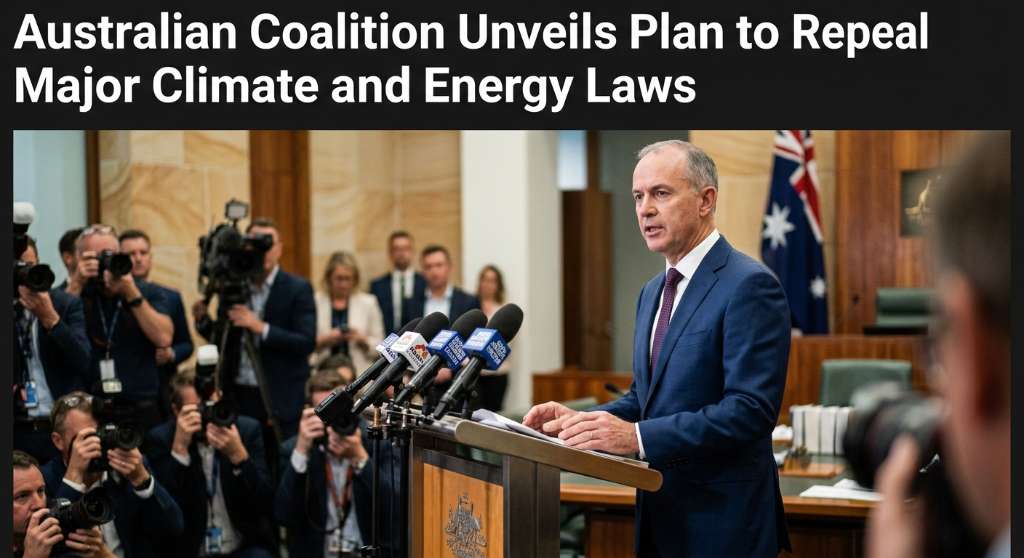
The federal Coalition has released an eight-point energy policy proposing changes to Australia's climate legislation, offshore wind zones, vehicle effic...
A 50-year-old man has died after being struck by a vehicle in Fernvale, west of Brisbane, with police launching a homicide investigation and arresting a...
Amateur astronomers are using new telescope technology to photograph the Moon, planets and distant galaxies from Brisbane homes, showing that city skies...
Severe weather in Melbourne has caused flight disruptions from Brisbane, with at least one flight cancelled and other services delayed as passengers tra...
Treasurer Jim Chalmers says the federal budget bottom line has improved by $6 billion compared with the May forecast, while the government faces pressur...
Northern Territory Police are investigating a series of alleged aggravated burglaries in Alice Springs after up to seven homes in the Araluen area were...