Safety note: Admin approval is an initial review, not a guarantee that every detail is correct. Check important or urgent claims with official sources and report anything inaccurate or unsafe.
Source and credit: Contributor's own report
SA doctor banned after making sexual advances towards patient during home visit - Adelaide, SA
Smart summary
A South Australian doctor has been disqualified from practising after a tribunal found he seriously breached professional boundaries by making unwanted sexual advances towards a patient during a home visit and continu...
A South Australian doctor has been banned from practising medicine after a tribunal found he committed serious professional misconduct by abusing the trust placed in him as a healthcare provider.
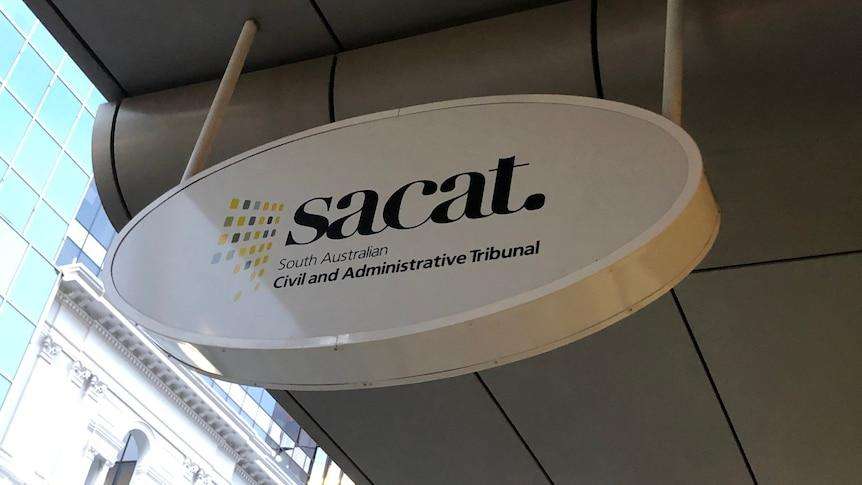
The doctor, Dr Aftab Cheema, was disqualified by the South Australian Civil and Administrative Tribunal (SACAT) from applying for registration again as a health practitioner for five years. The tribunal also prohibited him from providing health services or using medical titles during that period.
The case involved a late-night home visit in March 2020, when Dr Cheema was working as a locum doctor. During the visit, the tribunal found he engaged in inappropriate behaviour towards a female patient, including making unwanted sexual advances. The tribunal described his actions as a serious violation of the doctor–patient relationship and a major breach of professional trust.
The tribunal heard that the doctor continued contacting the patient after the consultation, despite the patient not consenting to an ongoing personal relationship. The decision highlighted concerns about the misuse of a position of authority, where patients are often vulnerable and rely on doctors for care, support and professional guidance.
Medical regulators require doctors to maintain clear boundaries with patients. Professional standards prohibit practitioners from using their position to pursue personal or sexual relationships with current patients because of the imbalance of power and trust involved.
The tribunal found that Dr Cheema showed insufficient remorse and limited evidence of rehabilitation. It determined that stronger action was required to protect patients and maintain confidence in the healthcare system.
The decision follows a series of cases across Australia where medical practitioners have faced disciplinary action for inappropriate relationships or sexual misconduct involving patients. Regulators have repeatedly stressed that patient safety and trust must remain central to healthcare practice.
In another South Australian case, GP Indren Moodley was banned for four years after a tribunal found he exploited a vulnerable patient and seriously breached professional boundaries. The case reinforced that doctors have a responsibility to recognise and manage the power imbalance between themselves and patients.
Health authorities say patients who experience inappropriate behaviour from medical professionals can report concerns to the Australian Health Practitioner Regulation Agency (AHPRA) or relevant health complaints bodies.
The latest ruling highlights the importance of accountability within the medical profession and the need for strong protections for patients. While most healthcare professionals provide safe and ethical care, regulators continue to act against practitioners whose behaviour undermines public confidence in medical services.
For patients, the decision serves as a reminder that professional boundaries are a fundamental part of safe healthcare. Doctors are trusted with personal information, medical decisions and access to vulnerable moments in people’s lives, and that trust carries significant responsibilities.
PatientsTribunalMedicalPatientDoctor
A South Australian doctor has been banned from practising medicine after a tribunal found he committed serious professional misconduct by abusing the trust placed in him as a healthcare provider.
The doctor, Dr Aftab Cheema, was disqualified by the South Australian Civil and Administrative Tribunal (SACAT) from applying for registration again as a health practitioner for five years. The tribunal also prohibited him from providing health services or using medical titles during that period.
The case involved a late-night home visit in March 2020, when Dr Cheema was working as a locum doctor. During the visit, the tribunal found he engaged in inappropriate behaviour towards a female patient, including making unwanted sexual advances. The tribunal described his actions as a serious violation of the doctor–patient relationship and a major breach of professional trust.
The tribunal heard that the doctor continued contacting the patient after the consultation, despite the patient not consenting to an ongoing personal relationship. The decision highlighted concerns about the misuse of a position of authority, where patients are often vulnerable and rely on doctors for care, support and professional guidance.
Medical regulators require doctors to maintain clear boundaries with patients. Professional standards prohibit practitioners from using their position to pursue personal or sexual relationships with current patients because of the imbalance of power and trust involved.
The tribunal found that Dr Cheema showed insufficient remorse and limited evidence of rehabilitation. It determined that stronger action was required to protect patients and maintain confidence in the healthcare system.
The decision follows a series of cases across Australia where medical practitioners have faced disciplinary action for inappropriate relationships or sexual misconduct involving patients. Regulators have repeatedly stressed that patient safety and trust must remain central to healthcare practice.
In another South Australian case, GP Indren Moodley was banned for four years after a tribunal found he exploited a vulnerable patient and seriously breached professional boundaries. The case reinforced that doctors have a responsibility to recognise and manage the power imbalance between themselves and patients.
Health authorities say patients who experience inappropriate behaviour from medical professionals can report concerns to the Australian Health Practitioner Regulation Agency (AHPRA) or relevant health complaints bodies.
The latest ruling highlights the importance of accountability within the medical profession and the need for strong protections for patients. While most healthcare professionals provide safe and ethical care, regulators continue to act against practitioners whose behaviour undermines public confidence in medical services.
For patients, the decision serves as a reminder that professional boundaries are a fundamental part of safe healthcare. Doctors are trusted with personal information, medical decisions and access to vulnerable moments in people’s lives, and that trust carries significant responsibilities.
New funding from local charity Wishlist is improving communication support for patients at Bundaberg Hospital, with resources designed to help people communicate more effectivel...
New figures have renewed concerns about emergency department delays at Royal Hobart Hospital, with the health system facing questions over patient waiti...
Central Coast New South Wales · Health News · 10 Sep 2026
The design for new Key Health Worker Accommodation at Wyong has been released today, with the project aimed at helping address the need for suitable accommodation for healthcare...
New community information initiatives are helping residents access emergency warnings and local support as Port Augusta and the wider region prepare for...
An Edge Early Learning centre in Port Augusta has been ordered to close for two weeks after a child with allergies was hospitalised after being given fo...
A 44-year-old man has been jailed after police found suspected methamphetamine, GHB and more than $40,000 in cash before he travelled towards Mount Gamb...
Cairns Regional Council has unanimously voted to seek $400,000 in Queensland Government funding for a program designed to connect local businesses with the region’s growing film...
An automated external defibrillator and memorial plaque have been installed at Ellery Creek Big Hole following the death of disability advocate Ellen Fr...
Queensland firefighters spent several hours monitoring a significant grass fire at Mary Kinross Park in Bargara, near Bundaberg, after the blaze broke out on Wednesday evening....