Safety note: Admin approval is an initial review, not a guarantee that every detail is correct. Check important or urgent claims with official sources and report anything inaccurate or unsafe.
Source and credit: Contributor's own report
New North Queensland wildlife hospital takes major step forward as first phase arrives in Townsville - Townsville, QLD
Smart summary
A new dedicated wildlife hospital is taking shape in Townsville, with the first phase of the Wildhaven North Queensland Wildlife Hospital arriving as the region prepares for a major boost in native animal care service...
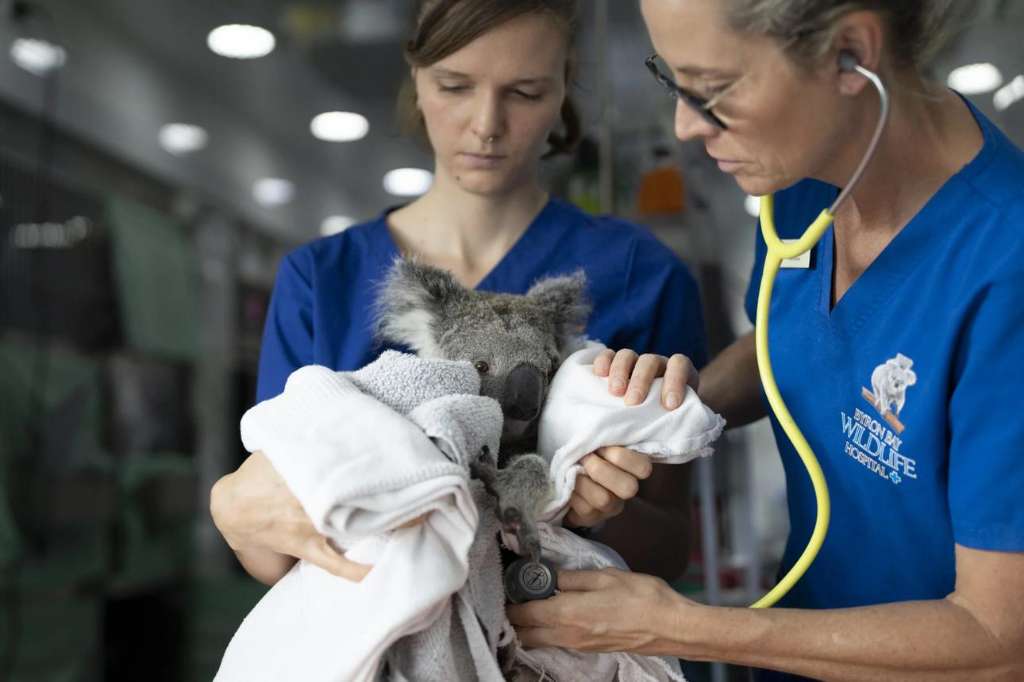
A new wildlife hospital designed to transform native animal care in North Queensland has reached a major milestone, with the first stage of the facility arriving in Townsville.
The Wildhaven North Queensland Wildlife Hospital is being established in Hermit Park, creating what supporters describe as the first dedicated wildlife hospital north of the Sunshine Coast focused specifically on treating native Australian animals. The project is designed to address a long-standing gap in specialised wildlife veterinary services across the region.
The arrival of the hospital's first modular building marks the beginning of construction and preparation works at the site. The expandable facility will provide purpose-built spaces for treating injured wildlife, including native birds, mammals, reptiles and other Australian species requiring emergency veterinary care.
Wildhaven directors said the hospital was needed because many injured animals in North Queensland currently face limited treatment options due to a shortage of specialist facilities and resources. In some cases, wildlife carers have had to make difficult decisions when appropriate veterinary treatment was unavailable. The new hospital aims to provide another pathway for rehabilitation and recovery.
The facility is expected to treat thousands of native animals annually once fully operational. Plans indicate the hospital could eventually support the care of around 10,000 native animals each year, although the final capacity will depend on ongoing community support, funding and operational resources.
The project is being developed alongside a new 24-hour commercial veterinary clinic, with both facilities sharing some advanced equipment while operating independently. Shared resources such as diagnostic technology will help reduce initial costs and improve access to specialised animal care in the region.
Townsville already has a strong network of volunteer wildlife carers who respond to thousands of calls for assistance every year. Local groups such as NQ Wildlife Care provide rescue and rehabilitation support for injured and orphaned native animals across the region, dealing with species including birds, bats, possums, reptiles and other wildlife.
Supporters say the new hospital will complement the work of volunteer organisations by providing professional veterinary treatment and specialist facilities that are currently limited in North Queensland. The project is also expected to increase community awareness about wildlife conservation and encourage stronger protection of local native species.
The hospital is scheduled to open by the end of October, with redevelopment works continuing at the Townsville site. The project represents a significant investment in regional animal welfare and conservation, giving wildlife carers, veterinarians and the community a dedicated centre to help injured animals survive and return to the wild where possible.
WildlifeHospitalNativeAnimalsNorth
A new wildlife hospital designed to transform native animal care in North Queensland has reached a major milestone, with the first stage of the facility arriving in Townsville.
The Wildhaven North Queensland Wildlife Hospital is being established in Hermit Park, creating what supporters describe as the first dedicated wildlife hospital north of the Sunshine Coast focused specifically on treating native Australian animals. The project is designed to address a long-standing gap in specialised wildlife veterinary services across the region.
The arrival of the hospital's first modular building marks the beginning of construction and preparation works at the site. The expandable facility will provide purpose-built spaces for treating injured wildlife, including native birds, mammals, reptiles and other Australian species requiring emergency veterinary care.
Wildhaven directors said the hospital was needed because many injured animals in North Queensland currently face limited treatment options due to a shortage of specialist facilities and resources. In some cases, wildlife carers have had to make difficult decisions when appropriate veterinary treatment was unavailable. The new hospital aims to provide another pathway for rehabilitation and recovery.
The facility is expected to treat thousands of native animals annually once fully operational. Plans indicate the hospital could eventually support the care of around 10,000 native animals each year, although the final capacity will depend on ongoing community support, funding and operational resources.
The project is being developed alongside a new 24-hour commercial veterinary clinic, with both facilities sharing some advanced equipment while operating independently. Shared resources such as diagnostic technology will help reduce initial costs and improve access to specialised animal care in the region.
Townsville already has a strong network of volunteer wildlife carers who respond to thousands of calls for assistance every year. Local groups such as NQ Wildlife Care provide rescue and rehabilitation support for injured and orphaned native animals across the region, dealing with species including birds, bats, possums, reptiles and other wildlife.
Supporters say the new hospital will complement the work of volunteer organisations by providing professional veterinary treatment and specialist facilities that are currently limited in North Queensland. The project is also expected to increase community awareness about wildlife conservation and encourage stronger protection of local native species.
The hospital is scheduled to open by the end of October, with redevelopment works continuing at the Townsville site. The project represents a significant investment in regional animal welfare and conservation, giving wildlife carers, veterinarians and the community a dedicated centre to help injured animals survive and return to the wild where possible.
New funding from local charity Wishlist is improving communication support for patients at Bundaberg Hospital, with resources designed to help people communicate more effectivel...
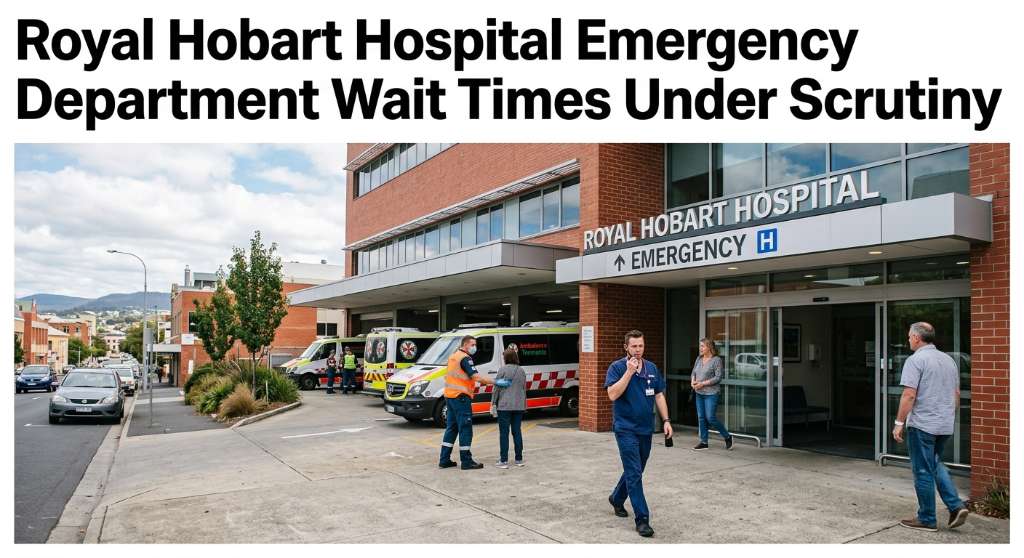
New figures have renewed concerns about emergency department delays at Royal Hobart Hospital, with the health system facing questions over patient waiti...
Central Coast New South Wales · Health News · 10 Sep 2026
The design for new Key Health Worker Accommodation at Wyong has been released today, with the project aimed at helping address the need for suitable accommodation for healthcare...
Queensland's emerging football prospects are coming together for a three-day Brisbane Lions State Academy showcase, giving young players an opportunity...
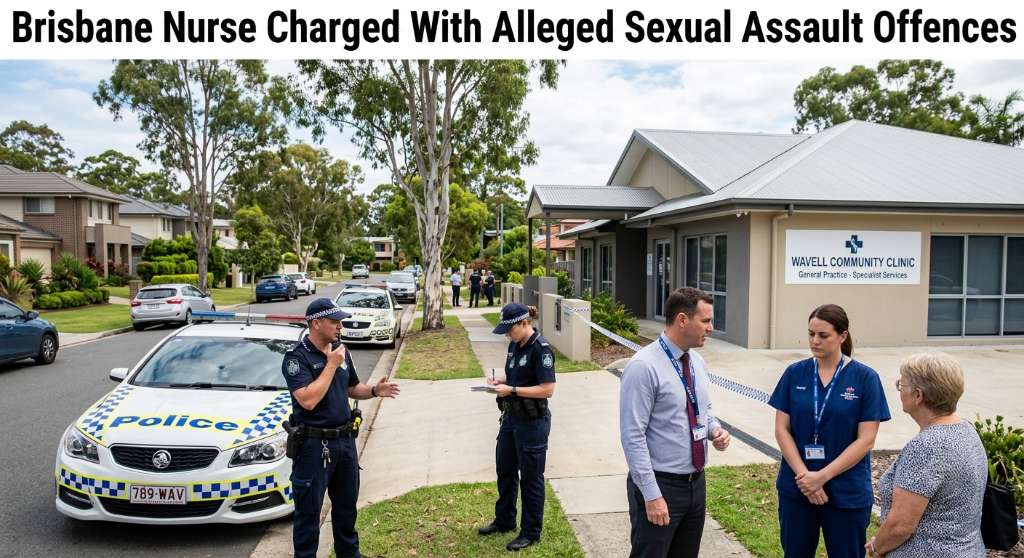
A Wavell Heights enrolled nurse has been charged with four counts of alleged sexual assault and one count of wilful exposure, with his professional regi...
A 24-year-old Carina Heights man has been charged with 36 offences following an investigation into alleged break-ins, vehicle offences and other propert...
Cairns Regional Council has unanimously voted to seek $400,000 in Queensland Government funding for a program designed to connect local businesses with the region’s growing film...
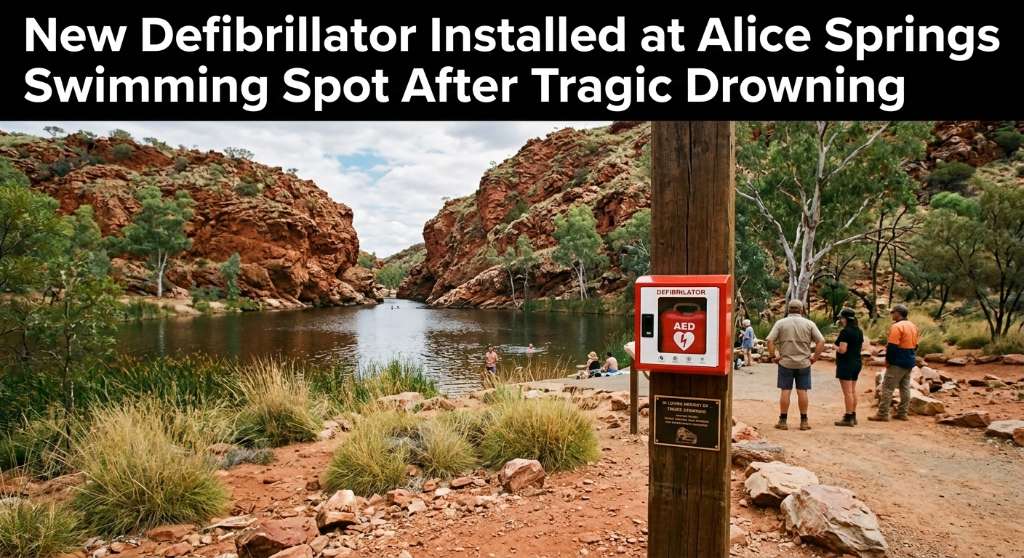
An automated external defibrillator and memorial plaque have been installed at Ellery Creek Big Hole following the death of disability advocate Ellen Fr...
Queensland firefighters spent several hours monitoring a significant grass fire at Mary Kinross Park in Bargara, near Bundaberg, after the blaze broke out on Wednesday evening....