Safety note: Admin approval is an initial review, not a guarantee that every detail is correct. Check important or urgent claims with official sources and report anything inaccurate or unsafe.
Source and credit: Contributor's own report
Gold Coast becomes Australia's most expensive rental market as prices hit record highs - Gold Coast, QLD
Smart summary
The Gold Coast has overtaken every other Australian city as the country's most expensive rental market, with soaring demand, limited housing supply and continued population growth pushing weekly rents to record levels.
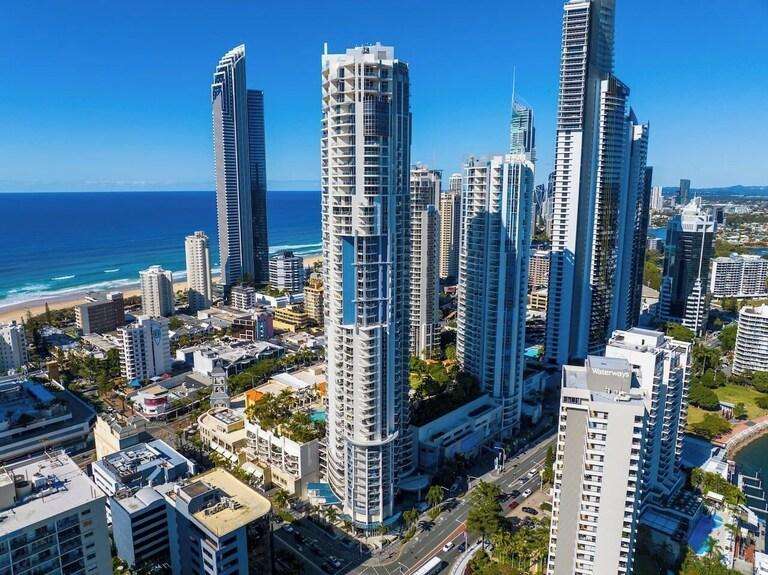
The Gold Coast has officially become Australia's most expensive place to rent, highlighting the growing pressure facing tenants across one of the nation's fastest-growing regions.
New housing data shows rental prices on the Gold Coast have climbed to record levels, surpassing traditionally expensive markets such as Sydney and Melbourne in several categories. The increase reflects a combination of strong population growth, limited rental availability and sustained demand from interstate migrants seeking the region's lifestyle and employment opportunities.
Property experts say the city's rental market has changed dramatically over the past five years. What was once viewed as a relatively affordable coastal alternative has become one of Australia's least affordable rental destinations. Families, students, essential workers and retirees are all competing for a shrinking number of available homes, resulting in intense competition and rapidly rising asking prices.
Many prospective tenants are attending inspections alongside dozens of other applicants, with some properties receiving multiple applications within hours of being listed. Real estate agents report that low vacancy rates continue to give landlords significant bargaining power, allowing rents to rise as demand consistently exceeds supply.
Housing advocates warn that the affordability crisis is affecting key workers across the city, including teachers, nurses, hospitality staff and emergency service personnel. As rental costs continue to increase, many workers are being forced to move further from their workplaces or consider leaving the region altogether. Community organisations have also reported increasing demand for housing assistance and emergency accommodation.
Several factors have contributed to the Gold Coast's rental surge. Continued migration from other states, particularly since the pandemic years, has increased housing demand. At the same time, new housing construction has struggled to keep pace with population growth, while historically low vacancy rates have limited the number of properties available for rent. Recent changes affecting property investors are also expected to influence future rental supply.
Industry analysts say the problem is unlikely to ease quickly. Although additional residential developments are underway across South East Queensland, demand continues to outstrip supply. Economists believe meaningful improvements will depend on significantly increasing housing construction while maintaining stable population growth. Until then, renters are expected to face continued affordability pressures.
The rental crisis has become one of Australia's most significant cost-of-living issues. Nationally, rents have reached record highs, with vacancy rates remaining historically low across most major cities. While Sydney remains Australia's most expensive capital city for many rental categories, the Gold Coast's rapid price growth has made it one of the toughest markets for tenants searching for affordable housing.
Local leaders continue calling for greater investment in affordable housing, faster planning approvals and incentives for new residential developments. They argue that without additional housing supply, rental affordability will remain a major challenge for residents and businesses alike.
RentalHousingCoastDemandGold
The Gold Coast has officially become Australia's most expensive place to rent, highlighting the growing pressure facing tenants across one of the nation's fastest-growing regions.
New housing data shows rental prices on the Gold Coast have climbed to record levels, surpassing traditionally expensive markets such as Sydney and Melbourne in several categories. The increase reflects a combination of strong population growth, limited rental availability and sustained demand from interstate migrants seeking the region's lifestyle and employment opportunities.
Property experts say the city's rental market has changed dramatically over the past five years. What was once viewed as a relatively affordable coastal alternative has become one of Australia's least affordable rental destinations. Families, students, essential workers and retirees are all competing for a shrinking number of available homes, resulting in intense competition and rapidly rising asking prices.
Many prospective tenants are attending inspections alongside dozens of other applicants, with some properties receiving multiple applications within hours of being listed. Real estate agents report that low vacancy rates continue to give landlords significant bargaining power, allowing rents to rise as demand consistently exceeds supply.
Housing advocates warn that the affordability crisis is affecting key workers across the city, including teachers, nurses, hospitality staff and emergency service personnel. As rental costs continue to increase, many workers are being forced to move further from their workplaces or consider leaving the region altogether. Community organisations have also reported increasing demand for housing assistance and emergency accommodation.
Several factors have contributed to the Gold Coast's rental surge. Continued migration from other states, particularly since the pandemic years, has increased housing demand. At the same time, new housing construction has struggled to keep pace with population growth, while historically low vacancy rates have limited the number of properties available for rent. Recent changes affecting property investors are also expected to influence future rental supply.
Industry analysts say the problem is unlikely to ease quickly. Although additional residential developments are underway across South East Queensland, demand continues to outstrip supply. Economists believe meaningful improvements will depend on significantly increasing housing construction while maintaining stable population growth. Until then, renters are expected to face continued affordability pressures.
The rental crisis has become one of Australia's most significant cost-of-living issues. Nationally, rents have reached record highs, with vacancy rates remaining historically low across most major cities. While Sydney remains Australia's most expensive capital city for many rental categories, the Gold Coast's rapid price growth has made it one of the toughest markets for tenants searching for affordable housing.
Local leaders continue calling for greater investment in affordable housing, faster planning approvals and incentives for new residential developments. They argue that without additional housing supply, rental affordability will remain a major challenge for residents and businesses alike.
A vehicle has crashed into a house in Albury, prompting police attendance at a residential property near the intersection of Mate and North streets. The incident was reported to...
A high-profile athlete has returned to court and told the hearing that an alleged unwanted kiss by former broadcaster Alan Jones remained difficult to f...
Work on the $150 million Sydney Town Hall Square project has been paused after the NSW Planning Minister referred the development for review by the Inde...
Queensland's emerging football prospects are coming together for a three-day Brisbane Lions State Academy showcase, giving young players an opportunity...
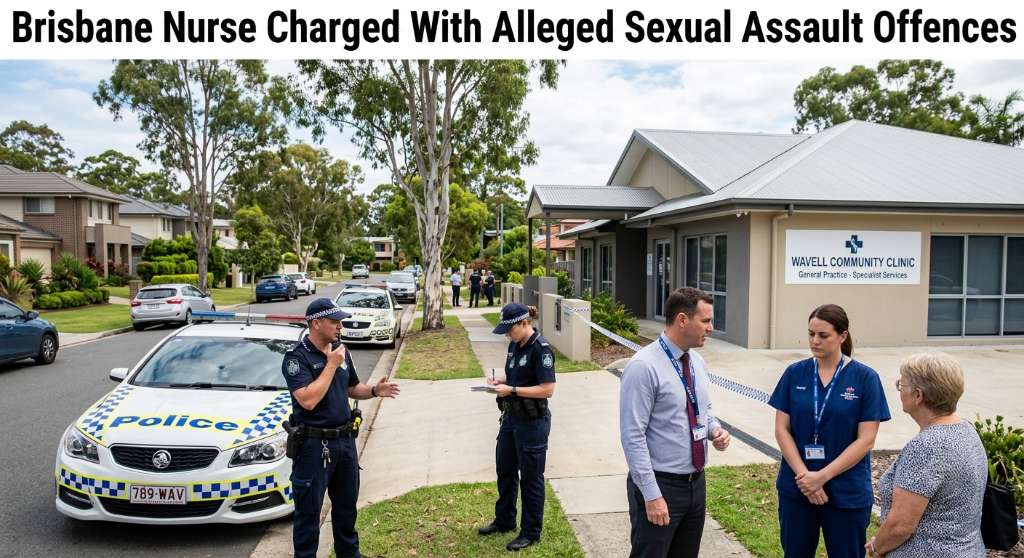
A Wavell Heights enrolled nurse has been charged with four counts of alleged sexual assault and one count of wilful exposure, with his professional regi...
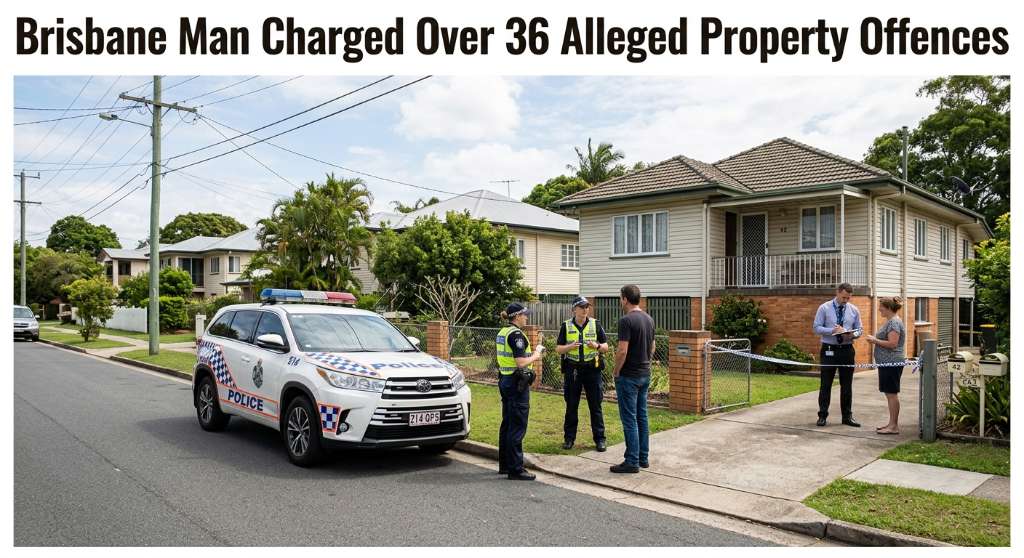
A 24-year-old Carina Heights man has been charged with 36 offences following an investigation into alleged break-ins, vehicle offences and other propert...
Cairns Regional Council has unanimously voted to seek $400,000 in Queensland Government funding for a program designed to connect local businesses with the region’s growing film...
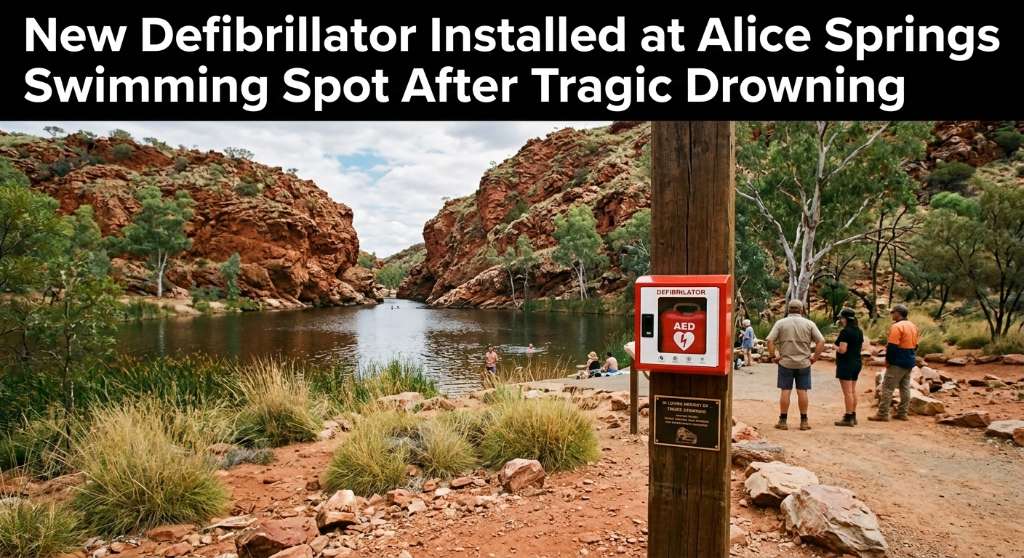
An automated external defibrillator and memorial plaque have been installed at Ellery Creek Big Hole following the death of disability advocate Ellen Fr...
Queensland firefighters spent several hours monitoring a significant grass fire at Mary Kinross Park in Bargara, near Bundaberg, after the blaze broke out on Wednesday evening....