Safety note: Admin approval is an initial review, not a guarantee that every detail is correct. Check important or urgent claims with official sources and report anything inaccurate or unsafe.
Source and credit: Contributor's own report
Australia falls further behind target to build 1.2 million homes - Canberra, ACT
Smart summary
New building figures show Australia is continuing to miss its ambitious National Housing Accord target, with construction activity remaining well below the pace required to deliver 1.2 million new homes by mid-2029, r...
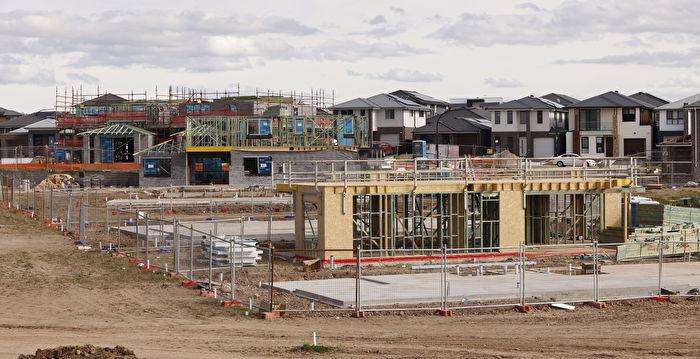
Australia is falling further behind its ambitious housing construction target, with new figures showing the nation remains well short of the pace needed to deliver 1.2 million new homes by June 2029 under the National Housing Accord. The latest building activity data has intensified concerns about the country's ongoing housing shortage and affordability crisis.
The latest data from the Australian Bureau of Statistics (ABS) shows that builders commenced 48,012 new dwellings during the March 2026 quarter. While this represented a slight improvement compared with the same period a year earlier, it was around 6,000 fewer homes than in the previous quarter, indicating that housing construction has lost momentum.
Since the National Housing Accord began in mid-2024, Australia has consistently struggled to meet the annual construction pace required to achieve its target. Industry analysis indicates the country has started work on only about 197,000 homes over the past year, significantly below the annual target of 240,000 dwellings. To recover the shortfall and still meet the 2029 deadline, Australia would now need to build more than 260,000 homes every year for the remainder of the program.
Housing industry groups say several factors are slowing construction. Higher interest rates have increased borrowing costs for developers and home buyers, while ongoing labour shortages, rising construction expenses and supply chain pressures continue to affect building projects. Recent changes to investor tax settings, including reforms to negative gearing and capital gains tax, are also expected to reduce investor activity and further limit new housing development.
Economists note that while detached house construction remains relatively stable, apartment and higher-density developments have experienced more significant declines. This is particularly concerning because medium and high-density housing is considered essential for addressing shortages in Australia's largest cities, where population growth continues to outpace housing supply.
Industry leaders warn that unless policy settings improve and investment confidence returns, Australia's housing supply gap will continue to widen. The Housing Industry Association (HIA) and other industry organisations have called for measures to reduce development costs, improve planning approvals and increase the construction workforce. They argue that stronger support for new housing projects will be essential if the national target is to remain achievable.
The shortfall comes as rental vacancies remain historically low and housing affordability continues to deteriorate across much of the country. Population growth, strong migration and limited new housing supply have combined to place sustained pressure on both renters and prospective home buyers. Analysts believe increasing the pace of home construction is critical to easing long-term affordability challenges.
While governments continue to promote initiatives aimed at boosting housing supply, the latest ABS figures suggest Australia remains well behind schedule. Without a substantial increase in new dwelling commencements over the coming years, experts warn the National Housing Accord target is unlikely to be achieved by its planned completion date in 2029.
HousingConstructionTargetHomesIndustry
Australia is falling further behind its ambitious housing construction target, with new figures showing the nation remains well short of the pace needed to deliver 1.2 million new homes by June 2029 under the National Housing Accord. The latest building activity data has intensified concerns about the country's ongoing housing shortage and affordability crisis.
The latest data from the Australian Bureau of Statistics (ABS) shows that builders commenced 48,012 new dwellings during the March 2026 quarter. While this represented a slight improvement compared with the same period a year earlier, it was around 6,000 fewer homes than in the previous quarter, indicating that housing construction has lost momentum.
Since the National Housing Accord began in mid-2024, Australia has consistently struggled to meet the annual construction pace required to achieve its target. Industry analysis indicates the country has started work on only about 197,000 homes over the past year, significantly below the annual target of 240,000 dwellings. To recover the shortfall and still meet the 2029 deadline, Australia would now need to build more than 260,000 homes every year for the remainder of the program.
Housing industry groups say several factors are slowing construction. Higher interest rates have increased borrowing costs for developers and home buyers, while ongoing labour shortages, rising construction expenses and supply chain pressures continue to affect building projects. Recent changes to investor tax settings, including reforms to negative gearing and capital gains tax, are also expected to reduce investor activity and further limit new housing development.
Economists note that while detached house construction remains relatively stable, apartment and higher-density developments have experienced more significant declines. This is particularly concerning because medium and high-density housing is considered essential for addressing shortages in Australia's largest cities, where population growth continues to outpace housing supply.
Industry leaders warn that unless policy settings improve and investment confidence returns, Australia's housing supply gap will continue to widen. The Housing Industry Association (HIA) and other industry organisations have called for measures to reduce development costs, improve planning approvals and increase the construction workforce. They argue that stronger support for new housing projects will be essential if the national target is to remain achievable.
The shortfall comes as rental vacancies remain historically low and housing affordability continues to deteriorate across much of the country. Population growth, strong migration and limited new housing supply have combined to place sustained pressure on both renters and prospective home buyers. Analysts believe increasing the pace of home construction is critical to easing long-term affordability challenges.
While governments continue to promote initiatives aimed at boosting housing supply, the latest ABS figures suggest Australia remains well behind schedule. Without a substantial increase in new dwelling commencements over the coming years, experts warn the National Housing Accord target is unlikely to be achieved by its planned completion date in 2029.
Sydney New South Wales · Population News · 08 May 2026
In a historic demographic shift, Generation Z (ages 18–29) has officially overtaken Millennials as the cohort most eager to abandon capital cities for a life in the regions. Acc...
The Federal Government is preparing new measures targeting temporary visas, visa overstayers, international students and visa-hopping, while maintaining...
One Nation’s proposed major reduction in migration has triggered warnings that a sharp cut to population growth could weaken Australia’s economy and cre...
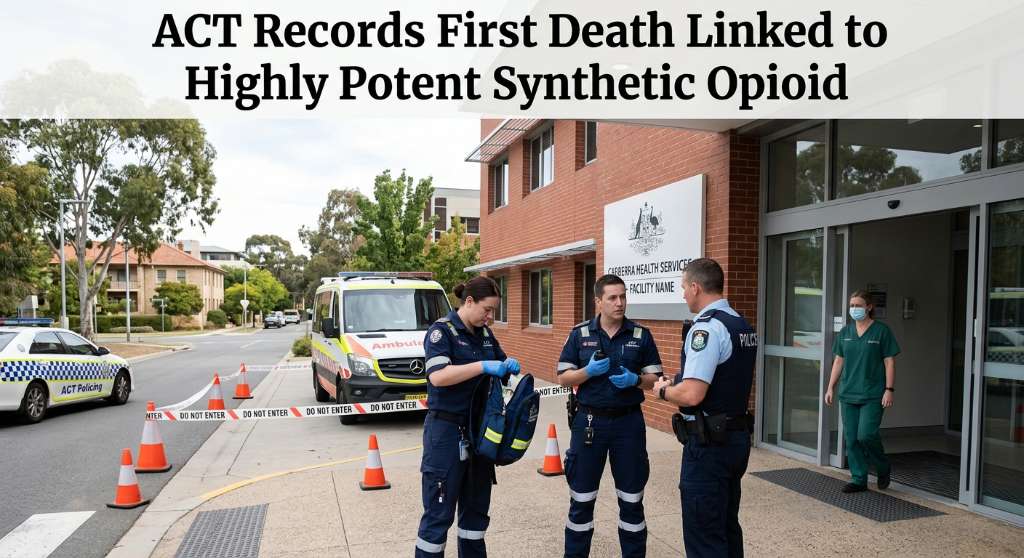
A Canberra woman has become the first person in the ACT whose death has been linked to a highly potent synthetic opioid, prompting renewed concern about...
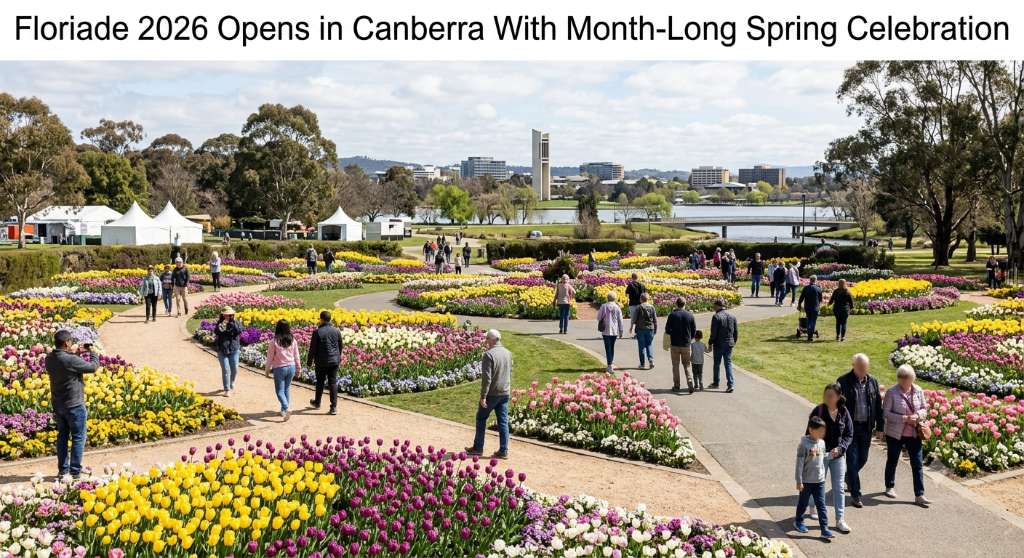
Canberra’s Commonwealth Park has welcomed visitors for the annual Floriade festival, bringing flowers, entertainment and spring activities to the city.
Cairns Regional Council has unanimously voted to seek $400,000 in Queensland Government funding for a program designed to connect local businesses with the region’s growing film...
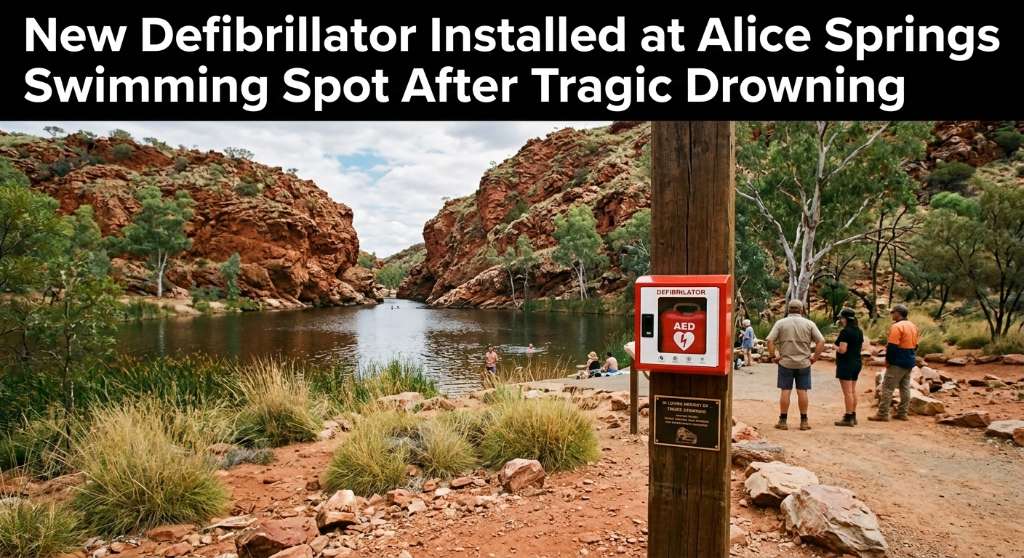
An automated external defibrillator and memorial plaque have been installed at Ellery Creek Big Hole following the death of disability advocate Ellen Fr...
Queensland firefighters spent several hours monitoring a significant grass fire at Mary Kinross Park in Bargara, near Bundaberg, after the blaze broke out on Wednesday evening....