Safety note: Admin approval is an initial review, not a guarantee that every detail is correct. Check important or urgent claims with official sources and report anything inaccurate or unsafe.
Banana Shire Council has joined the Local Government Association of Queensland (LGAQ) campaign calling for stronger disaster recovery funding arrangements, warning that proposed changes could leave regional communitie...
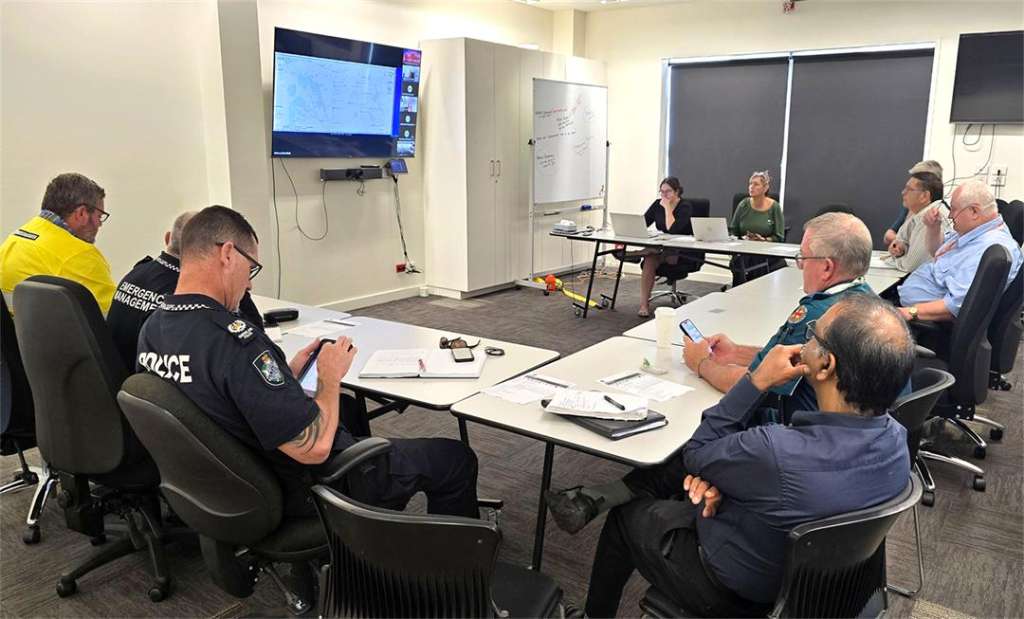
Banana Shire Council has joined councils across Queensland in raising concerns about future disaster recovery funding, arguing that regional communities need reliable financial support to respond and rebuild after major natural disasters.
The campaign, led by the Local Government Association of Queensland (LGAQ), is calling on the Federal Government to reconsider proposed changes to the Disaster Recovery Funding Arrangements (DRFA). Councils say changes to funding structures could increase pressure on local governments that are already facing rising costs and repeated disaster events.
Banana Shire, located in Central Queensland, has experienced significant impacts from severe weather events in recent years, including flooding that affected roads, agricultural operations, businesses and local communities. Council leaders argue that regional councils often carry a large responsibility during disaster response, including repairing damaged infrastructure and supporting residents during recovery periods.
The LGAQ has warned that reducing disaster funding support could make it harder for councils to restore essential services quickly after events such as floods and cyclones. The organisation said Queensland communities need certainty that assistance will be available when disasters occur, particularly as many local government areas continue to face repeated climate-related emergencies.
The concerns come after Queensland experienced a challenging disaster season, with widespread flooding and severe weather affecting many regions. The LGAQ said a large majority of Queensland local government areas had been impacted by disasters and that councils require sustainable funding arrangements to protect roads, bridges and other critical infrastructure.
For rural areas such as Banana Shire, disaster recovery funding is particularly important for supporting farmers and primary producers. Flood damage can affect livestock, crops, fencing, machinery access and transport routes, creating long-term economic impacts for communities that rely heavily on agriculture.
Previous recovery programs have provided assistance including grants, concessional loans and freight subsidies for affected producers. Support activated for Banana and neighbouring regions after earlier flooding included assistance for clean-up activities, recovery work and restoring farming operations.
LGAQ representatives argue that disaster funding should recognise the unique challenges faced by regional councils. Unlike larger metropolitan councils, many rural councils manage vast geographic areas with smaller populations and limited revenue sources, making major repairs more difficult without external assistance.
The organisation has also raised concerns about the loss of additional recovery support measures, including assistance programs designed to help agricultural communities recover after major disasters. Regional leaders say these programs are essential for rebuilding local economies and ensuring farmers can return to production.
Banana Shire’s involvement in the campaign highlights the ongoing challenge facing regional Queensland: balancing increasing disaster risks with the need for long-term financial support. Council leaders say dependable funding arrangements are essential to ensuring communities can recover faster and remain resilient when future emergencies occur.
DisasterCouncilsFundingQueenslandRecovery
Banana Shire Council has joined councils across Queensland in raising concerns about future disaster recovery funding, arguing that regional communities need reliable financial support to respond and rebuild after major natural disasters.
The campaign, led by the Local Government Association of Queensland (LGAQ), is calling on the Federal Government to reconsider proposed changes to the Disaster Recovery Funding Arrangements (DRFA). Councils say changes to funding structures could increase pressure on local governments that are already facing rising costs and repeated disaster events.
Banana Shire, located in Central Queensland, has experienced significant impacts from severe weather events in recent years, including flooding that affected roads, agricultural operations, businesses and local communities. Council leaders argue that regional councils often carry a large responsibility during disaster response, including repairing damaged infrastructure and supporting residents during recovery periods.
The LGAQ has warned that reducing disaster funding support could make it harder for councils to restore essential services quickly after events such as floods and cyclones. The organisation said Queensland communities need certainty that assistance will be available when disasters occur, particularly as many local government areas continue to face repeated climate-related emergencies.
The concerns come after Queensland experienced a challenging disaster season, with widespread flooding and severe weather affecting many regions. The LGAQ said a large majority of Queensland local government areas had been impacted by disasters and that councils require sustainable funding arrangements to protect roads, bridges and other critical infrastructure.
For rural areas such as Banana Shire, disaster recovery funding is particularly important for supporting farmers and primary producers. Flood damage can affect livestock, crops, fencing, machinery access and transport routes, creating long-term economic impacts for communities that rely heavily on agriculture.
Previous recovery programs have provided assistance including grants, concessional loans and freight subsidies for affected producers. Support activated for Banana and neighbouring regions after earlier flooding included assistance for clean-up activities, recovery work and restoring farming operations.
LGAQ representatives argue that disaster funding should recognise the unique challenges faced by regional councils. Unlike larger metropolitan councils, many rural councils manage vast geographic areas with smaller populations and limited revenue sources, making major repairs more difficult without external assistance.
The organisation has also raised concerns about the loss of additional recovery support measures, including assistance programs designed to help agricultural communities recover after major disasters. Regional leaders say these programs are essential for rebuilding local economies and ensuring farmers can return to production.
Banana Shire’s involvement in the campaign highlights the ongoing challenge facing regional Queensland: balancing increasing disaster risks with the need for long-term financial support. Council leaders say dependable funding arrangements are essential to ensuring communities can recover faster and remain resilient when future emergencies occur.
Regional councils are calling on the Australian Government to establish a $200 million funding program to help maintain regional airports, after a surve...
A rural Western Australian shire has asked the federal government to recognise the challenges of operating childcare services in small communities, wher...
Armidale Regional Council will replace an ageing cast-iron water main in Ampol and Miller Streets with a modern system, with construction scheduled to b...
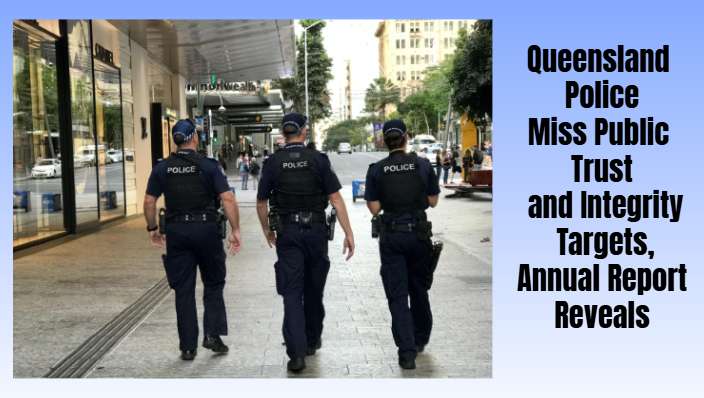
A Queensland Police Service annual report shows the service failed to meet its targets for public perceptions of honesty, trust, fairness and profession...
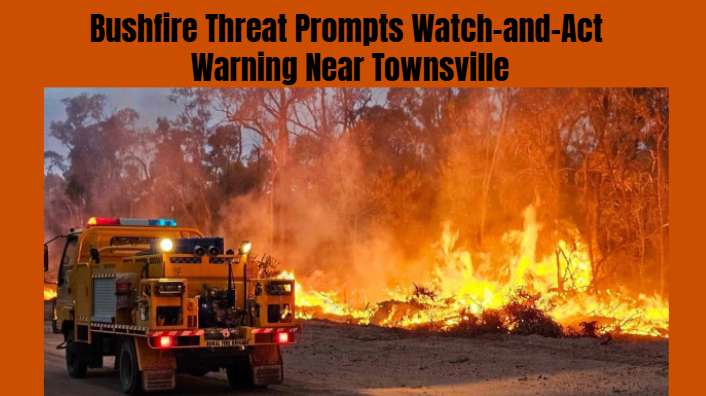
Fire crews and water-bombing helicopters are responding to a fast-moving bushfire near Oak Valley, north of Townsville, as residents in nearby areas are...
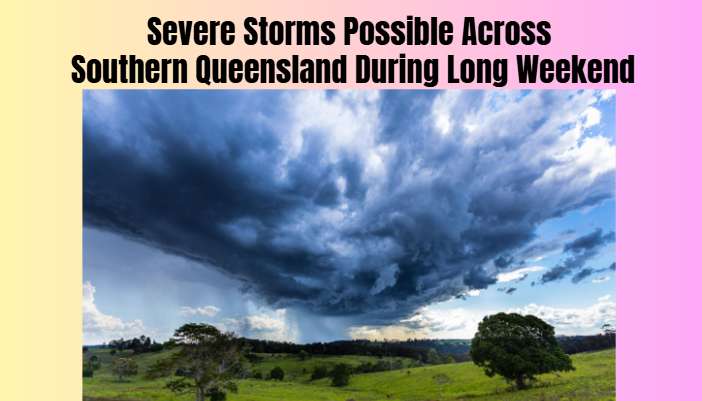
The Bureau of Meteorology is warning of possible thunderstorms across southern Queensland during the King’s Birthday long weekend, with unsettled weathe...
Changes to Australia’s working holiday visa program have raised concerns among tourism and hospitality businesses in Far North Queensland, where backpac...
An 88-year-old Perth woman has returned to court after being charged over the alleged attempted murder of her 90-year-old husband at an aged-care facili...