Safety note: Admin approval is an initial review, not a guarantee that every detail is correct. Check important or urgent claims with official sources and report anything inaccurate or unsafe.
Source and credit: Contributor's own report
Port workers wage dispute threatens historic strike action in Western Australia - Mandurah, WA
Smart summary
A major industrial dispute involving port workers has moved closer to strike action, with employees preparing for what could become a historic stoppage as negotiations over wages and workplace conditions continue. The...
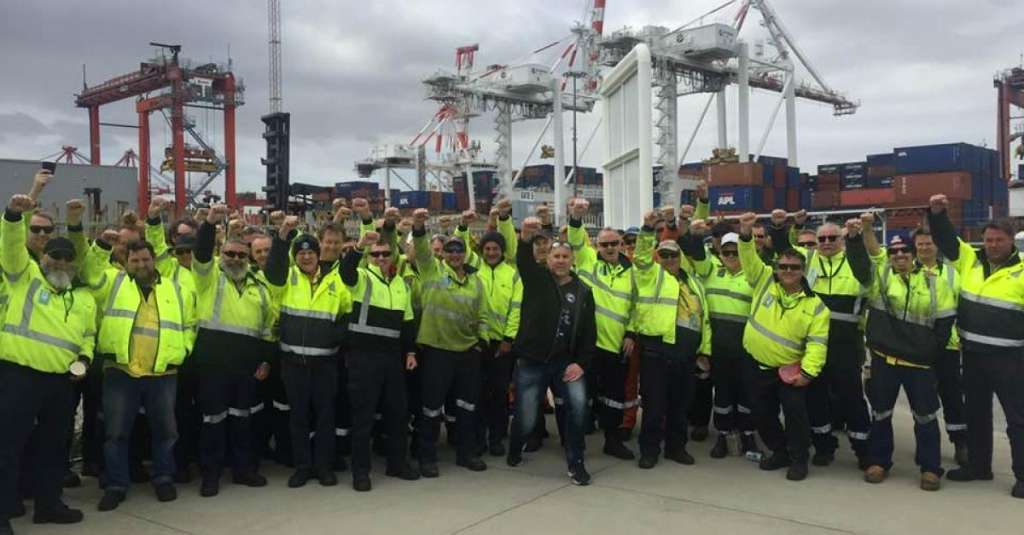
A wage dispute involving port workers in Western Australia is threatening to escalate into a significant industrial action campaign, with workers considering a strike that could become one of the most notable disruptions in the state’s port sector.
Employees involved in port operations have been locked in negotiations with employers over a new workplace agreement, with the dispute centred around issues including wages, working conditions and employment protections. Workers say they are seeking an agreement that reflects the demands and responsibilities of their roles, while employers have been attempting to reach a settlement that maintains operational stability.
The potential strike action comes at a critical time for Australia’s freight and export industries, with ports playing a central role in moving resources, agricultural products and consumer goods. Any prolonged disruption could affect shipping schedules, logistics networks and businesses that rely on timely transport of goods.
Port workers perform essential roles including cargo handling, vessel operations, maintenance and logistics coordination. Their work supports major industries and regional economies, making industrial disputes in the sector closely watched by government and business groups.
The dispute is expected to attract attention because of the scale of the possible action. Union representatives have warned that workers are prepared to take protected industrial action if negotiations fail to deliver an acceptable outcome. They argue that employees deserve improved pay and conditions due to the demanding nature of port work, including shift requirements, safety responsibilities and irregular working hours.
Employers involved in the negotiations have emphasised the importance of reaching a balanced agreement that supports workers while ensuring ports remain competitive and reliable. They have urged continued discussions to avoid disruptions that could affect customers, exporters and the wider economy.
The dispute comes during a period of broader workplace negotiations across Australia, with wage growth and cost-of-living pressures continuing to influence bargaining discussions. The Fair Work system has recently increased minimum wage rates, with national minimum wages rising from July 2026 and award rates increasing by 4.75 per cent.
Port and maritime employees are often covered by specialised industrial arrangements, including awards and enterprise agreements that set wages, allowances and working conditions.
Industry observers say the outcome of the dispute could have wider implications for future workplace negotiations in Australia’s logistics and maritime sectors. A major strike could increase pressure on employers and unions to find new approaches to balancing employee expectations with business requirements.
Community and business groups are also watching developments closely, particularly those involved in import, export and regional supply chains. Western Australian ports handle significant volumes of goods connected to mining, agriculture and manufacturing industries, meaning any interruption could have economic consequences.
Negotiations are expected to continue as both sides attempt to avoid industrial action. Workers have indicated they remain committed to securing improved conditions, while employers are seeking a resolution that protects ongoing operations.
If a strike proceeds, it could mark a significant moment for Western Australia’s maritime workforce and highlight ongoing debates around wages, workplace rights and the future of industrial relations in essential industries.
WorkersCouldPortActionDispute
A wage dispute involving port workers in Western Australia is threatening to escalate into a significant industrial action campaign, with workers considering a strike that could become one of the most notable disruptions in the state’s port sector.
Employees involved in port operations have been locked in negotiations with employers over a new workplace agreement, with the dispute centred around issues including wages, working conditions and employment protections. Workers say they are seeking an agreement that reflects the demands and responsibilities of their roles, while employers have been attempting to reach a settlement that maintains operational stability.
The potential strike action comes at a critical time for Australia’s freight and export industries, with ports playing a central role in moving resources, agricultural products and consumer goods. Any prolonged disruption could affect shipping schedules, logistics networks and businesses that rely on timely transport of goods.
Port workers perform essential roles including cargo handling, vessel operations, maintenance and logistics coordination. Their work supports major industries and regional economies, making industrial disputes in the sector closely watched by government and business groups.
The dispute is expected to attract attention because of the scale of the possible action. Union representatives have warned that workers are prepared to take protected industrial action if negotiations fail to deliver an acceptable outcome. They argue that employees deserve improved pay and conditions due to the demanding nature of port work, including shift requirements, safety responsibilities and irregular working hours.
Employers involved in the negotiations have emphasised the importance of reaching a balanced agreement that supports workers while ensuring ports remain competitive and reliable. They have urged continued discussions to avoid disruptions that could affect customers, exporters and the wider economy.
The dispute comes during a period of broader workplace negotiations across Australia, with wage growth and cost-of-living pressures continuing to influence bargaining discussions. The Fair Work system has recently increased minimum wage rates, with national minimum wages rising from July 2026 and award rates increasing by 4.75 per cent.
Port and maritime employees are often covered by specialised industrial arrangements, including awards and enterprise agreements that set wages, allowances and working conditions.
Industry observers say the outcome of the dispute could have wider implications for future workplace negotiations in Australia’s logistics and maritime sectors. A major strike could increase pressure on employers and unions to find new approaches to balancing employee expectations with business requirements.
Community and business groups are also watching developments closely, particularly those involved in import, export and regional supply chains. Western Australian ports handle significant volumes of goods connected to mining, agriculture and manufacturing industries, meaning any interruption could have economic consequences.
Negotiations are expected to continue as both sides attempt to avoid industrial action. Workers have indicated they remain committed to securing improved conditions, while employers are seeking a resolution that protects ongoing operations.
If a strike proceeds, it could mark a significant moment for Western Australia’s maritime workforce and highlight ongoing debates around wages, workplace rights and the future of industrial relations in essential industries.
Cairns Regional Council has unanimously voted to seek $400,000 in Queensland Government funding for a program designed to connect local businesses with the region’s growing film...
Albury New South Wales · Business News · 17 Sep 2026
An Australian artificial intelligence company has purchased the former Visy paper mill site at Ettamogah, north of Albury, in a significant local business The company, Sharon AI...
A new multi-million-dollar poultry-processing facility has officially opened near Tamworth, bringing major investment and new employment opportunities t...
Two teenagers have appeared in a Perth court after allegedly breaking into a crocodile enclosure and attacking the 400-kilogram reptile with a metal pole.
Cairns Regional Council has unanimously voted to seek $400,000 in Queensland Government funding for a program designed to connect local businesses with the region’s growing film...
An automated external defibrillator and memorial plaque have been installed at Ellery Creek Big Hole following the death of disability advocate Ellen Fr...
Queensland firefighters spent several hours monitoring a significant grass fire at Mary Kinross Park in Bargara, near Bundaberg, after the blaze broke out on Wednesday evening....