Albany, Western Australia · Western Australia News
Safety note: Admin approval is an initial review, not a guarantee that every detail is correct. Check important or urgent claims with official sources and report anything inaccurate or unsafe.
Source and credit: Contributor's own report
Katanning Gold Project Set to Transform WA's Farming Heartland - Albany, Western Australia
Smart summary
The revival of the Katanning Gold Project is expected to bring billions of dollars in economic activity and hundreds of jobs to Western Australia's Great Southern region, while raising concerns about environmental imp...
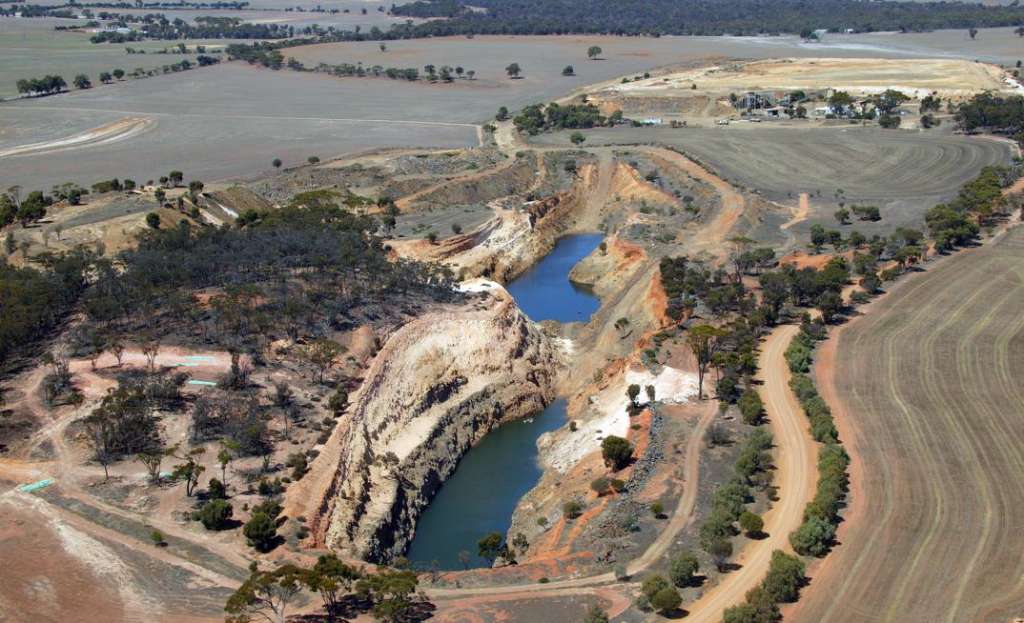
The reopening of the Katanning Gold Project is poised to reshape one of Western Australia's most important agricultural regions, with mining company Ausgold preparing to restart large-scale gold production near Katanning after decades of inactivity. The project is expected to generate more than $1 billion worth of gold annually over an initial 10-year mine life, creating significant economic opportunities while also prompting debate about its long-term impact on farming and the environment.
Located about 40 kilometres northeast of Katanning in the Great Southern region, the former Badgebup Gold Mine ceased operations in the late 1990s when low gold prices made mining uneconomic. Since acquiring the project in 2010, Ausgold has expanded exploration, completed feasibility studies and moved closer to reopening the site. The company is still awaiting final environmental approvals and financing but expects construction to begin once these requirements are met.
Ausgold Executive Chairman John Dorward said the operation is expected to produce approximately 140,000 ounces of gold each year. At current gold prices, this represents more than $1 billion in annual production, making the mine one of the largest economic developments in the Great Southern region in recent years. The company also plans to continue exploration beyond the existing deposits, believing additional gold resources remain undiscovered nearby.
The project is expected to employ about 350 workers during construction and approximately 250 permanent employees once mining operations begin. Local businesses anticipate increased demand for accommodation, hospitality, retail and professional services as workers move into the region. The Shire of Katanning has negotiated plans for a worker accommodation village while encouraging Ausgold to invest in long-term community infrastructure that will benefit the region beyond the mine's operational life.
Despite the anticipated economic benefits, some local farmers remain concerned about the project's potential effects. Sheep and grain producer Scott Newby fears mining companies may attract skilled tradespeople away from agriculture, making it harder for farms to access mechanics, electricians and equipment repair services during critical planting and harvest periods. Others are worried about possible impacts on native vegetation, groundwater, biodiversity and the broader rural landscape.
Environmental groups and local landcare organisations have also called for careful management of land clearing, water use and rehabilitation. Katanning Land Conservation District Committee representatives say mining can coexist with agriculture, provided environmental safeguards are rigorously implemented. Ausgold says it has consulted extensively with the community, established a Community Reference Group, and developed rehabilitation plans in partnership with local organisations to restore land once mining concludes.
Business owners, however, are optimistic. Local café owner Alep Mydie believes the arrival of hundreds of additional workers will increase customer numbers and stimulate broader economic growth throughout Katanning. Many residents see the mine as an opportunity to diversify the regional economy while attracting new investment into housing, infrastructure and community services.
The Katanning Gold Project represents one of the most significant mining investments in Western Australia's Great Southern region in decades. As approvals progress, the challenge for government, industry and the community will be balancing economic development with environmental protection and preserving the agricultural heritage that has long defined Katanning.
GoldKatanningMiningProjectAusgold
The reopening of the Katanning Gold Project is poised to reshape one of Western Australia's most important agricultural regions, with mining company Ausgold preparing to restart large-scale gold production near Katanning after decades of inactivity. The project is expected to generate more than $1 billion worth of gold annually over an initial 10-year mine life, creating significant economic opportunities while also prompting debate about its long-term impact on farming and the environment.
Located about 40 kilometres northeast of Katanning in the Great Southern region, the former Badgebup Gold Mine ceased operations in the late 1990s when low gold prices made mining uneconomic. Since acquiring the project in 2010, Ausgold has expanded exploration, completed feasibility studies and moved closer to reopening the site. The company is still awaiting final environmental approvals and financing but expects construction to begin once these requirements are met.
Ausgold Executive Chairman John Dorward said the operation is expected to produce approximately 140,000 ounces of gold each year. At current gold prices, this represents more than $1 billion in annual production, making the mine one of the largest economic developments in the Great Southern region in recent years. The company also plans to continue exploration beyond the existing deposits, believing additional gold resources remain undiscovered nearby.
The project is expected to employ about 350 workers during construction and approximately 250 permanent employees once mining operations begin. Local businesses anticipate increased demand for accommodation, hospitality, retail and professional services as workers move into the region. The Shire of Katanning has negotiated plans for a worker accommodation village while encouraging Ausgold to invest in long-term community infrastructure that will benefit the region beyond the mine's operational life.
Despite the anticipated economic benefits, some local farmers remain concerned about the project's potential effects. Sheep and grain producer Scott Newby fears mining companies may attract skilled tradespeople away from agriculture, making it harder for farms to access mechanics, electricians and equipment repair services during critical planting and harvest periods. Others are worried about possible impacts on native vegetation, groundwater, biodiversity and the broader rural landscape.
Environmental groups and local landcare organisations have also called for careful management of land clearing, water use and rehabilitation. Katanning Land Conservation District Committee representatives say mining can coexist with agriculture, provided environmental safeguards are rigorously implemented. Ausgold says it has consulted extensively with the community, established a Community Reference Group, and developed rehabilitation plans in partnership with local organisations to restore land once mining concludes.
Business owners, however, are optimistic. Local café owner Alep Mydie believes the arrival of hundreds of additional workers will increase customer numbers and stimulate broader economic growth throughout Katanning. Many residents see the mine as an opportunity to diversify the regional economy while attracting new investment into housing, infrastructure and community services.
The Katanning Gold Project represents one of the most significant mining investments in Western Australia's Great Southern region in decades. As approvals progress, the challenge for government, industry and the community will be balancing economic development with environmental protection and preserving the agricultural heritage that has long defined Katanning.
Bathurst bellringers are preparing to gather to celebrate a historic tradition dating back to 17th-century England, bringing together a community dedica...
Changes to Australia’s working holiday visa program have raised concerns among tourism and hospitality businesses in Far North Queensland, where backpac...
Bluebottles measuring up to three times the usual size have been washing onto Gold Coast beaches earlier than expected, prompting questions from scienti...
A high-tech greenhouse at Pacific Pines State High School is giving students hands-on experience in growing fresh produce, learning science and developi...
A 59-year-old rubbish-truck driver has been charged with dangerous driving causing death after a 70-year-old man was fatally struck in Queens Park earli...
Police have arrested five people after a man was taken to hospital with a gunshot wound following a serious incident at Moonyoonooka, east of Geraldton,...
A 36-year-old man extradited from Perth has received a suspended prison sentence after being convicted over a violent incident involving four people at...
Darwin's Frontier Bar and Grill manager Aston Bell has received two industry awards, recognising her leadership, customer service and contribution to th...
A teenager from Devonport has died and four other people were injured after a serious crash involving a ute on Mersey Main Road near Latrobe, Tasmania.