Safety note: Admin approval is an initial review, not a guarantee that every detail is correct. Check important or urgent claims with official sources and report anything inaccurate or unsafe.
Source and credit: Contributor's own report
Three Teenagers Rescued After Getting Lost in Onkaparinga River National Park - Adelaide, SA
Smart summary
Police and aerial search crews located three teenagers—aged 15, 17 and 19—after they became lost on a hiking track in South Australia’s Onkaparinga River National Park, with officers navigating steep terrain and water...
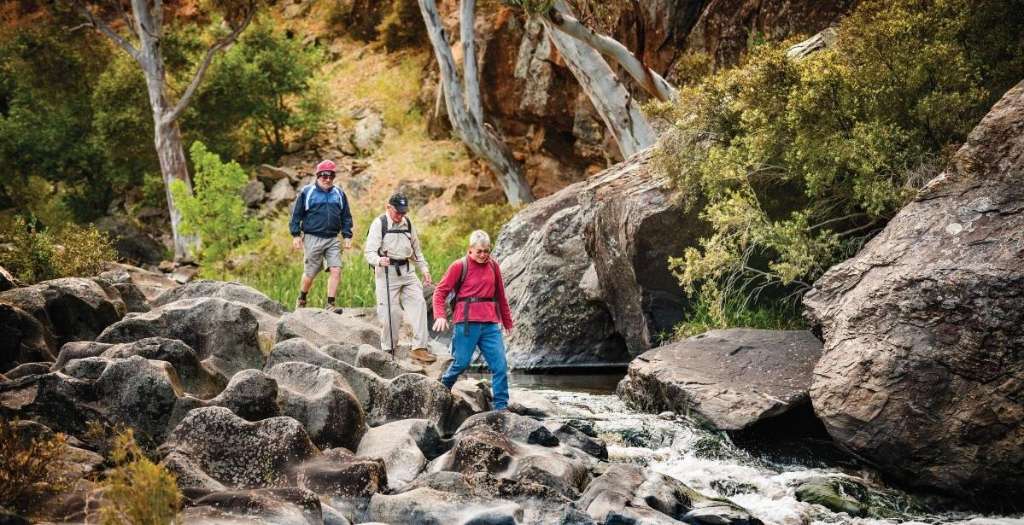
Three teenagers were safely rescued after becoming lost in the Onkaparinga River National Park in Adelaide’s south, prompting a coordinated land and air search by South Australia Police.
The group—aged 15, 17 and 19—were reported missing on Sunday evening, 5 July 2026, after failing to return from a walk on the Sundew Track, a bushwalking route known for its steep terrain and rugged river valley conditions.
Police said they were alerted just after 7:00pm, triggering an immediate response due to fading daylight and the difficult terrain within the park. The police helicopter (Pol Air) was deployed to assist in the search, scanning the dense bushland and river system from above while ground patrols prepared to enter on foot.
Around 7:20pm, the helicopter located the teenagers deep within the park. Southern District police officers then moved into the area on foot, navigating steep slopes, uneven ground and knee-deep water along sections of the river system to reach the stranded group.
Officers escorted all three teenagers back to safety. Fortunately, none of them were injured during the incident.
Authorities said the rescue highlights how quickly conditions in natural areas can become hazardous, particularly in winter months when daylight hours are shorter and temperatures drop rapidly after sunset. Police noted that even familiar walking tracks can become disorienting once visibility decreases.
Following the incident, South Australia Police reminded hikers and visitors to take extra precautions when exploring national parks. This includes planning walks to ensure completion before dark, carrying sufficient food and water, sticking to marked trails, and informing others of intended routes and expected return times.
Police also emphasised the importance of remaining in one place and calling emergency services (Triple Zero – 000) if lost, rather than attempting to navigate unfamiliar terrain in low light conditions.
Onkaparinga River National Park, located about 30–40 kilometres south of Adelaide, is a popular destination for bushwalkers, featuring deep river gorges, cliffs, and wetlands. However, its terrain can be challenging, especially for inexperienced hikers or those unfamiliar with rapidly changing weather and lighting conditions.
The successful rescue was credited to quick reporting, coordinated aerial support, and the ability of ground officers to traverse difficult terrain in time-sensitive conditions.
Authorities say the incident serves as a reminder that even short hikes in natural areas require preparation and awareness of environmental risks.
PoliceRiverConditionsParkTerrain
Three teenagers were safely rescued after becoming lost in the Onkaparinga River National Park in Adelaide’s south, prompting a coordinated land and air search by South Australia Police.
The group—aged 15, 17 and 19—were reported missing on Sunday evening, 5 July 2026, after failing to return from a walk on the Sundew Track, a bushwalking route known for its steep terrain and rugged river valley conditions.
Police said they were alerted just after 7:00pm, triggering an immediate response due to fading daylight and the difficult terrain within the park. The police helicopter (Pol Air) was deployed to assist in the search, scanning the dense bushland and river system from above while ground patrols prepared to enter on foot.
Around 7:20pm, the helicopter located the teenagers deep within the park. Southern District police officers then moved into the area on foot, navigating steep slopes, uneven ground and knee-deep water along sections of the river system to reach the stranded group.
Officers escorted all three teenagers back to safety. Fortunately, none of them were injured during the incident.
Authorities said the rescue highlights how quickly conditions in natural areas can become hazardous, particularly in winter months when daylight hours are shorter and temperatures drop rapidly after sunset. Police noted that even familiar walking tracks can become disorienting once visibility decreases.
Following the incident, South Australia Police reminded hikers and visitors to take extra precautions when exploring national parks. This includes planning walks to ensure completion before dark, carrying sufficient food and water, sticking to marked trails, and informing others of intended routes and expected return times.
Police also emphasised the importance of remaining in one place and calling emergency services (Triple Zero – 000) if lost, rather than attempting to navigate unfamiliar terrain in low light conditions.
Onkaparinga River National Park, located about 30–40 kilometres south of Adelaide, is a popular destination for bushwalkers, featuring deep river gorges, cliffs, and wetlands. However, its terrain can be challenging, especially for inexperienced hikers or those unfamiliar with rapidly changing weather and lighting conditions.
The successful rescue was credited to quick reporting, coordinated aerial support, and the ability of ground officers to traverse difficult terrain in time-sensitive conditions.
Authorities say the incident serves as a reminder that even short hikes in natural areas require preparation and awareness of environmental risks.
Bathurst bellringers are preparing to gather to celebrate a historic tradition dating back to 17th-century England, bringing together a community dedica...
Changes to Australia’s working holiday visa program have raised concerns among tourism and hospitality businesses in Far North Queensland, where backpac...
Bluebottles measuring up to three times the usual size have been washing onto Gold Coast beaches earlier than expected, prompting questions from scienti...
A high-tech greenhouse at Pacific Pines State High School is giving students hands-on experience in growing fresh produce, learning science and developi...
A man has been arrested in South Australia’s Mid North after an investigation into alleged online threats against police officers. He was refused bail f...
A 29-year-old man from Aldinga has been charged with multiple drug, traffic and weapons offences after police allegedly found methamphetamine, other ill...
South Australian police have arrested a 22-year-old woman following an alleged assault on an elderly woman outside a business on Beach Road, Christies B...
A 36-year-old man extradited from Perth has received a suspended prison sentence after being convicted over a violent incident involving four people at...
Darwin's Frontier Bar and Grill manager Aston Bell has received two industry awards, recognising her leadership, customer service and contribution to th...
A teenager from Devonport has died and four other people were injured after a serious crash involving a ute on Mersey Main Road near Latrobe, Tasmania.