Safety note: Admin approval is an initial review, not a guarantee that every detail is correct. Check important or urgent claims with official sources and report anything inaccurate or unsafe.
Source and credit: Contributor's own report
WA first responders warn rising road toll is taking heavy emotional toll on emergency crews - Bunbury, WA
Smart summary
As Western Australia's road death toll continues to climb, police officers, firefighters, paramedics and volunteer first responders say they are facing increasing emotional strain from attending fatal crashes, renewin...
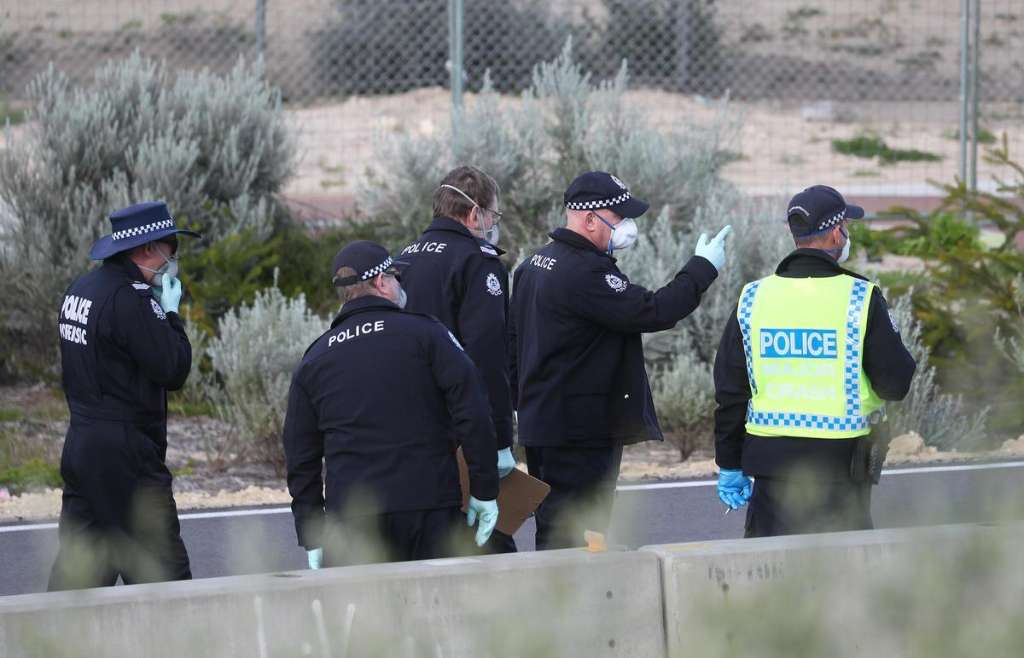
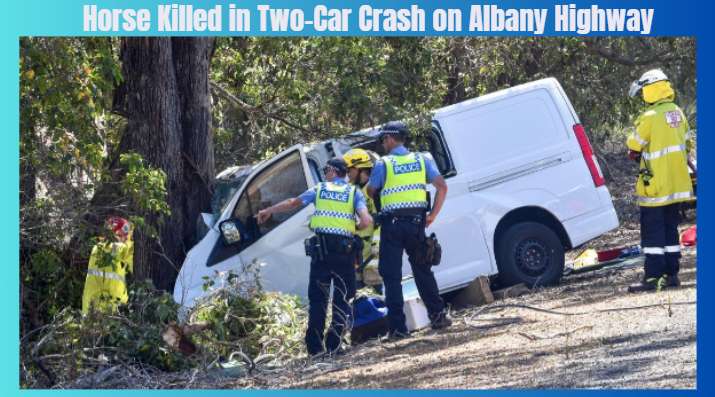
Western Australia's worsening road toll is not only devastating families but also leaving lasting emotional impacts on the emergency workers who respond to fatal crashes. Police officers, paramedics, firefighters and volunteer first responders say the growing number of serious road accidents is exposing them to repeated trauma, prompting renewed calls for motorists to make safer decisions behind the wheel.
WA has experienced a concerning increase in road fatalities in recent years, with authorities and road safety organisations warning the state is on track for one of its worst annual road tolls in almost two decades. The continued rise has sparked concern among emergency services personnel who are often first to arrive at crash scenes and must deal with the immediate aftermath of fatal collisions.
First responders say every fatal crash leaves a lasting impression. While they are trained to handle traumatic situations professionally, repeated exposure to serious injuries and deaths can have cumulative psychological effects. Many emergency workers describe carrying vivid memories of crash scenes long after incidents have ended, with some requiring ongoing mental health support to cope with the emotional demands of their work.
Road safety advocates stress that behind every statistic is a family whose lives have changed forever, as well as emergency workers who witness those tragedies firsthand. Police and paramedics say many crashes they attend involve preventable factors such as excessive speed, fatigue, alcohol or drug impairment, distracted driving and failure to wear seatbelts. They continue to urge motorists to avoid unnecessary risks and focus on arriving safely rather than quickly.
Mental health experts note that emergency personnel are particularly vulnerable to cumulative trauma because they regularly experience distressing events throughout their careers. Many agencies have expanded peer-support programs, counselling services and psychological assistance to help workers process traumatic incidents, recognising that protecting responders' wellbeing is essential for maintaining effective emergency services.
Road safety organisations argue that reducing the number of fatal crashes requires more than enforcement alone. They are calling for continued investment in safer roads, improved driver education, stronger compliance with road rules and greater public awareness about the consequences of dangerous driving. Authorities also encourage motorists to take regular breaks on long trips, eliminate distractions such as mobile phones and ensure everyone in the vehicle wears a properly fitted seatbelt.
Emergency workers say the most effective way to reduce their exposure to traumatic incidents is by preventing crashes altogether. Every avoided collision not only saves lives but also spares families, witnesses and first responders from experiencing avoidable tragedy. They hope increasing public awareness of the emotional impact road trauma has on emergency personnel will encourage safer behaviour on WA roads.
With the state's road toll continuing to rise, first responders are reminding drivers that every decision made behind the wheel can have lifelong consequences. They say simple actions such as slowing down, staying alert and avoiding impairment can prevent crashes and ensure both motorists and emergency workers return home safely.
RoadEmergencyTheyFirstResponders
Western Australia's worsening road toll is not only devastating families but also leaving lasting emotional impacts on the emergency workers who respond to fatal crashes. Police officers, paramedics, firefighters and volunteer first responders say the growing number of serious road accidents is exposing them to repeated trauma, prompting renewed calls for motorists to make safer decisions behind the wheel.
WA has experienced a concerning increase in road fatalities in recent years, with authorities and road safety organisations warning the state is on track for one of its worst annual road tolls in almost two decades. The continued rise has sparked concern among emergency services personnel who are often first to arrive at crash scenes and must deal with the immediate aftermath of fatal collisions.
First responders say every fatal crash leaves a lasting impression. While they are trained to handle traumatic situations professionally, repeated exposure to serious injuries and deaths can have cumulative psychological effects. Many emergency workers describe carrying vivid memories of crash scenes long after incidents have ended, with some requiring ongoing mental health support to cope with the emotional demands of their work.
Road safety advocates stress that behind every statistic is a family whose lives have changed forever, as well as emergency workers who witness those tragedies firsthand. Police and paramedics say many crashes they attend involve preventable factors such as excessive speed, fatigue, alcohol or drug impairment, distracted driving and failure to wear seatbelts. They continue to urge motorists to avoid unnecessary risks and focus on arriving safely rather than quickly.
Mental health experts note that emergency personnel are particularly vulnerable to cumulative trauma because they regularly experience distressing events throughout their careers. Many agencies have expanded peer-support programs, counselling services and psychological assistance to help workers process traumatic incidents, recognising that protecting responders' wellbeing is essential for maintaining effective emergency services.
Road safety organisations argue that reducing the number of fatal crashes requires more than enforcement alone. They are calling for continued investment in safer roads, improved driver education, stronger compliance with road rules and greater public awareness about the consequences of dangerous driving. Authorities also encourage motorists to take regular breaks on long trips, eliminate distractions such as mobile phones and ensure everyone in the vehicle wears a properly fitted seatbelt.
Emergency workers say the most effective way to reduce their exposure to traumatic incidents is by preventing crashes altogether. Every avoided collision not only saves lives but also spares families, witnesses and first responders from experiencing avoidable tragedy. They hope increasing public awareness of the emotional impact road trauma has on emergency personnel will encourage safer behaviour on WA roads.
With the state's road toll continuing to rise, first responders are reminding drivers that every decision made behind the wheel can have lifelong consequences. They say simple actions such as slowing down, staying alert and avoiding impairment can prevent crashes and ensure both motorists and emergency workers return home safely.
Queensland Police have charged a 24-year-old Coomera man following an alleged stolen-truck incident and hit-and-run crash across the northern Gold Coast. Police say the investig...
A dramatic close call at Brisbane's Howard Smith Wharves has reignited discussions about pedestrian safety, rider responsibility and the use of shared p...
From European-style villages and tropical rainforests to turquoise beaches and dramatic desert landscapes, these Australian locations offer internationa...
The City of Moreton Bay will launch Australia's first next-generation AI traffic light pilot in Petrie, using intelligent sensors and artificial intelli...
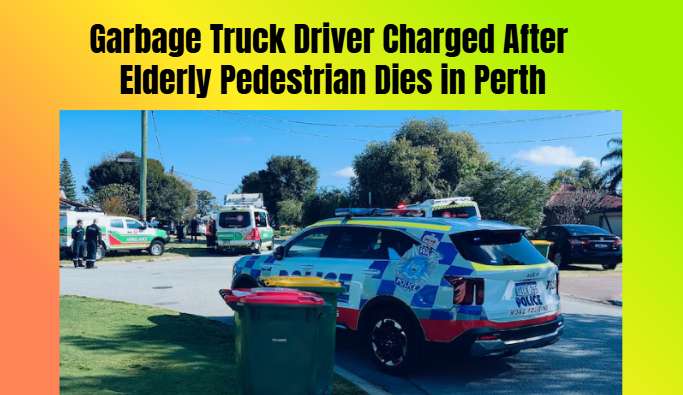
A 59-year-old rubbish-truck driver has been charged with dangerous driving causing death after a 70-year-old man was fatally struck in Queens Park earli...
Police have arrested five people after a man was taken to hospital with a gunshot wound following a serious incident at Moonyoonooka, east of Geraldton,...
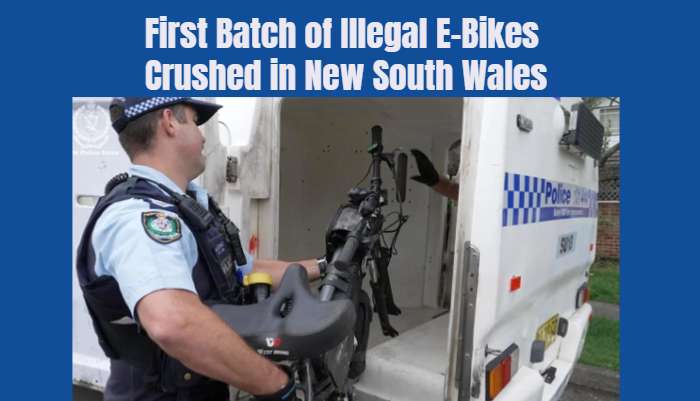
Authorities have crushed 23 confiscated electric bikes in Blacktown under new laws targeting non-compliant e-bikes, following a joint enforcement operat...
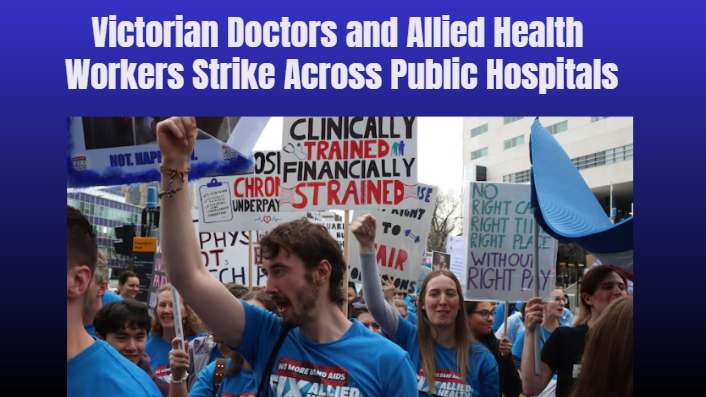
Thousands of Victorian doctors and allied health professionals have begun industrial action over stalled negotiations on pay and working conditions, wit...