Queensland Mental Health Services Warn of Funding Shortfall After State Budget
By Neha Maurya · Published 07 Jul 2026 · Updated 07 Jul 2026
Brisbane, Queensland · Queensland News
Safety note: Admin approval is an initial review, not a guarantee that every detail is correct. Check important or urgent claims with official sources and report anything inaccurate or unsafe.
Source and credit: Contributor's own report
Queensland Mental Health Services Warn of Funding Shortfall After State Budget - Brisbane, Queensland
Smart summary
Community mental health organisations across Queensland say they may be forced to reduce services and increase waiting times after government funding failed to keep pace with rising wage costs, prompting calls for an...
Community mental health organisations across Queensland have warned they are facing a significant financial shortfall after the 2026–27 Queensland Budget set a funding indexation rate that falls below recent increases in employee wages.
The concern centres on the Non-Government Organisation (NGO) indexation rate, which determines annual funding increases for community organisations delivering mental health services on behalf of the Queensland Government. For the 2026–27 financial year, the indexation rate has been set at 3.31 per cent, while the Fair Work Commission awarded a 4.75 per cent increase to minimum wages. Mental health providers say the difference creates a funding gap that they will have to absorb.
One organisation highlighting the issue is Eating Disorders Queensland, which provides free support services for people living with eating disorders and their families. Chief Executive Belinda Chelius said demand for the organisation's services has increased by around 60 per cent since 2022, with approximately 160 people currently waiting for counselling at any given time. She warned that without additional funding, organisations may be forced to reduce programs or extend waiting lists.
The Queensland Alliance for Mental Health (QAMH), representing more than 140 community mental health organisations, has also expressed concern that providers cannot continue absorbing increasing employment and operating costs. Acting board chair Tanya O'Shea said some organisations had planned to expand services to weekends and public holidays but have postponed those plans because funding is insufficient to cover the additional staffing expenses.
Sector leaders fear that if community-based services are reduced, more people experiencing mental health crises will turn to already busy hospital emergency departments for help. They argue that community organisations provide early intervention and ongoing support that often prevents more serious mental health emergencies and hospital admissions.
In response, the Queensland Alliance for Mental Health has formally requested that Queensland Treasurer David Janetzki review the indexation rate so it better reflects inflation and wage growth. The alliance says the government has mechanisms available to adjust funding and believes community organisations should not have to reduce services because of funding formula limitations.
A spokesperson for the Treasurer said the methodology used to calculate the NGO indexation rate has remained unchanged for approximately 20 years. Queensland Treasury also noted that previous indexation rates included additional funding to compensate for legislated increases to employer superannuation contributions.
Mental health advocates continue to stress that demand for services remains high across Queensland and say maintaining sustainable funding is essential to ensuring people receive timely support close to home. They argue that investing in community-based care not only improves health outcomes but also reduces long-term pressure on hospitals and the broader health system.
HealthFundingMentalQueenslandServices
Community mental health organisations across Queensland have warned they are facing a significant financial shortfall after the 2026–27 Queensland Budget set a funding indexation rate that falls below recent increases in employee wages.
The concern centres on the Non-Government Organisation (NGO) indexation rate, which determines annual funding increases for community organisations delivering mental health services on behalf of the Queensland Government. For the 2026–27 financial year, the indexation rate has been set at 3.31 per cent, while the Fair Work Commission awarded a 4.75 per cent increase to minimum wages. Mental health providers say the difference creates a funding gap that they will have to absorb.
One organisation highlighting the issue is Eating Disorders Queensland, which provides free support services for people living with eating disorders and their families. Chief Executive Belinda Chelius said demand for the organisation's services has increased by around 60 per cent since 2022, with approximately 160 people currently waiting for counselling at any given time. She warned that without additional funding, organisations may be forced to reduce programs or extend waiting lists.
The Queensland Alliance for Mental Health (QAMH), representing more than 140 community mental health organisations, has also expressed concern that providers cannot continue absorbing increasing employment and operating costs. Acting board chair Tanya O'Shea said some organisations had planned to expand services to weekends and public holidays but have postponed those plans because funding is insufficient to cover the additional staffing expenses.
Sector leaders fear that if community-based services are reduced, more people experiencing mental health crises will turn to already busy hospital emergency departments for help. They argue that community organisations provide early intervention and ongoing support that often prevents more serious mental health emergencies and hospital admissions.
In response, the Queensland Alliance for Mental Health has formally requested that Queensland Treasurer David Janetzki review the indexation rate so it better reflects inflation and wage growth. The alliance says the government has mechanisms available to adjust funding and believes community organisations should not have to reduce services because of funding formula limitations.
A spokesperson for the Treasurer said the methodology used to calculate the NGO indexation rate has remained unchanged for approximately 20 years. Queensland Treasury also noted that previous indexation rates included additional funding to compensate for legislated increases to employer superannuation contributions.
Mental health advocates continue to stress that demand for services remains high across Queensland and say maintaining sustainable funding is essential to ensuring people receive timely support close to home. They argue that investing in community-based care not only improves health outcomes but also reduces long-term pressure on hospitals and the broader health system.
A Tasmanian parliamentary report has raised concerns over the government’s lease arrangements for the Derwent Entertainment Centre and the proposed sale...
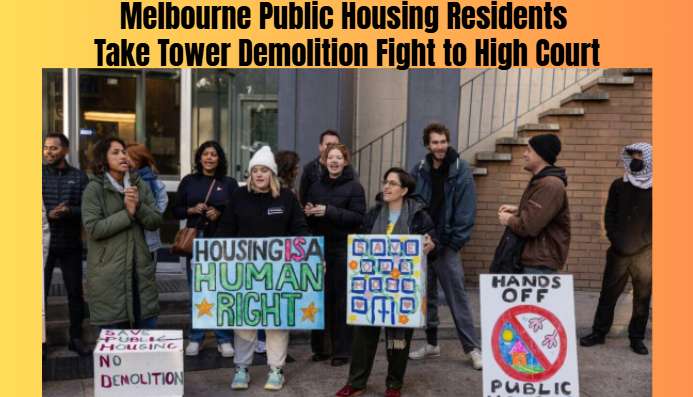
Residents affected by Victoria’s plan to demolish 44 public housing towers are challenging the decision in Australia’s highest court, arguing they were...
A former federal police officer says Victoria acted too slowly against the illegal tobacco trade, while Premier Ben Carroll has admitted the government...
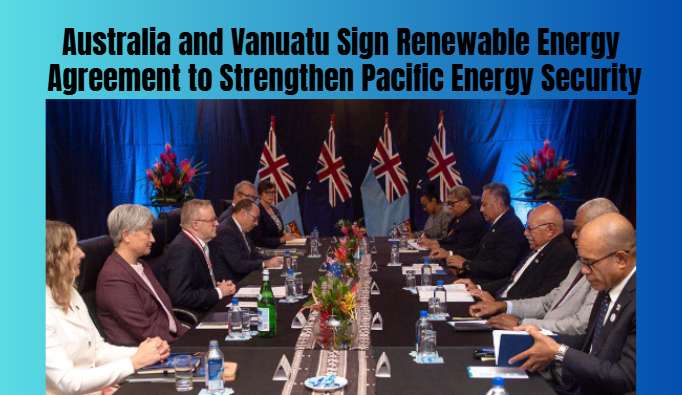
Australia has signed a new agreement with Vanuatu to support its renewable energy transition, alongside a $7.29 million regional package aimed at improv...
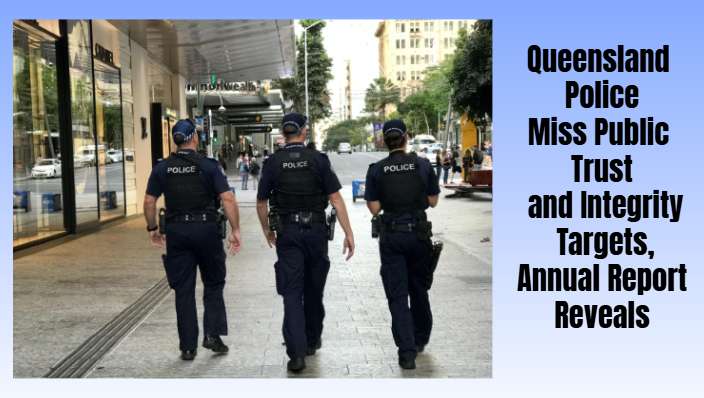
A Queensland Police Service annual report shows the service failed to meet its targets for public perceptions of honesty, trust, fairness and profession...
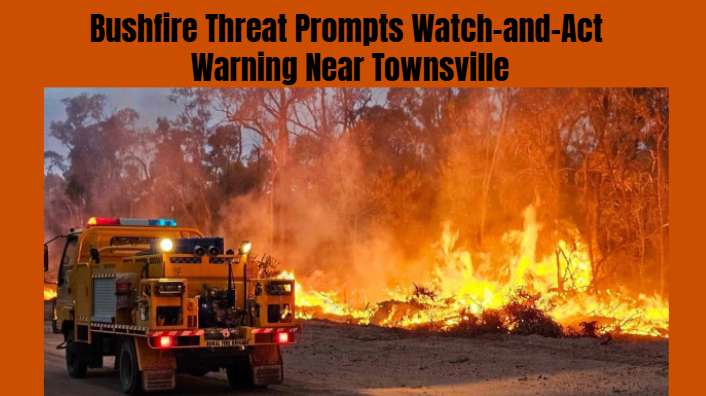
Fire crews and water-bombing helicopters are responding to a fast-moving bushfire near Oak Valley, north of Townsville, as residents in nearby areas are...
The Bureau of Meteorology is warning of possible thunderstorms across southern Queensland during the King’s Birthday long weekend, with unsettled weathe...
Changes to Australia’s working holiday visa program have raised concerns among tourism and hospitality businesses in Far North Queensland, where backpac...