Safety note: Admin approval is an initial review, not a guarantee that every detail is correct. Check important or urgent claims with official sources and report anything inaccurate or unsafe.
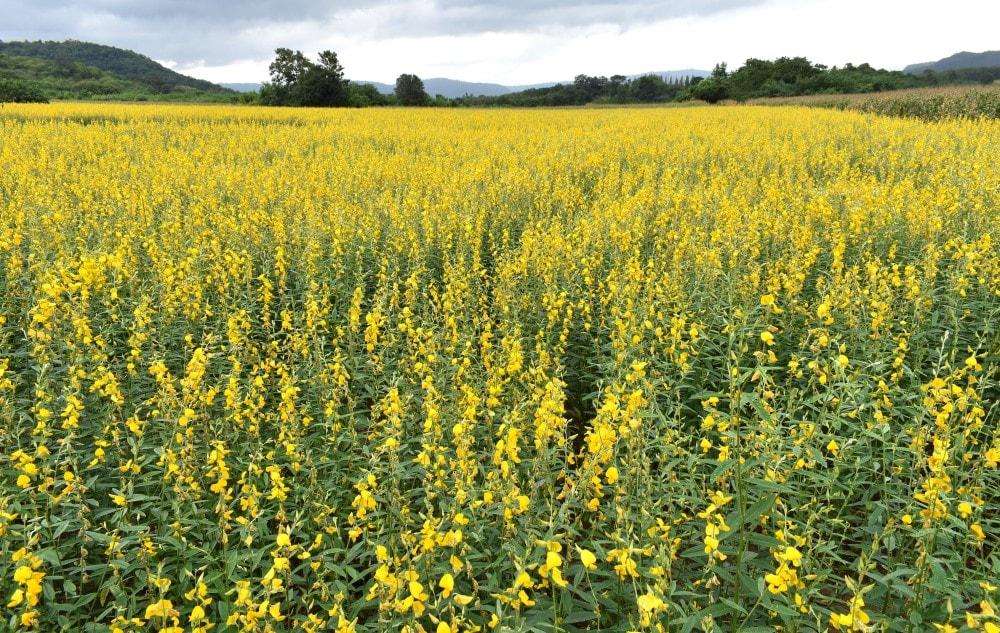
Farmers across Queensland are turning to sunn hemp, a nitrogen-fixing cover crop, to reduce dependence on expensive urea fertiliser, improve soil health, and lower production costs amid rising global fertiliser prices.
Australian farmers are increasingly planting sunn hemp, a fast-growing legume with bright yellow flowers, as a natural way to reduce fertiliser costs while improving soil health. The crop is gaining attention as fertiliser prices continue to climb following disruptions to global supply chains and conflict in the Middle East, which have pushed the cost of urea to record levels.
Unlike traditional cash crops, sunn hemp is primarily grown as a cover crop. Instead of being harvested for sale, it is planted between main cropping seasons to restore soil quality. As a legume, it forms a natural partnership with soil bacteria that capture nitrogen from the atmosphere and convert it into nutrients that plants can use. This natural process reduces the need for synthetic nitrogen fertilisers such as urea.
Sugarcane grower Neil Maitland, near Cairns, has been using sunn hemp in his farming system for several years. He says the crop has helped reduce his nitrogen fertiliser use by around 25 per cent, saving more than $400 per hectare on fertiliser costs while maintaining productive crops. Although he still applies phosphorus and potash, the amount of expensive urea required has fallen significantly.
Researchers are also finding promising results. Scientists from the Queensland Department of Primary Industries (DPI) have been trialling sunn hemp in cotton-growing regions of Central Queensland. Their studies indicate the crop can generate nitrogen equivalent to approximately 220–320 kilograms of urea per hectare, offering substantial savings for growers.
Beyond fertiliser savings, sunn hemp is proving valuable in pest management. DPI trials have shown it can dramatically reduce populations of reniform nematodes, microscopic pests that attack cotton roots and reduce crop yields. Researchers observed nematode numbers fall from about 3,000 to just 100 per 100 grams of soil after sunn hemp was grown for around two and a half months.
Additional research is underway near Ingham, where agricultural specialists are testing mixed cover-crop systems. Early findings suggest combinations including sunn hemp, cowpea, lablab, and soybean may improve soil carbon, biodiversity, and nutrient cycling while reducing reliance on synthetic fertilisers.
While researchers continue studying whether sunn hemp may host certain crop diseases in cooler regions, its performance in tropical and subtropical Queensland has been encouraging. With fertiliser prices remaining high, more growers are expected to adopt cover crops as part of sustainable farming systems that improve soil health while lowering operating costs.
The growing popularity of sunn hemp highlights a broader shift in Australian agriculture toward practices that combine environmental sustainability with long-term economic benefits for farmers.
HempSunnFertiliserCropSoil
Australian farmers are increasingly planting sunn hemp, a fast-growing legume with bright yellow flowers, as a natural way to reduce fertiliser costs while improving soil health. The crop is gaining attention as fertiliser prices continue to climb following disruptions to global supply chains and conflict in the Middle East, which have pushed the cost of urea to record levels.
Unlike traditional cash crops, sunn hemp is primarily grown as a cover crop. Instead of being harvested for sale, it is planted between main cropping seasons to restore soil quality. As a legume, it forms a natural partnership with soil bacteria that capture nitrogen from the atmosphere and convert it into nutrients that plants can use. This natural process reduces the need for synthetic nitrogen fertilisers such as urea.
Sugarcane grower Neil Maitland, near Cairns, has been using sunn hemp in his farming system for several years. He says the crop has helped reduce his nitrogen fertiliser use by around 25 per cent, saving more than $400 per hectare on fertiliser costs while maintaining productive crops. Although he still applies phosphorus and potash, the amount of expensive urea required has fallen significantly.
Researchers are also finding promising results. Scientists from the Queensland Department of Primary Industries (DPI) have been trialling sunn hemp in cotton-growing regions of Central Queensland. Their studies indicate the crop can generate nitrogen equivalent to approximately 220–320 kilograms of urea per hectare, offering substantial savings for growers.
Beyond fertiliser savings, sunn hemp is proving valuable in pest management. DPI trials have shown it can dramatically reduce populations of reniform nematodes, microscopic pests that attack cotton roots and reduce crop yields. Researchers observed nematode numbers fall from about 3,000 to just 100 per 100 grams of soil after sunn hemp was grown for around two and a half months.
Additional research is underway near Ingham, where agricultural specialists are testing mixed cover-crop systems. Early findings suggest combinations including sunn hemp, cowpea, lablab, and soybean may improve soil carbon, biodiversity, and nutrient cycling while reducing reliance on synthetic fertilisers.
While researchers continue studying whether sunn hemp may host certain crop diseases in cooler regions, its performance in tropical and subtropical Queensland has been encouraging. With fertiliser prices remaining high, more growers are expected to adopt cover crops as part of sustainable farming systems that improve soil health while lowering operating costs.
The growing popularity of sunn hemp highlights a broader shift in Australian agriculture toward practices that combine environmental sustainability with long-term economic benefits for farmers.
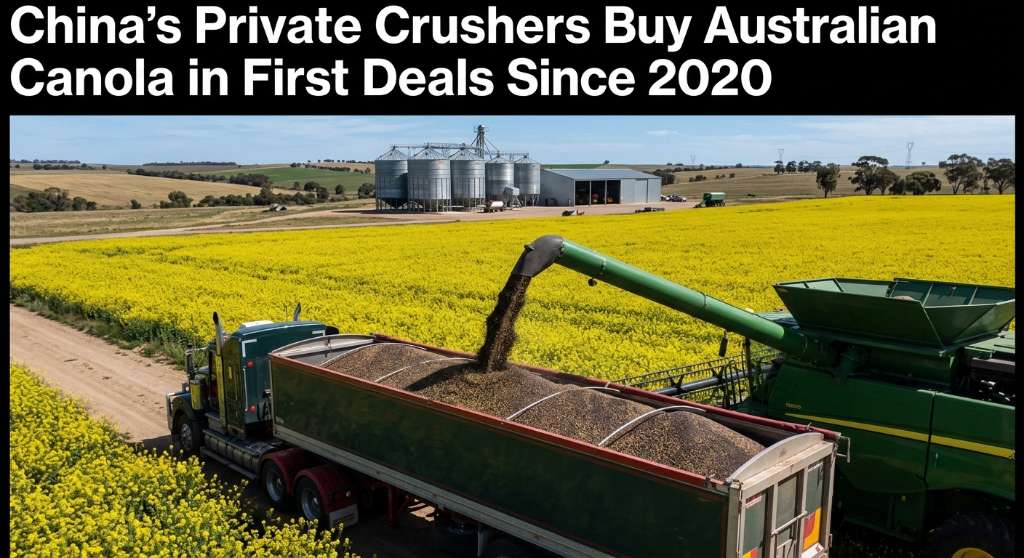
A Chinese private processor has purchased 68,000 tonnes of new-season Australian canola for shipment in March, marking the first known private-sector pu...
Darwin Northern Territory · Other News · 01 Sep 2026
A scenic hike through Butterfly Gorge in the Northern Territory turned into a frightening experience when a buffalo charged at two hikers. ABC Darwin reported the story today, 1...
Coffs Harbour New South Wales · Other News · 01 Sep 2026
A Safe Work NSW inspection blitz across the Coffs Harbour region has uncovered dozens of workplace-safety issues in the horticulture industry. The operation followed concerns ab...
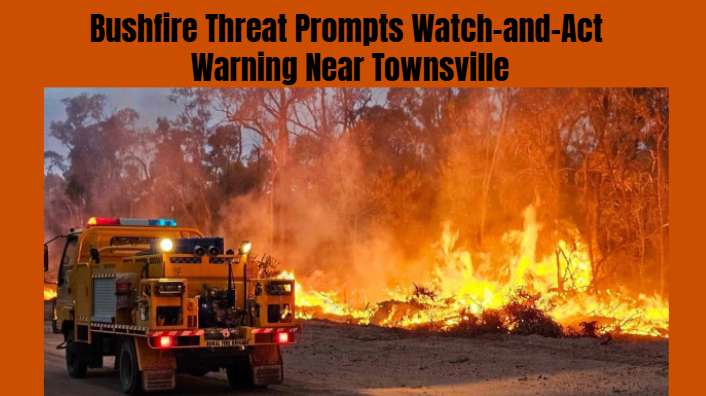
Fire crews and water-bombing helicopters are responding to a fast-moving bushfire near Oak Valley, north of Townsville, as residents in nearby areas are...
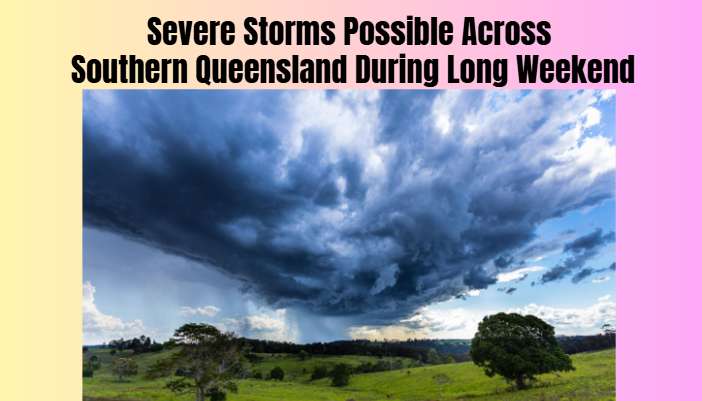
The Bureau of Meteorology is warning of possible thunderstorms across southern Queensland during the King’s Birthday long weekend, with unsettled weathe...
Changes to Australia’s working holiday visa program have raised concerns among tourism and hospitality businesses in Far North Queensland, where backpac...
Queensland Police established an emergency exclusion zone in Kallangur, north of Brisbane, after receiving reports of an armed person inside a residence...
A 36-year-old man extradited from Perth has received a suspended prison sentence after being convicted over a violent incident involving four people at...
Darwin's Frontier Bar and Grill manager Aston Bell has received two industry awards, recognising her leadership, customer service and contribution to th...
A teenager from Devonport has died and four other people were injured after a serious crash involving a ute on Mersey Main Road near Latrobe, Tasmania.