Safety note: Admin approval is an initial review, not a guarantee that every detail is correct. Check important or urgent claims with official sources and report anything inaccurate or unsafe.
Source and credit: Contributor's own report
Moringa growers fight to overturn FSANZ decision preventing sale as food product - Brisbane, QLD
Smart summary
Australian Moringa oleifera growers are seeking to overturn a decision by Food Standards Australia New Zealand (FSANZ) that prevents the plant from being sold as a food or food ingredient, saying the ruling threatens...
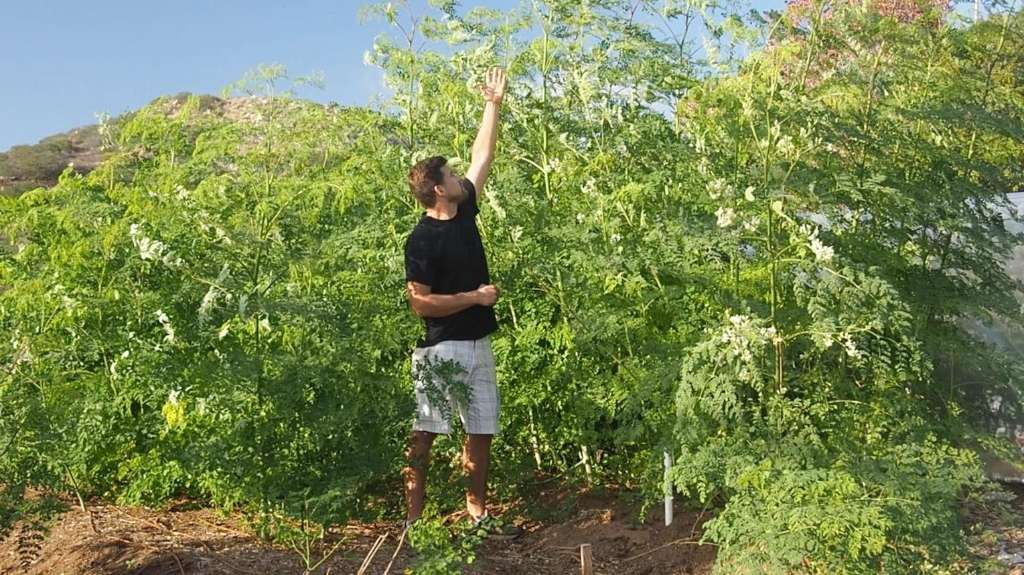
Australian farmers growing Moringa oleifera, commonly known as the drumstick tree, are pushing for a review of a decision that has stopped the plant from being sold as a food product in Australia.
The move follows a decision by Food Standards Australia New Zealand (FSANZ) in November 2025 to reject an application seeking approval for moringa leaves, immature pods and seed oil to be sold as food or used as food ingredients. FSANZ said it could not establish that the products were safe for human consumption based on the available scientific evidence provided.
The decision has created uncertainty for Australian growers who invested in developing moringa farms, particularly in regional Queensland. Grower Gary Duffy, from the Somerset region, is leading efforts to submit a new application aimed at reversing the decision. He said the outcome was critical for growers whose livelihoods depend on being able to sell their crops.
Moringa has been used as a food source in parts of India, Africa and the Middle East for generations. The leaves are commonly used in cooking, while immature seed pods — often called "drumsticks" — are used in traditional dishes. The plant has also become popular internationally as a health supplement and is often marketed as a nutrient-rich "superfood".
However, FSANZ classified moringa as a novel food, meaning it requires safety assessment before it can be approved for commercial food sale in Australia and New Zealand. The regulator said its assessment identified concerns including limited safety data and conflicting research findings relating to possible reproductive effects and other health risks.
The ruling means fresh or dried moringa leaves, green pods and seed oil cannot be sold as food products in Australia. Imported products affected by the decision may also fail food safety checks at the border. However, some therapeutic products containing moringa may still be available if they are separately registered through the Therapeutic Goods Administration (TGA).
For some farmers, the decision has created significant financial pressure. Joel Molloy, a Wide Bay grower, said he had invested heavily in establishing a moringa farm and was uncertain whether his upcoming harvest could be sold. He said growers felt they had not been given enough warning before the regulatory decision was made.
Food safety experts have defended FSANZ’s cautious approach, saying regulators must ensure there is strong scientific evidence before approving new foods for widespread consumption. They argue that protecting consumers requires careful assessment of products that do not have an established history of use in Australia.
Growers are now hoping a new application can provide additional evidence and address FSANZ’s concerns. However, authorities have indicated that a fresh assessment process could take significant time, potentially leaving farmers uncertain about the future of the industry.
The dispute highlights the challenge between supporting emerging agricultural industries and ensuring strict food safety standards. For moringa growers, the outcome could determine whether the plant becomes a new regional farming opportunity or remains restricted as a commercial food product in Australia.
FoodMoringaDecisionFsanzGrowers
Australian farmers growing Moringa oleifera, commonly known as the drumstick tree, are pushing for a review of a decision that has stopped the plant from being sold as a food product in Australia.
The move follows a decision by Food Standards Australia New Zealand (FSANZ) in November 2025 to reject an application seeking approval for moringa leaves, immature pods and seed oil to be sold as food or used as food ingredients. FSANZ said it could not establish that the products were safe for human consumption based on the available scientific evidence provided.
The decision has created uncertainty for Australian growers who invested in developing moringa farms, particularly in regional Queensland. Grower Gary Duffy, from the Somerset region, is leading efforts to submit a new application aimed at reversing the decision. He said the outcome was critical for growers whose livelihoods depend on being able to sell their crops.
Moringa has been used as a food source in parts of India, Africa and the Middle East for generations. The leaves are commonly used in cooking, while immature seed pods — often called "drumsticks" — are used in traditional dishes. The plant has also become popular internationally as a health supplement and is often marketed as a nutrient-rich "superfood".
However, FSANZ classified moringa as a novel food, meaning it requires safety assessment before it can be approved for commercial food sale in Australia and New Zealand. The regulator said its assessment identified concerns including limited safety data and conflicting research findings relating to possible reproductive effects and other health risks.
The ruling means fresh or dried moringa leaves, green pods and seed oil cannot be sold as food products in Australia. Imported products affected by the decision may also fail food safety checks at the border. However, some therapeutic products containing moringa may still be available if they are separately registered through the Therapeutic Goods Administration (TGA).
For some farmers, the decision has created significant financial pressure. Joel Molloy, a Wide Bay grower, said he had invested heavily in establishing a moringa farm and was uncertain whether his upcoming harvest could be sold. He said growers felt they had not been given enough warning before the regulatory decision was made.
Food safety experts have defended FSANZ’s cautious approach, saying regulators must ensure there is strong scientific evidence before approving new foods for widespread consumption. They argue that protecting consumers requires careful assessment of products that do not have an established history of use in Australia.
Growers are now hoping a new application can provide additional evidence and address FSANZ’s concerns. However, authorities have indicated that a fresh assessment process could take significant time, potentially leaving farmers uncertain about the future of the industry.
The dispute highlights the challenge between supporting emerging agricultural industries and ensuring strict food safety standards. For moringa growers, the outcome could determine whether the plant becomes a new regional farming opportunity or remains restricted as a commercial food product in Australia.
A new feasibility study has backed plans for a permanent fresh food and dining market in central Geelong, with the project forecast to generate signific...
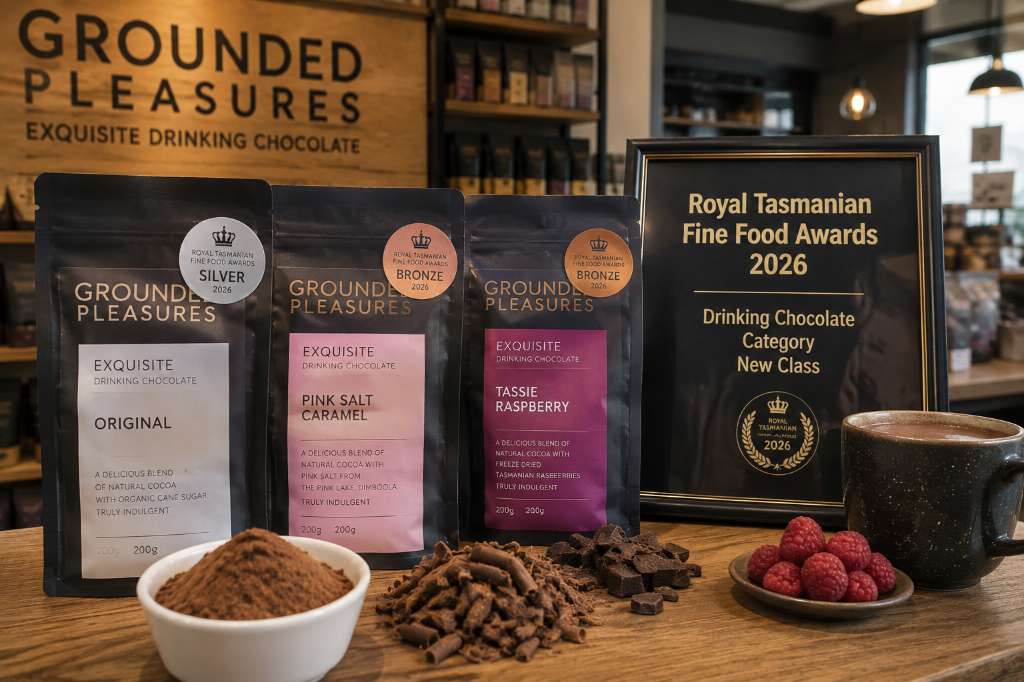
Grounded Pleasures has earned three medals at the Royal Tasmanian Fine Food Awards, recognising its Ballarat-made drinking chocolate products in the com...
Queensland's emerging football prospects are coming together for a three-day Brisbane Lions State Academy showcase, giving young players an opportunity...
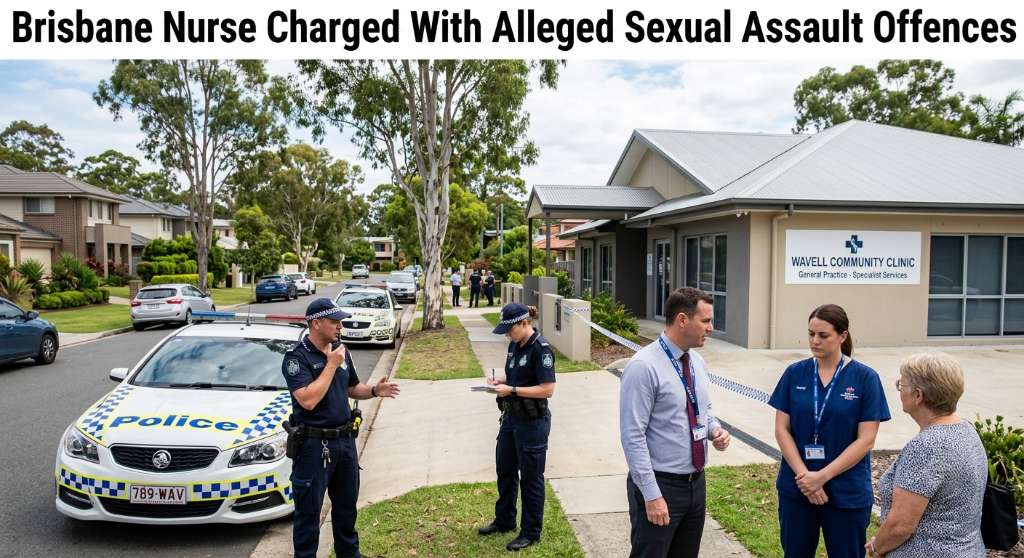
A Wavell Heights enrolled nurse has been charged with four counts of alleged sexual assault and one count of wilful exposure, with his professional regi...
A 24-year-old Carina Heights man has been charged with 36 offences following an investigation into alleged break-ins, vehicle offences and other propert...
Cairns Regional Council has unanimously voted to seek $400,000 in Queensland Government funding for a program designed to connect local businesses with the region’s growing film...
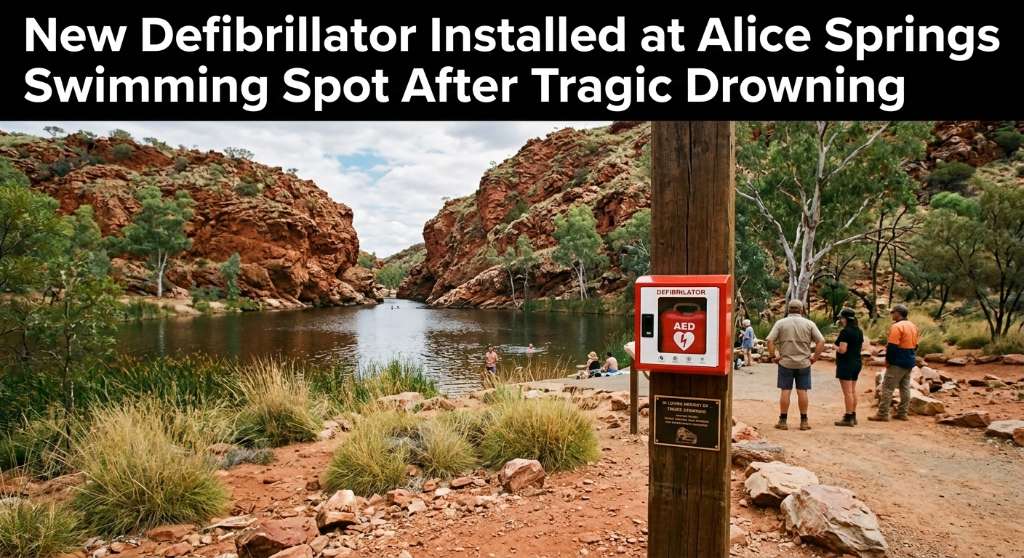
An automated external defibrillator and memorial plaque have been installed at Ellery Creek Big Hole following the death of disability advocate Ellen Fr...
Queensland firefighters spent several hours monitoring a significant grass fire at Mary Kinross Park in Bargara, near Bundaberg, after the blaze broke out on Wednesday evening....