Safety note: Admin approval is an initial review, not a guarantee that every detail is correct. Check important or urgent claims with official sources and report anything inaccurate or unsafe.
Source and credit: Contributor's own report
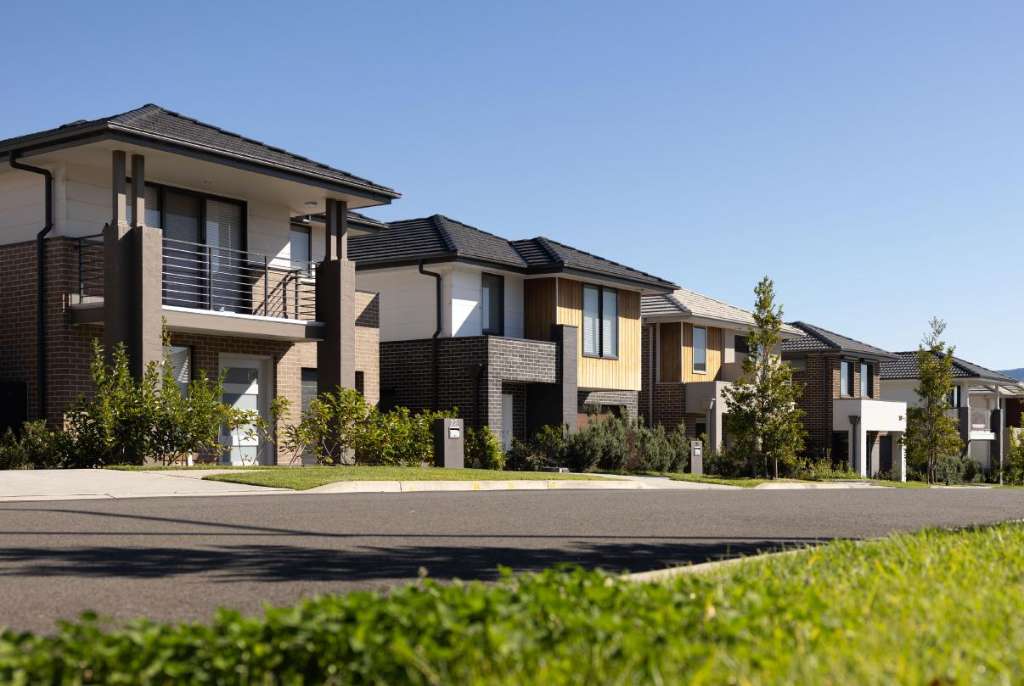
Sydney family's home loses $140,000 in value as housing downturn hits owners - Sydney, NSW
Smart summary
A Sydney family says they have watched the value of their home fall by about $140,000 in just a few months as Australia's property downturn deepens, leaving recent buyers increasingly concerned about negative equity a...
A Sydney family has shared the financial impact of Australia's slowing property market after seeing the value of their home fall by approximately $140,000, highlighting the growing pressure facing homeowners during the country's housing downturn.
Penny and her family purchased their Sydney home expecting the property market would remain relatively stable. Instead, recent declines in housing values have significantly reduced the estimated value of their property, leaving them concerned about their financial position and the possibility of negative equity if prices continue to fall. Their experience reflects the challenges now confronting many Australians who bought homes during periods of higher property prices.
Australia's housing market has weakened noticeably in recent months. According to property data released by Cotality (formerly Core Logic), national dwelling values recorded their largest monthly decline since late 2022. Sydney has been one of the hardest-hit markets, with home values falling more rapidly than most other capital cities due to higher interest rates, reduced buyer confidence and recent tax policy changes affecting investors.
Property analysts say homeowners who purchased recently with small deposits are particularly vulnerable. If property values continue to decline, some owners may owe more on their mortgage than their home is worth, a situation commonly known as negative equity. While this does not immediately affect owners who continue meeting their mortgage repayments, it can create difficulties if they need to sell or refinance their property.
Despite the fall in values, economists note that Australia's housing market remains considerably more expensive than it was a decade ago. However, the recent correction has created uncertainty for buyers and sellers alike. Auction clearance rates in Sydney have remained weak, indicating reduced competition among buyers and increasing pressure on vendors to lower asking prices.
Financial experts advise homeowners not to panic during periods of market volatility. For families intending to remain in their homes over the long term, short-term fluctuations in property values may have limited practical impact. Nevertheless, recent buyers and investors carrying high levels of debt are being encouraged to review their finances carefully and prepare for the possibility of continued market weakness.
Several major banks and economists expect housing conditions to remain soft throughout 2026, with forecasts ranging from modest declines to more significant corrections in Sydney and Melbourne before the market eventually stabilises. The outlook will depend largely on future interest rate decisions, economic confidence and housing supply.
For Penny and her family, the drop in their home's value is a reminder that property prices do not always move upwards. While they remain committed to their home, they say the experience has been financially and emotionally challenging, particularly after making one of the biggest investments of their lives. Their story illustrates the uncertainty many Australian homeowners are now facing as the property market adjusts after years of sustained growth.
PropertyMarketHomeHousingSydney
A Sydney family has shared the financial impact of Australia's slowing property market after seeing the value of their home fall by approximately $140,000, highlighting the growing pressure facing homeowners during the country's housing downturn.
Penny and her family purchased their Sydney home expecting the property market would remain relatively stable. Instead, recent declines in housing values have significantly reduced the estimated value of their property, leaving them concerned about their financial position and the possibility of negative equity if prices continue to fall. Their experience reflects the challenges now confronting many Australians who bought homes during periods of higher property prices.
Australia's housing market has weakened noticeably in recent months. According to property data released by Cotality (formerly Core Logic), national dwelling values recorded their largest monthly decline since late 2022. Sydney has been one of the hardest-hit markets, with home values falling more rapidly than most other capital cities due to higher interest rates, reduced buyer confidence and recent tax policy changes affecting investors.
Property analysts say homeowners who purchased recently with small deposits are particularly vulnerable. If property values continue to decline, some owners may owe more on their mortgage than their home is worth, a situation commonly known as negative equity. While this does not immediately affect owners who continue meeting their mortgage repayments, it can create difficulties if they need to sell or refinance their property.
Despite the fall in values, economists note that Australia's housing market remains considerably more expensive than it was a decade ago. However, the recent correction has created uncertainty for buyers and sellers alike. Auction clearance rates in Sydney have remained weak, indicating reduced competition among buyers and increasing pressure on vendors to lower asking prices.
Financial experts advise homeowners not to panic during periods of market volatility. For families intending to remain in their homes over the long term, short-term fluctuations in property values may have limited practical impact. Nevertheless, recent buyers and investors carrying high levels of debt are being encouraged to review their finances carefully and prepare for the possibility of continued market weakness.
Several major banks and economists expect housing conditions to remain soft throughout 2026, with forecasts ranging from modest declines to more significant corrections in Sydney and Melbourne before the market eventually stabilises. The outlook will depend largely on future interest rate decisions, economic confidence and housing supply.
For Penny and her family, the drop in their home's value is a reminder that property prices do not always move upwards. While they remain committed to their home, they say the experience has been financially and emotionally challenging, particularly after making one of the biggest investments of their lives. Their story illustrates the uncertainty many Australian homeowners are now facing as the property market adjusts after years of sustained growth.
An Edge Early Learning centre in Port Augusta has been ordered to close for two weeks after a child with allergies was hospitalised after being given fo...
The statewide scheme allows eligible renters to transfer their existing bond directly to a new rental property instead of paying a second bond upfront.
Global diesel shortages and disrupted shipping routes are pushing up fuel costs and creating growing risks for Australia’s farmers, miners and wider eco...
Central Coast New South Wales · General News · 15 Sep 2026
A teenager accused of negligent driving following a fatal crash on the NSW Central Coast has been refused bail in court today, Tuesday, September 15, 2026. The case follows a se...
A 36-year-old man has been charged after investigators allegedly found fraudulent identification documents, cloned number plates, cash and drug-manufact...
A Sydney court has heard that a man sent 249 messages to a former partner within 24 hours, with the messages treated as a single alleged breach of an ap...
A high-profile athlete has returned to court and told the hearing that an alleged unwanted kiss by former broadcaster Alan Jones remained difficult to f...
Work on the $150 million Sydney Town Hall Square project has been paused after the NSW Planning Minister referred the development for review by the Inde...
Cairns Regional Council has unanimously voted to seek $400,000 in Queensland Government funding for a program designed to connect local businesses with the region’s growing film...
An automated external defibrillator and memorial plaque have been installed at Ellery Creek Big Hole following the death of disability advocate Ellen Fr...
Queensland firefighters spent several hours monitoring a significant grass fire at Mary Kinross Park in Bargara, near Bundaberg, after the blaze broke out on Wednesday evening....