Safety note: Admin approval is an initial review, not a guarantee that every detail is correct. Check important or urgent claims with official sources and report anything inaccurate or unsafe.
Source and credit: Contributor's own report
How the Gold Rush Shaped Victoria’s Cities and Built the Foundations of Modern Communities - Melbourne, VIC
Smart summary
ABC’s How the Gold Rush Shaped Victoria explores how the discovery of gold transformed Victoria’s towns, cities, landscapes and economy, leaving a lasting impact that can still be seen today.
Victoria’s gold rush was one of the most significant events in Australian history, transforming a small colonial settlement into a thriving region filled with new cities, industries and communities. The ABC Listen series How the Gold Rush Shaped Victoria examines how the search for gold changed the state and influenced the development of many towns that continue to play an important role today.
The discovery of gold in Victoria during the 1850s attracted thousands of people from across Australia and around the world. Prospectors, workers, entrepreneurs and families arrived hoping to find wealth and new opportunities. The population growth created a demand for roads, railways, businesses, government services and housing, helping regional towns grow rapidly into established communities.
Cities such as Ballarat and Bendigo became major centres during the gold rush era. Ballarat became famous for its rich goldfields and the historic Eureka Stockade, while Bendigo grew from a rural settlement into one of Victoria’s largest inland cities. The wealth generated from mining also contributed to Melbourne’s rapid expansion, helping the city develop into a major financial and cultural centre.
The gold rush did more than create economic growth. It shaped the identity, architecture and culture of Victoria. Historic buildings, streetscapes and heritage sites across towns including Ballarat, Bendigo, Castlemaine and other goldfields communities still reflect the influence of the 19th-century mining boom.
The ABC episode focusing on cities explores how gold transformed settlements into permanent communities. Mining camps that once consisted of temporary tents developed into towns with schools, hospitals, banks, shops and public buildings. These developments created the foundations for many regional cities that exist today.
However, the gold rush also brought significant environmental and social changes. Large-scale mining altered landscapes, affected waterways and changed traditional land use. The rapid arrival of settlers also had major impacts on Aboriginal communities and the environment across Victoria’s goldfields.
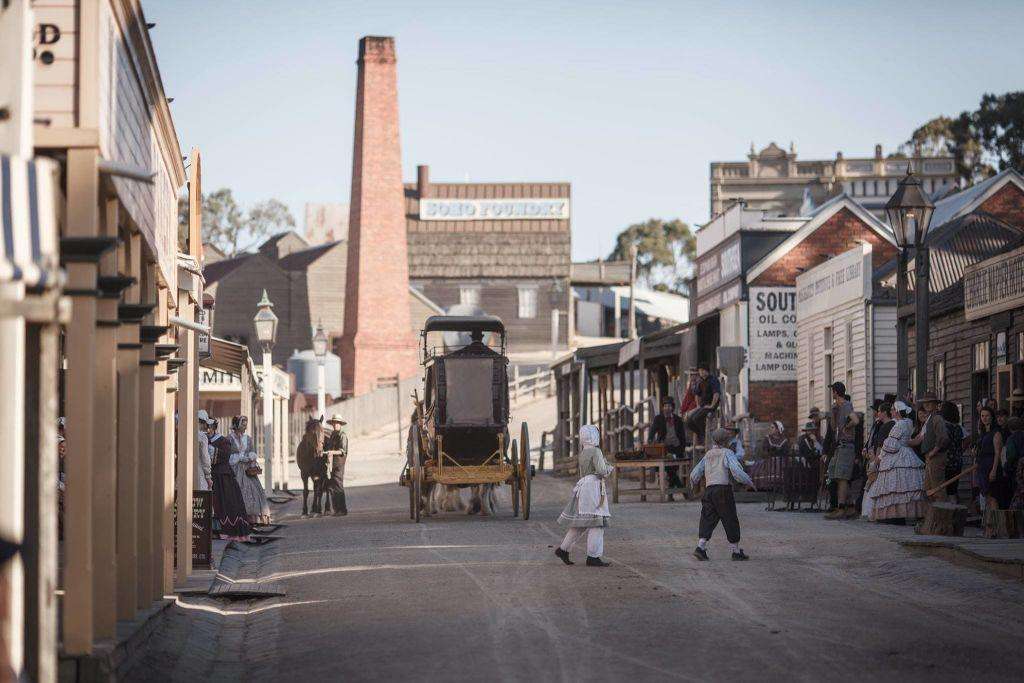
Modern Victoria continues to benefit from the legacy of the gold rush through tourism, heritage conservation and regional development. Historic attractions such as Sovereign Hill in Ballarat preserve stories of mining life and allow visitors to experience the atmosphere of the 1850s goldfields.
The gold rush remains a defining chapter in Victoria’s history. It created wealth, encouraged migration, influenced democracy and helped shape the cities and communities that make up the state today. The ABC series highlights how events from more than 170 years ago continue to influence Victoria’s landscape, culture and identity.
GoldVictoriaRushCitiesCommunities
Victoria’s gold rush was one of the most significant events in Australian history, transforming a small colonial settlement into a thriving region filled with new cities, industries and communities. The ABC Listen series How the Gold Rush Shaped Victoria examines how the search for gold changed the state and influenced the development of many towns that continue to play an important role today.
The discovery of gold in Victoria during the 1850s attracted thousands of people from across Australia and around the world. Prospectors, workers, entrepreneurs and families arrived hoping to find wealth and new opportunities. The population growth created a demand for roads, railways, businesses, government services and housing, helping regional towns grow rapidly into established communities.
Cities such as Ballarat and Bendigo became major centres during the gold rush era. Ballarat became famous for its rich goldfields and the historic Eureka Stockade, while Bendigo grew from a rural settlement into one of Victoria’s largest inland cities. The wealth generated from mining also contributed to Melbourne’s rapid expansion, helping the city develop into a major financial and cultural centre.
The gold rush did more than create economic growth. It shaped the identity, architecture and culture of Victoria. Historic buildings, streetscapes and heritage sites across towns including Ballarat, Bendigo, Castlemaine and other goldfields communities still reflect the influence of the 19th-century mining boom.
The ABC episode focusing on cities explores how gold transformed settlements into permanent communities. Mining camps that once consisted of temporary tents developed into towns with schools, hospitals, banks, shops and public buildings. These developments created the foundations for many regional cities that exist today.
However, the gold rush also brought significant environmental and social changes. Large-scale mining altered landscapes, affected waterways and changed traditional land use. The rapid arrival of settlers also had major impacts on Aboriginal communities and the environment across Victoria’s goldfields.
Modern Victoria continues to benefit from the legacy of the gold rush through tourism, heritage conservation and regional development. Historic attractions such as Sovereign Hill in Ballarat preserve stories of mining life and allow visitors to experience the atmosphere of the 1850s goldfields.
The gold rush remains a defining chapter in Victoria’s history. It created wealth, encouraged migration, influenced democracy and helped shape the cities and communities that make up the state today. The ABC series highlights how events from more than 170 years ago continue to influence Victoria’s landscape, culture and identity.
An automated external defibrillator and memorial plaque have been installed at Ellery Creek Big Hole following the death of disability advocate Ellen Fr...
Bathurst New South Wales · Community News · 17 Sep 2026
Kerry “Pecky” Peck, a long-standing Bathurst radio personality, has been inducted into the Bathurst Business Hall of Fame in recognition of his extensive contribution to the loc...
A new specialist family-violence support model has been introduced in Ballarat, with dedicated workers now embedded alongside Victoria Police to help people experiencing family...
Orange New South Wales · Community News · 17 Sep 2026
Orange City Council has elected a new Deputy Mayor for the next two years, with the decision announced today, 17 September 2026. The council said the election took place during...
New workplace data shows staff absenteeism jumped sharply during the historic MCG NFL event, while Melbourne businesses also benefited from a major spen...
Cairns Regional Council has unanimously voted to seek $400,000 in Queensland Government funding for a program designed to connect local businesses with the region’s growing film...
An automated external defibrillator and memorial plaque have been installed at Ellery Creek Big Hole following the death of disability advocate Ellen Fr...
Queensland firefighters spent several hours monitoring a significant grass fire at Mary Kinross Park in Bargara, near Bundaberg, after the blaze broke out on Wednesday evening....