Safety note: Admin approval is an initial review, not a guarantee that every detail is correct. Check important or urgent claims with official sources and report anything inaccurate or unsafe.
Source and credit: Contributor's own report
Melbourne Professor Tells Royal Commission Campus Protest Changed His Life - Melbourne, VIC
Smart summary
University of Melbourne professor Steven Prawer has told the Royal Commission into Antisemitism and Social Cohesion that a 2024 campus protest left him feeling intimidated and forced him to adopt permanent security me...
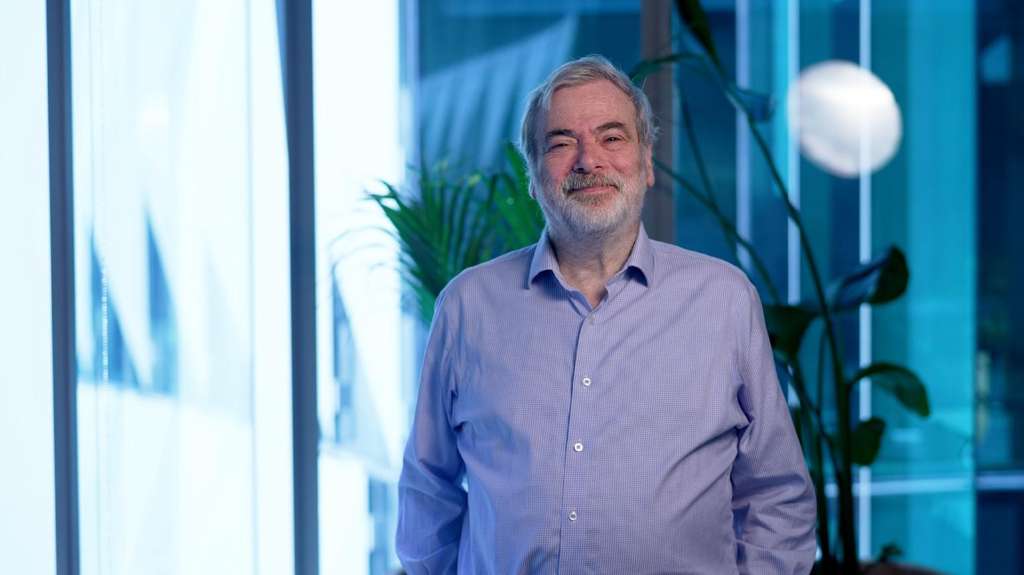
University of Melbourne physics professor Steven Prawer has given evidence before the Royal Commission into Antisemitism and Social Cohesion, describing how a 2024 protest inside his university office fundamentally changed both his professional and personal life. He said the incident left him feeling intimidated and concerned for his family's safety, leading him to install security measures at home and change the way he works on campus.
Professor Prawer told the commission that a group of protesters, some wearing masks and keffiyehs, entered his office during a demonstration linked to the University of Melbourne's partnership with the Hebrew University of Jerusalem. According to his evidence, the protesters refused to leave and shouted accusations as he attempted to exit the office, prompting university security and police to respond.
He described the protest as highly intimidating and disruptive, saying it affected not only him but also colleagues working nearby. Prawer said the experience undermined the principles of respectful academic debate that universities are expected to uphold, arguing that disagreements should never result in personal intimidation or disruption of teaching and research.
The professor said the incident has had lasting consequences. He told the commission that he installed security cameras at his home and now takes additional precautions because of concerns for his family's safety. He also explained that increased security on campus has reduced opportunities for the informal conversations with students and colleagues that he once valued as an important part of university life.
Professor Prawer criticised what he viewed as an inadequate response from sections of the university community. He expressed disappointment that a petition signed by some academics supported the student protesters and argued that disciplinary outcomes had not been made sufficiently transparent. He said he wanted stronger action to ensure Jewish staff and students feel safe on campus.
The University of Melbourne declined to comment on Prawer's latest evidence because the matter is before the Royal Commission. However, following the 2024 incident, then Vice-Chancellor Duncan Maskell publicly condemned the office occupation, describing the behaviour as unacceptable and inconsistent with the university's values.
The hearing forms part of the Royal Commission's examination of experiences of antisemitism and social cohesion at Australian universities. Over the coming days, vice-chancellors from several major universities are expected to give evidence about campus safety, freedom of expression and institutional responses to allegations of antisemitism.
The commission is hearing a range of perspectives from academics, students and university leaders as it considers recommendations aimed at improving safety, reducing discrimination and strengthening social cohesion across Australia's higher education sector.
UniversityCommissionCampusPrawerProfessor
University of Melbourne physics professor Steven Prawer has given evidence before the Royal Commission into Antisemitism and Social Cohesion, describing how a 2024 protest inside his university office fundamentally changed both his professional and personal life. He said the incident left him feeling intimidated and concerned for his family's safety, leading him to install security measures at home and change the way he works on campus.
Professor Prawer told the commission that a group of protesters, some wearing masks and keffiyehs, entered his office during a demonstration linked to the University of Melbourne's partnership with the Hebrew University of Jerusalem. According to his evidence, the protesters refused to leave and shouted accusations as he attempted to exit the office, prompting university security and police to respond.
He described the protest as highly intimidating and disruptive, saying it affected not only him but also colleagues working nearby. Prawer said the experience undermined the principles of respectful academic debate that universities are expected to uphold, arguing that disagreements should never result in personal intimidation or disruption of teaching and research.
The professor said the incident has had lasting consequences. He told the commission that he installed security cameras at his home and now takes additional precautions because of concerns for his family's safety. He also explained that increased security on campus has reduced opportunities for the informal conversations with students and colleagues that he once valued as an important part of university life.
Professor Prawer criticised what he viewed as an inadequate response from sections of the university community. He expressed disappointment that a petition signed by some academics supported the student protesters and argued that disciplinary outcomes had not been made sufficiently transparent. He said he wanted stronger action to ensure Jewish staff and students feel safe on campus.
The University of Melbourne declined to comment on Prawer's latest evidence because the matter is before the Royal Commission. However, following the 2024 incident, then Vice-Chancellor Duncan Maskell publicly condemned the office occupation, describing the behaviour as unacceptable and inconsistent with the university's values.
The hearing forms part of the Royal Commission's examination of experiences of antisemitism and social cohesion at Australian universities. Over the coming days, vice-chancellors from several major universities are expected to give evidence about campus safety, freedom of expression and institutional responses to allegations of antisemitism.
The commission is hearing a range of perspectives from academics, students and university leaders as it considers recommendations aimed at improving safety, reducing discrimination and strengthening social cohesion across Australia's higher education sector.
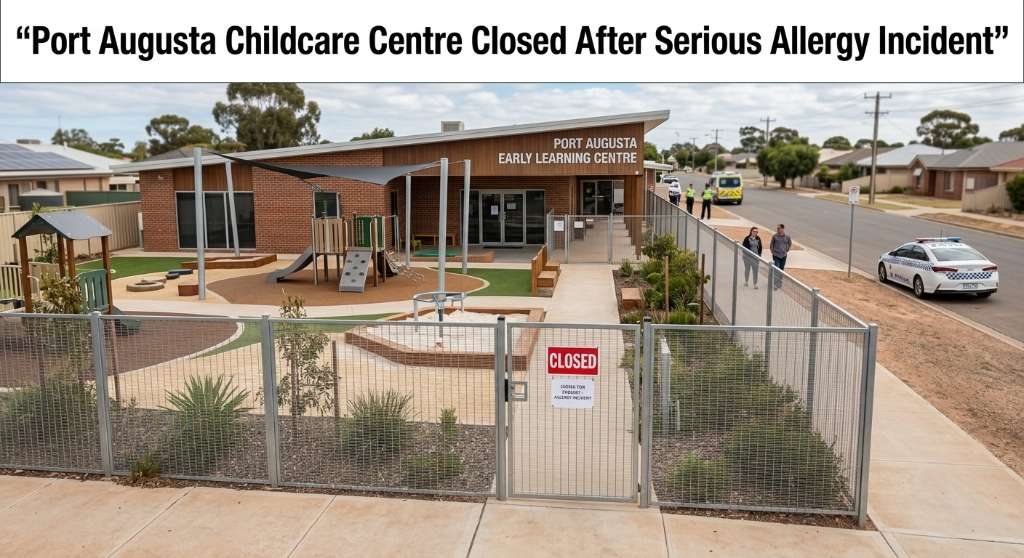
An Edge Early Learning centre in Port Augusta has been ordered to close for two weeks after a child with allergies was hospitalised after being given fo...
The statewide scheme allows eligible renters to transfer their existing bond directly to a new rental property instead of paying a second bond upfront.
Global diesel shortages and disrupted shipping routes are pushing up fuel costs and creating growing risks for Australia’s farmers, miners and wider eco...
Central Coast New South Wales · General News · 15 Sep 2026
A teenager accused of negligent driving following a fatal crash on the NSW Central Coast has been refused bail in court today, Tuesday, September 15, 2026. The case follows a se...
New workplace data shows staff absenteeism jumped sharply during the historic MCG NFL event, while Melbourne businesses also benefited from a major spen...
Cairns Regional Council has unanimously voted to seek $400,000 in Queensland Government funding for a program designed to connect local businesses with the region’s growing film...
An automated external defibrillator and memorial plaque have been installed at Ellery Creek Big Hole following the death of disability advocate Ellen Fr...
Queensland firefighters spent several hours monitoring a significant grass fire at Mary Kinross Park in Bargara, near Bundaberg, after the blaze broke out on Wednesday evening....