Safety note: Admin approval is an initial review, not a guarantee that every detail is correct. Check important or urgent claims with official sources and report anything inaccurate or unsafe.
Source and credit: Contributor's own report
Queensland Domestic Violence Services Face Funding Cuts as Advocates Warn of Growing Pressure - Brisbane, QLD
Smart summary
Family and domestic violence organisations have criticised Queensland funding reductions, warning that cuts could affect frontline support services at a time when demand for assistance remains high.
Domestic violence support organisations in Queensland have raised concerns over government funding cuts, warning that reduced resources could place additional pressure on services supporting victims and families experiencing domestic and family violence. The issue has sparked political debate, with opposition figures describing the funding reduction as unacceptable and calling for greater investment in prevention and support programs.
The funding changes have attracted criticism from community organisations that provide crisis support, counselling, accommodation assistance and safety planning for people affected by domestic violence. Advocates argue that these services rely on stable funding to maintain trained staff, respond quickly to emergencies and provide long-term support for survivors.
Support groups say demand for domestic violence assistance continues to increase, with frontline workers already managing high workloads. They warn that reductions in funding could lead to longer waiting times, fewer available services and increased pressure on organisations operating across metropolitan and regional Queensland.
The Queensland Opposition has criticised the funding cuts, describing them as a backward step in efforts to prevent family and domestic violence. Opposition representatives have argued that investment in prevention programs, early intervention and survivor support is essential to reducing harm and improving community safety.
The Queensland Government has defended its approach, stating that funding changes are linked to the conclusion of specific temporary programs and that broader reforms are continuing. Government representatives said they remain committed to addressing domestic and family violence through a range of initiatives, including prevention strategies and improved responses for victims.
Domestic violence advocates have called for transparency around future funding arrangements, saying organisations need certainty to plan services and retain experienced workers. They argue that short-term funding models make it difficult to provide consistent support for people who may require assistance over extended periods.
The debate comes amid continued national concern about domestic and family violence. Community leaders say governments, service providers and the wider community must work together to improve prevention, strengthen support systems and ensure people experiencing violence can access help when they need it.
Support organisations also emphasise the importance of early intervention programs aimed at changing attitudes, educating communities and preventing violence before it occurs. They say long-term solutions require investment not only in crisis response but also in education, awareness and offender accountability programs.
Regional communities remain a particular focus, with advocates highlighting the challenges faced by people outside major cities, including fewer support services, transport barriers and limited access to specialist assistance.
The funding debate has renewed calls for governments to prioritise domestic violence prevention and ensure frontline organisations have adequate resources. Advocates say consistent investment is necessary to protect vulnerable people and build safer communities across Queensland.
ViolenceFundingDomesticSupportOrganisations
Domestic violence support organisations in Queensland have raised concerns over government funding cuts, warning that reduced resources could place additional pressure on services supporting victims and families experiencing domestic and family violence. The issue has sparked political debate, with opposition figures describing the funding reduction as unacceptable and calling for greater investment in prevention and support programs.
The funding changes have attracted criticism from community organisations that provide crisis support, counselling, accommodation assistance and safety planning for people affected by domestic violence. Advocates argue that these services rely on stable funding to maintain trained staff, respond quickly to emergencies and provide long-term support for survivors.
Support groups say demand for domestic violence assistance continues to increase, with frontline workers already managing high workloads. They warn that reductions in funding could lead to longer waiting times, fewer available services and increased pressure on organisations operating across metropolitan and regional Queensland.
The Queensland Opposition has criticised the funding cuts, describing them as a backward step in efforts to prevent family and domestic violence. Opposition representatives have argued that investment in prevention programs, early intervention and survivor support is essential to reducing harm and improving community safety.
The Queensland Government has defended its approach, stating that funding changes are linked to the conclusion of specific temporary programs and that broader reforms are continuing. Government representatives said they remain committed to addressing domestic and family violence through a range of initiatives, including prevention strategies and improved responses for victims.
Domestic violence advocates have called for transparency around future funding arrangements, saying organisations need certainty to plan services and retain experienced workers. They argue that short-term funding models make it difficult to provide consistent support for people who may require assistance over extended periods.
The debate comes amid continued national concern about domestic and family violence. Community leaders say governments, service providers and the wider community must work together to improve prevention, strengthen support systems and ensure people experiencing violence can access help when they need it.
Support organisations also emphasise the importance of early intervention programs aimed at changing attitudes, educating communities and preventing violence before it occurs. They say long-term solutions require investment not only in crisis response but also in education, awareness and offender accountability programs.
Regional communities remain a particular focus, with advocates highlighting the challenges faced by people outside major cities, including fewer support services, transport barriers and limited access to specialist assistance.
The funding debate has renewed calls for governments to prioritise domestic violence prevention and ensure frontline organisations have adequate resources. Advocates say consistent investment is necessary to protect vulnerable people and build safer communities across Queensland.
An automated external defibrillator and memorial plaque have been installed at Ellery Creek Big Hole following the death of disability advocate Ellen Fr...
Bathurst New South Wales · Community News · 17 Sep 2026
Kerry “Pecky” Peck, a long-standing Bathurst radio personality, has been inducted into the Bathurst Business Hall of Fame in recognition of his extensive contribution to the loc...
A new specialist family-violence support model has been introduced in Ballarat, with dedicated workers now embedded alongside Victoria Police to help people experiencing family...
Orange New South Wales · Community News · 17 Sep 2026
Orange City Council has elected a new Deputy Mayor for the next two years, with the decision announced today, 17 September 2026. The council said the election took place during...
Queensland's emerging football prospects are coming together for a three-day Brisbane Lions State Academy showcase, giving young players an opportunity...
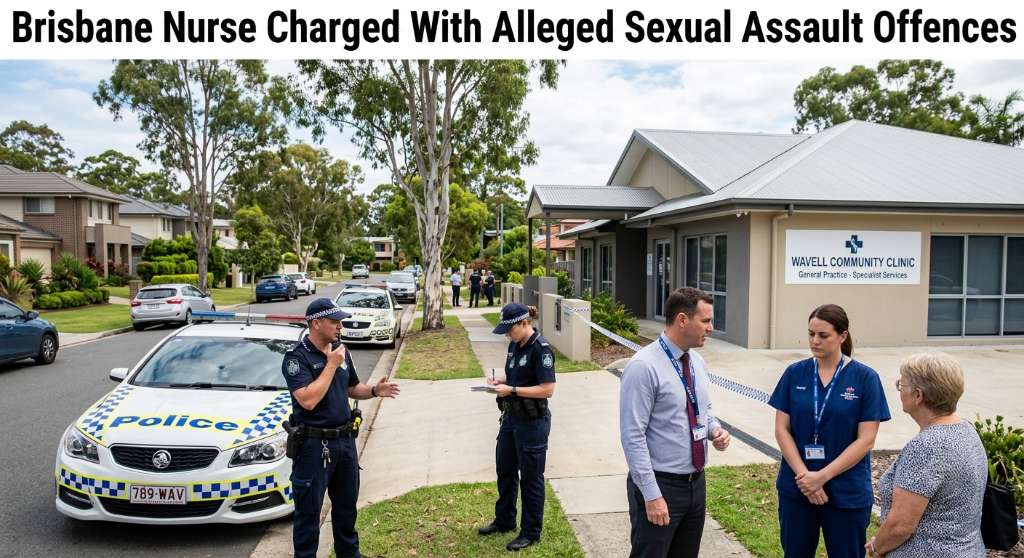
A Wavell Heights enrolled nurse has been charged with four counts of alleged sexual assault and one count of wilful exposure, with his professional regi...
A 24-year-old Carina Heights man has been charged with 36 offences following an investigation into alleged break-ins, vehicle offences and other propert...
Cairns Regional Council has unanimously voted to seek $400,000 in Queensland Government funding for a program designed to connect local businesses with the region’s growing film...
An automated external defibrillator and memorial plaque have been installed at Ellery Creek Big Hole following the death of disability advocate Ellen Fr...
Queensland firefighters spent several hours monitoring a significant grass fire at Mary Kinross Park in Bargara, near Bundaberg, after the blaze broke out on Wednesday evening....