Safety note: Admin approval is an initial review, not a guarantee that every detail is correct. Check important or urgent claims with official sources and report anything inaccurate or unsafe.
Source and credit: Contributor's own report
Sick Bird Found at Noosa as Queensland Authorities Prepare for Possible Avian Influenza Threat - Sunshine Coast, QLD
Smart summary
A northern giant petrel found unwell on the Sunshine Coast has been placed in quarantine while authorities test for avian influenza, prompting increased biosecurity monitoring across Queensland.
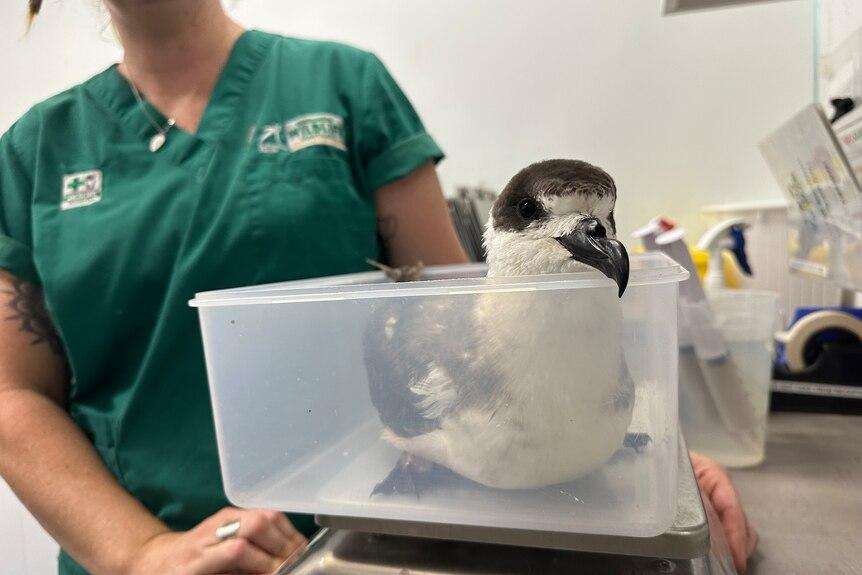
Queensland authorities are investigating a suspected case of avian influenza after a sick northern giant petrel was found at Noosa on the Sunshine Coast. The bird was rescued by wildlife carers and placed into quarantine while testing is carried out to determine whether it has contracted the H5 strain of bird flu.
The sick seabird was taken to Twinnies Pelican and Seabird Rescue, where carers have implemented strict biosecurity measures while awaiting laboratory results. Wildlife workers are using protective equipment and isolation procedures to reduce the risk of possible transmission to other birds under their care.
The investigation is being managed as part of Queensland’s broader avian influenza surveillance program. Samples from the bird have been collected and are being analysed by specialist laboratories, with authorities waiting for confirmation before determining any further response measures.
The discovery comes as Australia increases monitoring for highly pathogenic avian influenza after cases have been detected among wild birds in several states. Authorities have been closely watching migratory bird movements and coastal wildlife populations because seabirds can play a role in spreading the virus over long distances.
Biosecurity officials have urged members of the public not to handle sick or dead birds found in parks, beaches or waterways. Residents who discover unusual bird deaths or visibly unwell wildlife are encouraged to report them to authorities rather than attempting to rescue or move the animals themselves.
Wildlife organisations say the situation highlights the importance of community awareness during periods of increased disease risk. Bird carers and conservation groups have been preparing for potential outbreaks by improving quarantine facilities, strengthening hygiene procedures and monitoring vulnerable species.
The northern giant petrel is a large seabird that travels widely across oceans and can encounter other migratory bird populations. Experts say monitoring these species is important because they may provide early warning signs of emerging wildlife diseases.
Authorities have reassured the public that the current risk to people remains low and there is no evidence that the suspected case has affected Queensland poultry operations. Officials continue to work with wildlife groups and scientists to track the situation and respond quickly if further cases are identified.
The Noosa case follows previous detections of avian influenza in wild birds elsewhere in Australia, increasing the focus on national biosecurity measures. Governments and wildlife organisations are encouraging people to remain cautious while supporting surveillance efforts designed to protect native birds, wildlife and agricultural industries.
Further updates will be provided once laboratory testing confirms whether the bird has tested positive for avian influenza.
BirdWildlifeAuthoritiesAvianInfluenza
Queensland authorities are investigating a suspected case of avian influenza after a sick northern giant petrel was found at Noosa on the Sunshine Coast. The bird was rescued by wildlife carers and placed into quarantine while testing is carried out to determine whether it has contracted the H5 strain of bird flu.
The sick seabird was taken to Twinnies Pelican and Seabird Rescue, where carers have implemented strict biosecurity measures while awaiting laboratory results. Wildlife workers are using protective equipment and isolation procedures to reduce the risk of possible transmission to other birds under their care.
The investigation is being managed as part of Queensland’s broader avian influenza surveillance program. Samples from the bird have been collected and are being analysed by specialist laboratories, with authorities waiting for confirmation before determining any further response measures.
The discovery comes as Australia increases monitoring for highly pathogenic avian influenza after cases have been detected among wild birds in several states. Authorities have been closely watching migratory bird movements and coastal wildlife populations because seabirds can play a role in spreading the virus over long distances.
Biosecurity officials have urged members of the public not to handle sick or dead birds found in parks, beaches or waterways. Residents who discover unusual bird deaths or visibly unwell wildlife are encouraged to report them to authorities rather than attempting to rescue or move the animals themselves.
Wildlife organisations say the situation highlights the importance of community awareness during periods of increased disease risk. Bird carers and conservation groups have been preparing for potential outbreaks by improving quarantine facilities, strengthening hygiene procedures and monitoring vulnerable species.
The northern giant petrel is a large seabird that travels widely across oceans and can encounter other migratory bird populations. Experts say monitoring these species is important because they may provide early warning signs of emerging wildlife diseases.
Authorities have reassured the public that the current risk to people remains low and there is no evidence that the suspected case has affected Queensland poultry operations. Officials continue to work with wildlife groups and scientists to track the situation and respond quickly if further cases are identified.
The Noosa case follows previous detections of avian influenza in wild birds elsewhere in Australia, increasing the focus on national biosecurity measures. Governments and wildlife organisations are encouraging people to remain cautious while supporting surveillance efforts designed to protect native birds, wildlife and agricultural industries.
Further updates will be provided once laboratory testing confirms whether the bird has tested positive for avian influenza.
New funding from local charity Wishlist is improving communication support for patients at Bundaberg Hospital, with resources designed to help people communicate more effectivel...
New figures have renewed concerns about emergency department delays at Royal Hobart Hospital, with the health system facing questions over patient waiti...
Central Coast New South Wales · Health News · 10 Sep 2026
The design for new Key Health Worker Accommodation at Wyong has been released today, with the project aimed at helping address the need for suitable accommodation for healthcare...
Queensland's emerging football prospects are coming together for a three-day Brisbane Lions State Academy showcase, giving young players an opportunity...
A Wavell Heights enrolled nurse has been charged with four counts of alleged sexual assault and one count of wilful exposure, with his professional regi...
A 24-year-old Carina Heights man has been charged with 36 offences following an investigation into alleged break-ins, vehicle offences and other propert...
Cairns Regional Council has unanimously voted to seek $400,000 in Queensland Government funding for a program designed to connect local businesses with the region’s growing film...
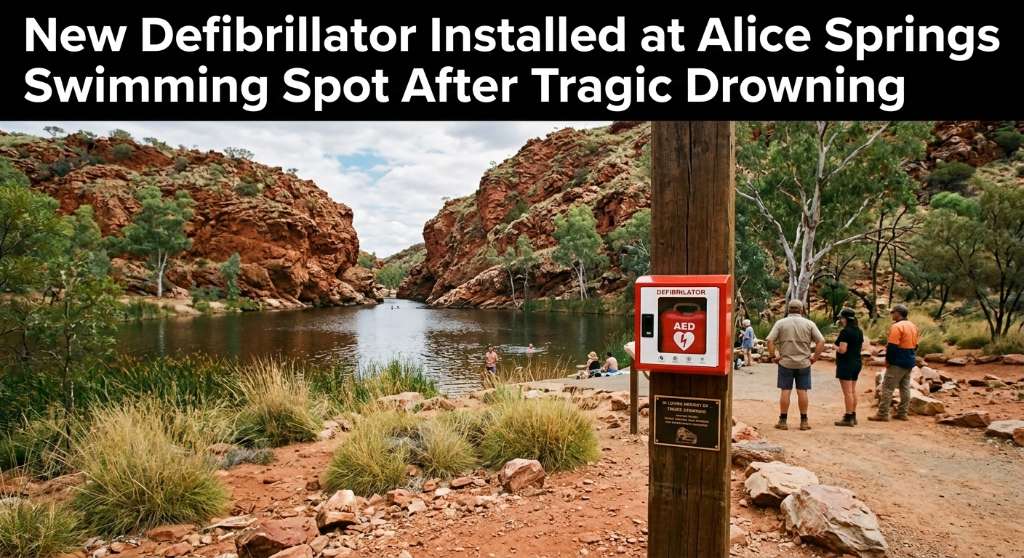
An automated external defibrillator and memorial plaque have been installed at Ellery Creek Big Hole following the death of disability advocate Ellen Fr...
Queensland firefighters spent several hours monitoring a significant grass fire at Mary Kinross Park in Bargara, near Bundaberg, after the blaze broke out on Wednesday evening....