Safety note: Admin approval is an initial review, not a guarantee that every detail is correct. Check important or urgent claims with official sources and report anything inaccurate or unsafe.
Source and credit: Contributor's own report
Sea World Helicopters CEO Blames Pilot Error at Fatal Gold Coast Crash Inquest - Gold Coast, QLD
Smart summary
An inquest into the 2023 Sea World helicopter collision has heard the departing pilot was "totally distracted" before take-off, while the operator denied company safety failures contributed to the tragedy.
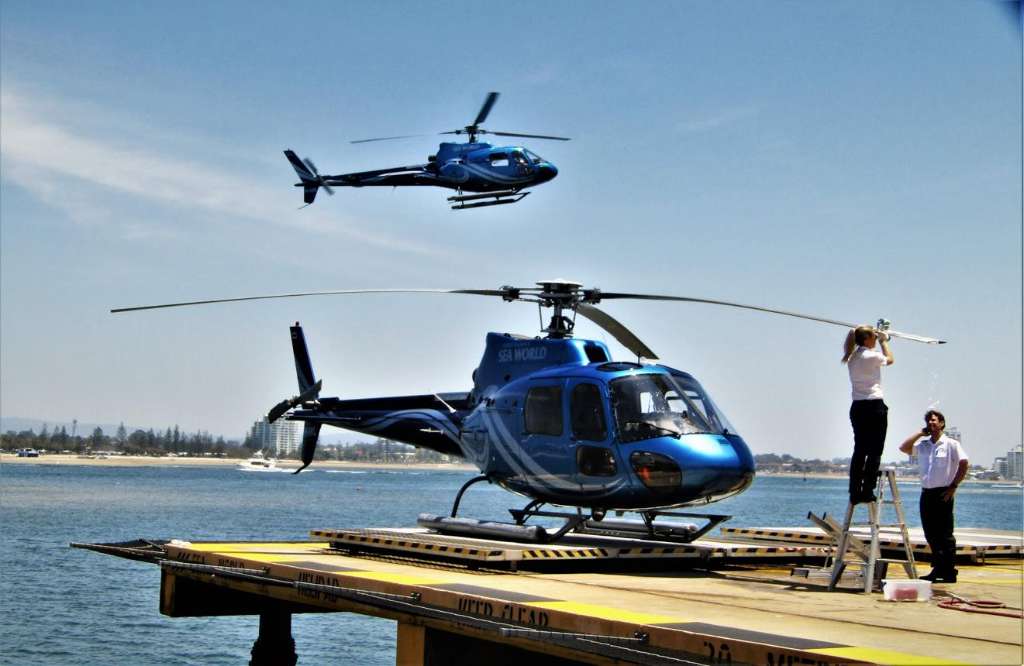
The coronial inquest into the fatal Sea World helicopter collision on the Gold Coast has heard evidence from the chief executive of Surfers Paradise Helicopters, formerly known as Sea World Helicopters, who told the court he believes pilot distraction was the primary cause of the crash that claimed four lives in January 2023.
Appearing before the Brisbane Coroners Court, CEO Brett Newman said chief pilot Ashley Jenkinson was "totally distracted" during take-off while interacting with passengers seated in the front of the helicopter. Newman told the court he believed Jenkinson focused on people and boats to his left instead of checking for aircraft approaching from the right before departing the helipad.
The collision occurred on 2 January 2023 above the Gold Coast Broadwater when Jenkinson's departing sightseeing helicopter collided with another company helicopter that was returning to land. Jenkinson and three passengers—Ron Hughes, Diane Hughes and Vanessa Tadros—were killed. The second pilot, Michael James, managed to land his badly damaged helicopter safely, and all six people on board survived.
Newman told the inquest that had Jenkinson looked properly along his flight path, he would have seen the approaching helicopter. He said the conflict point was well known to company pilots and required careful visual checks before every departure. According to Newman, the accident could not have occurred if those standard procedures had been followed.
The inquest also heard evidence relating to cocaine use by Jenkinson approximately 35 hours before the crash. Newman said he had no knowledge of the drug use and told the court the pilot would have been dismissed immediately had the company been aware. He described operating an aircraft while affected by drugs as a gross breach of aviation safety rules.
During questioning, Newman rejected suggestions that the company's safety systems had failed. He maintained that the helicopters were operating under established procedures and argued that no technology or additional safety equipment could replace a pilot's responsibility to visually clear the flight path before take-off.
The company has nevertheless introduced a number of additional safety measures since the accident. These include more frequent employee drug testing, enhanced high-visibility lighting and rotor markings on helicopters, along with other operational changes designed to improve aircraft visibility and reduce collision risks.
Lawyers representing victims' families questioned why some of those additional safety measures, including the possible use of a ground observer to monitor aircraft movements, had not been implemented before the crash. Newman responded that the company believed its experienced pilots could safely manage departures by following established procedures and maintaining proper visual awareness.
The inquest is continuing and is expected to hear further evidence from aviation experts, investigators and other witnesses before the coroner determines whether additional recommendations should be made to improve helicopter tourism safety in Australia.
HelicopterNewmanCompanyJenkinsonPilot
The coronial inquest into the fatal Sea World helicopter collision on the Gold Coast has heard evidence from the chief executive of Surfers Paradise Helicopters, formerly known as Sea World Helicopters, who told the court he believes pilot distraction was the primary cause of the crash that claimed four lives in January 2023.
Appearing before the Brisbane Coroners Court, CEO Brett Newman said chief pilot Ashley Jenkinson was "totally distracted" during take-off while interacting with passengers seated in the front of the helicopter. Newman told the court he believed Jenkinson focused on people and boats to his left instead of checking for aircraft approaching from the right before departing the helipad.
The collision occurred on 2 January 2023 above the Gold Coast Broadwater when Jenkinson's departing sightseeing helicopter collided with another company helicopter that was returning to land. Jenkinson and three passengers—Ron Hughes, Diane Hughes and Vanessa Tadros—were killed. The second pilot, Michael James, managed to land his badly damaged helicopter safely, and all six people on board survived.
Newman told the inquest that had Jenkinson looked properly along his flight path, he would have seen the approaching helicopter. He said the conflict point was well known to company pilots and required careful visual checks before every departure. According to Newman, the accident could not have occurred if those standard procedures had been followed.
The inquest also heard evidence relating to cocaine use by Jenkinson approximately 35 hours before the crash. Newman said he had no knowledge of the drug use and told the court the pilot would have been dismissed immediately had the company been aware. He described operating an aircraft while affected by drugs as a gross breach of aviation safety rules.
During questioning, Newman rejected suggestions that the company's safety systems had failed. He maintained that the helicopters were operating under established procedures and argued that no technology or additional safety equipment could replace a pilot's responsibility to visually clear the flight path before take-off.
The company has nevertheless introduced a number of additional safety measures since the accident. These include more frequent employee drug testing, enhanced high-visibility lighting and rotor markings on helicopters, along with other operational changes designed to improve aircraft visibility and reduce collision risks.
Lawyers representing victims' families questioned why some of those additional safety measures, including the possible use of a ground observer to monitor aircraft movements, had not been implemented before the crash. Newman responded that the company believed its experienced pilots could safely manage departures by following established procedures and maintaining proper visual awareness.
The inquest is continuing and is expected to hear further evidence from aviation experts, investigators and other witnesses before the coroner determines whether additional recommendations should be made to improve helicopter tourism safety in Australia.
A 21-year-old Bendigo man, Adrian Turnbull, has been sentenced to a maximum of four years and eight months in prison after pleading guilty to a series of offences committed acro...
Wagga Wagga New South Wales · Crime News · 17 Sep 2026
Riverina Police have established a specialised task force in Wagga Wagga to investigate a series of aggravated break-and-enter offences, home invasions and firearm-related incid...
Five-Year Sentence for Albury Police Siege A 36-year-old man, Stephen Bates, has been sentenced to five years in prison following a serious confrontation with police in Lavingto...
A 36-year-old man has been charged after investigators allegedly found fraudulent identification documents, cloned number plates, cash and drug-manufact...
Queensland's emerging football prospects are coming together for a three-day Brisbane Lions State Academy showcase, giving young players an opportunity...
A Wavell Heights enrolled nurse has been charged with four counts of alleged sexual assault and one count of wilful exposure, with his professional regi...
A 24-year-old Carina Heights man has been charged with 36 offences following an investigation into alleged break-ins, vehicle offences and other propert...
Cairns Regional Council has unanimously voted to seek $400,000 in Queensland Government funding for a program designed to connect local businesses with the region’s growing film...
An automated external defibrillator and memorial plaque have been installed at Ellery Creek Big Hole following the death of disability advocate Ellen Fr...
Queensland firefighters spent several hours monitoring a significant grass fire at Mary Kinross Park in Bargara, near Bundaberg, after the blaze broke out on Wednesday evening....