Safety note: Admin approval is an initial review, not a guarantee that every detail is correct. Check important or urgent claims with official sources and report anything inaccurate or unsafe.
Source and credit: Contributor's own report
Australia's Iconic Industrial Cafes Face Slow Decline as Workplace Culture Changes - Gold Coast, QLD
Smart summary
Traditional industrial snack bars that once served generations of Australian workers are disappearing, with rising costs, redevelopment and changing workplace habits threatening a long-standing part of the country's b...
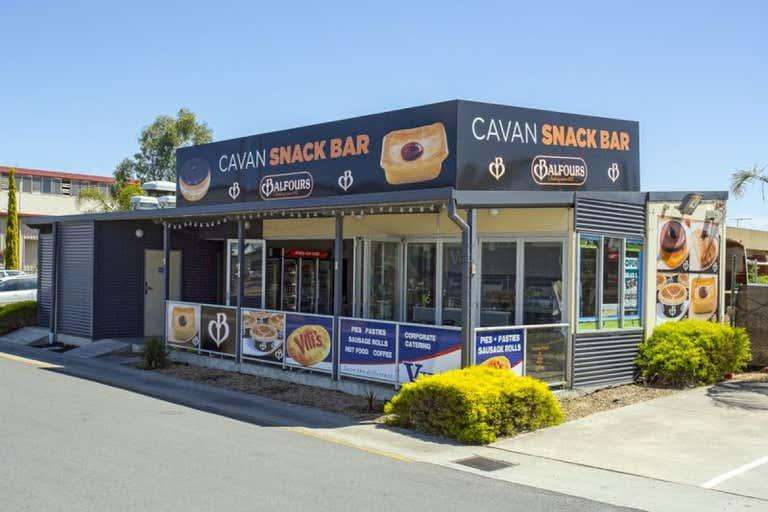
Australia's iconic industrial cafés, commonly known as tuck shops or snack bars, are gradually disappearing from industrial estates across the country, marking the decline of a unique part of Australian working-class culture. Once famous for serving hearty breakfasts, burgers, sandwiches, meat pies and deep-fried dim sims to tradespeople, truck drivers and factory workers, many of these businesses are now struggling to survive.
For decades, industrial cafés were at the centre of the traditional Australian "smoko" break, where workers gathered for a quick meal, coffee and conversation during their shifts. These modest family-run businesses became community meeting places, helping create strong relationships among workers employed in nearby factories, warehouses and workshops.
However, changing economic conditions have dramatically altered Australia's industrial precincts. Rising commercial rents, increasing property values and redevelopment have made it more difficult for small café operators to remain profitable. Many industrial areas now feature modern cafés offering specialty coffee, gourmet meals and contemporary interiors, replacing the traditional snack bars that once dominated these neighbourhoods.
Changing workplace habits have also contributed to the decline. Many employees now bring meals from home, order food through delivery services or have access to workplace kitchens and cafeterias. Flexible work arrangements and changing shift patterns have further reduced the steady customer base that industrial cafés once relied upon.
Another issue affecting the future of industrial cafés is the ongoing debate over paid workplace breaks. Some major employers have argued that the traditional 10-minute "smoko" break is becoming less relevant as smoking rates continue to decline and workplace practices evolve. The proposal has attracted strong opposition from workers and unions, who argue that these breaks remain essential for rest, wellbeing and workplace morale regardless of whether employees smoke.
Social media has helped preserve memories of these classic establishments. Online communities dedicated to reviewing industrial tuck shops have attracted thousands of followers who celebrate traditional Australian comfort food and the nostalgic atmosphere these cafés provide. Supporters say the popularity of these pages reflects a growing appreciation for a disappearing part of Australia's cultural heritage.
Hospitality experts believe the decline is not simply about changing food preferences. Instead, it reflects broader economic and social changes affecting Australian cities, where industrial precincts are evolving into mixed commercial developments with different customer expectations and higher operating costs.
Many long-time workers say industrial cafés offered something that modern venues cannot replace—a sense of community, affordability and familiarity. Friendly owners often knew customers by name, while the simple menus focused on generous portions rather than presentation or food trends. These qualities helped make industrial cafés an important part of daily working life for generations of Australians.
While a number of traditional tuck shops continue to operate, many owners are approaching retirement without successors willing to continue the business. Industry observers believe the number of these cafés will continue to decline unless younger operators find new ways to preserve the tradition while adapting to changing customer expectations.
Although Australia's industrial cafés may be disappearing, many workers continue to remember them as symbols of hard work, community spirit and a uniquely Australian workplace tradition. Their gradual decline represents not only the loss of a style of café but also the fading of an important chapter in the nation's blue-collar history.
IndustrialTheseDeclineWorkplaceMany
Australia's iconic industrial cafés, commonly known as tuck shops or snack bars, are gradually disappearing from industrial estates across the country, marking the decline of a unique part of Australian working-class culture. Once famous for serving hearty breakfasts, burgers, sandwiches, meat pies and deep-fried dim sims to tradespeople, truck drivers and factory workers, many of these businesses are now struggling to survive.
For decades, industrial cafés were at the centre of the traditional Australian "smoko" break, where workers gathered for a quick meal, coffee and conversation during their shifts. These modest family-run businesses became community meeting places, helping create strong relationships among workers employed in nearby factories, warehouses and workshops.
However, changing economic conditions have dramatically altered Australia's industrial precincts. Rising commercial rents, increasing property values and redevelopment have made it more difficult for small café operators to remain profitable. Many industrial areas now feature modern cafés offering specialty coffee, gourmet meals and contemporary interiors, replacing the traditional snack bars that once dominated these neighbourhoods.
Changing workplace habits have also contributed to the decline. Many employees now bring meals from home, order food through delivery services or have access to workplace kitchens and cafeterias. Flexible work arrangements and changing shift patterns have further reduced the steady customer base that industrial cafés once relied upon.
Another issue affecting the future of industrial cafés is the ongoing debate over paid workplace breaks. Some major employers have argued that the traditional 10-minute "smoko" break is becoming less relevant as smoking rates continue to decline and workplace practices evolve. The proposal has attracted strong opposition from workers and unions, who argue that these breaks remain essential for rest, wellbeing and workplace morale regardless of whether employees smoke.
Social media has helped preserve memories of these classic establishments. Online communities dedicated to reviewing industrial tuck shops have attracted thousands of followers who celebrate traditional Australian comfort food and the nostalgic atmosphere these cafés provide. Supporters say the popularity of these pages reflects a growing appreciation for a disappearing part of Australia's cultural heritage.
Hospitality experts believe the decline is not simply about changing food preferences. Instead, it reflects broader economic and social changes affecting Australian cities, where industrial precincts are evolving into mixed commercial developments with different customer expectations and higher operating costs.
Many long-time workers say industrial cafés offered something that modern venues cannot replace—a sense of community, affordability and familiarity. Friendly owners often knew customers by name, while the simple menus focused on generous portions rather than presentation or food trends. These qualities helped make industrial cafés an important part of daily working life for generations of Australians.
While a number of traditional tuck shops continue to operate, many owners are approaching retirement without successors willing to continue the business. Industry observers believe the number of these cafés will continue to decline unless younger operators find new ways to preserve the tradition while adapting to changing customer expectations.
Although Australia's industrial cafés may be disappearing, many workers continue to remember them as symbols of hard work, community spirit and a uniquely Australian workplace tradition. Their gradual decline represents not only the loss of a style of café but also the fading of an important chapter in the nation's blue-collar history.
A new feasibility study has backed plans for a permanent fresh food and dining market in central Geelong, with the project forecast to generate signific...
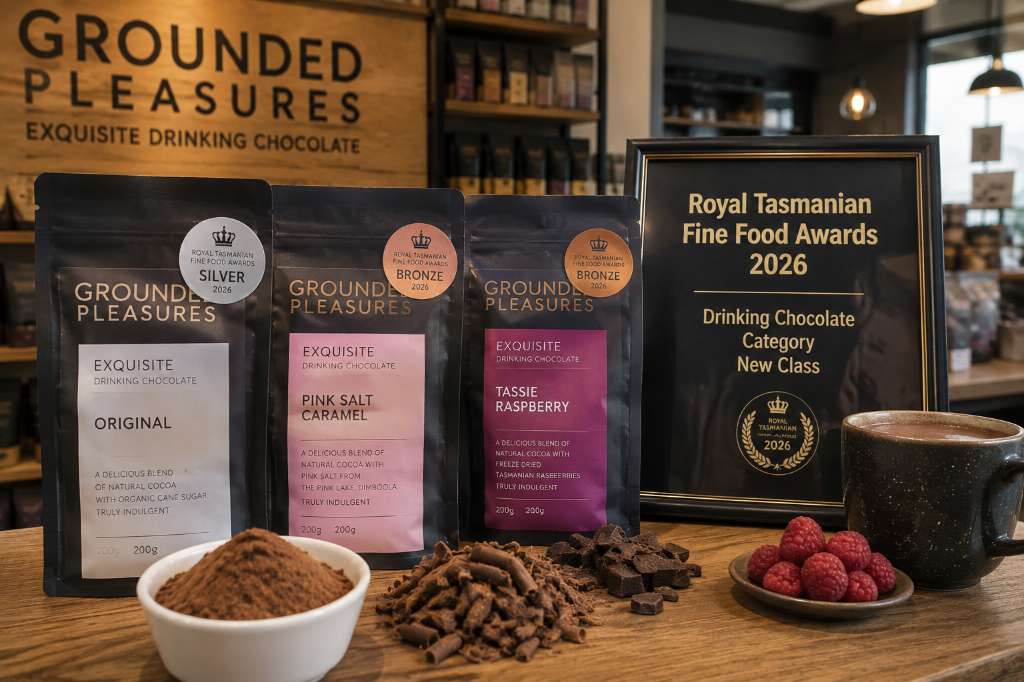
Grounded Pleasures has earned three medals at the Royal Tasmanian Fine Food Awards, recognising its Ballarat-made drinking chocolate products in the com...
Queensland's emerging football prospects are coming together for a three-day Brisbane Lions State Academy showcase, giving young players an opportunity...
A Wavell Heights enrolled nurse has been charged with four counts of alleged sexual assault and one count of wilful exposure, with his professional regi...
A 24-year-old Carina Heights man has been charged with 36 offences following an investigation into alleged break-ins, vehicle offences and other propert...
Cairns Regional Council has unanimously voted to seek $400,000 in Queensland Government funding for a program designed to connect local businesses with the region’s growing film...
An automated external defibrillator and memorial plaque have been installed at Ellery Creek Big Hole following the death of disability advocate Ellen Fr...
Queensland firefighters spent several hours monitoring a significant grass fire at Mary Kinross Park in Bargara, near Bundaberg, after the blaze broke out on Wednesday evening....