Safety note: Admin approval is an initial review, not a guarantee that every detail is correct. Check important or urgent claims with official sources and report anything inaccurate or unsafe.
Source and credit: Contributor's own report
SA Coroner Calls for Ambulance Service Reforms After Man Died While Paramedic Waited Outside - Adelaide, SA
Smart summary
A South Australian coroner has issued eight recommendations to improve emergency response procedures after finding delays in forced entry contributed to a tragic incident involving Adelaide resident David Low.
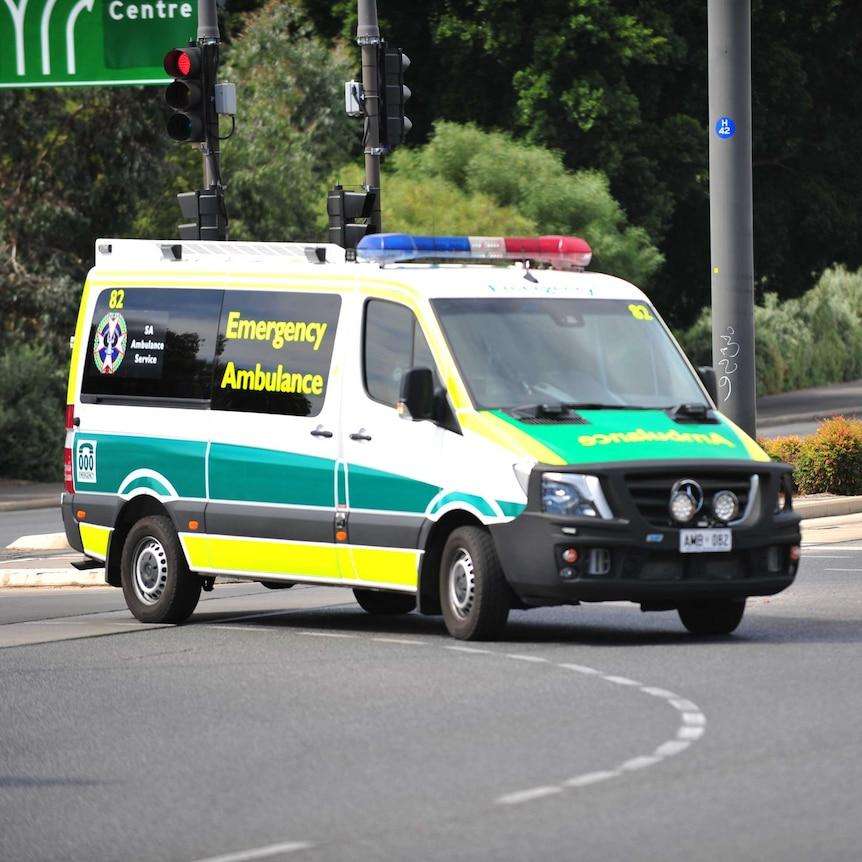
South Australia's State Coroner has recommended significant changes to the South Australian Ambulance Service (SAAS) after an inquest into the death of 64-year-old David Low, who died from heart complications while a paramedic waited outside his home before gaining entry. The findings have prompted renewed attention on emergency response procedures and forced-entry policies.
The incident occurred on 25 February 2020 after Mr Low's support worker contacted emergency services when he became distressed during a phone call and suddenly stopped responding. Although an intensive care paramedic arrived at the Kilburn home promptly, entry was delayed because the paramedic was not convinced Mr Low was inside the property.
During the inquest, evidence showed that police officers at the scene believed immediate entry was necessary, but access to the home was ultimately delayed until Mr Low's daughter arrived with a key. Medical evidence from Mr Low's pacemaker indicated he died while emergency personnel were still outside the house.
State Coroner David Whittle concluded that Mr Low's death was unlikely to have been preventable, but found the attending paramedic had a flawed understanding of the legal powers available to force entry during medical emergencies. The coroner said existing procedures and training did not provide sufficient guidance for frontline staff.
The coroner made eight recommendations, including equipping all ambulances and SPRINT response vehicles with tools to force entry when required, improving training on the legal authority to enter premises, rewriting SAAS forced-entry procedures, and considering legal protections for paramedics who make emergency entry decisions in good faith.
The findings also noted that SA Ambulance Service had already updated its forced-entry policy before the final report was released, providing greater awareness of the powers available under South Australia's Health Care Act. However, the coroner recommended further improvements to ensure the policy clearly explains when those powers should be used during urgent situations.
In response, the South Australian Government expressed condolences to Mr Low's family and confirmed it would carefully consider all recommendations. Officials said the ambulance service had already begun implementing policy changes and staff education aimed at preventing similar incidents in the future.
The case has highlighted the importance of clear emergency procedures and timely decision-making when responders believe someone inside a property may be experiencing a life-threatening medical emergency. Emergency service leaders say the recommended reforms are intended to give paramedics greater confidence and practical support when rapid intervention is required.
EmergencyCoronerEntryParamedicService
South Australia's State Coroner has recommended significant changes to the South Australian Ambulance Service (SAAS) after an inquest into the death of 64-year-old David Low, who died from heart complications while a paramedic waited outside his home before gaining entry. The findings have prompted renewed attention on emergency response procedures and forced-entry policies.
The incident occurred on 25 February 2020 after Mr Low's support worker contacted emergency services when he became distressed during a phone call and suddenly stopped responding. Although an intensive care paramedic arrived at the Kilburn home promptly, entry was delayed because the paramedic was not convinced Mr Low was inside the property.
During the inquest, evidence showed that police officers at the scene believed immediate entry was necessary, but access to the home was ultimately delayed until Mr Low's daughter arrived with a key. Medical evidence from Mr Low's pacemaker indicated he died while emergency personnel were still outside the house.
State Coroner David Whittle concluded that Mr Low's death was unlikely to have been preventable, but found the attending paramedic had a flawed understanding of the legal powers available to force entry during medical emergencies. The coroner said existing procedures and training did not provide sufficient guidance for frontline staff.
The coroner made eight recommendations, including equipping all ambulances and SPRINT response vehicles with tools to force entry when required, improving training on the legal authority to enter premises, rewriting SAAS forced-entry procedures, and considering legal protections for paramedics who make emergency entry decisions in good faith.
The findings also noted that SA Ambulance Service had already updated its forced-entry policy before the final report was released, providing greater awareness of the powers available under South Australia's Health Care Act. However, the coroner recommended further improvements to ensure the policy clearly explains when those powers should be used during urgent situations.
In response, the South Australian Government expressed condolences to Mr Low's family and confirmed it would carefully consider all recommendations. Officials said the ambulance service had already begun implementing policy changes and staff education aimed at preventing similar incidents in the future.
The case has highlighted the importance of clear emergency procedures and timely decision-making when responders believe someone inside a property may be experiencing a life-threatening medical emergency. Emergency service leaders say the recommended reforms are intended to give paramedics greater confidence and practical support when rapid intervention is required.
New funding from local charity Wishlist is improving communication support for patients at Bundaberg Hospital, with resources designed to help people communicate more effectivel...
New figures have renewed concerns about emergency department delays at Royal Hobart Hospital, with the health system facing questions over patient waiti...
Central Coast New South Wales · Health News · 10 Sep 2026
The design for new Key Health Worker Accommodation at Wyong has been released today, with the project aimed at helping address the need for suitable accommodation for healthcare...
New community information initiatives are helping residents access emergency warnings and local support as Port Augusta and the wider region prepare for...
An Edge Early Learning centre in Port Augusta has been ordered to close for two weeks after a child with allergies was hospitalised after being given fo...
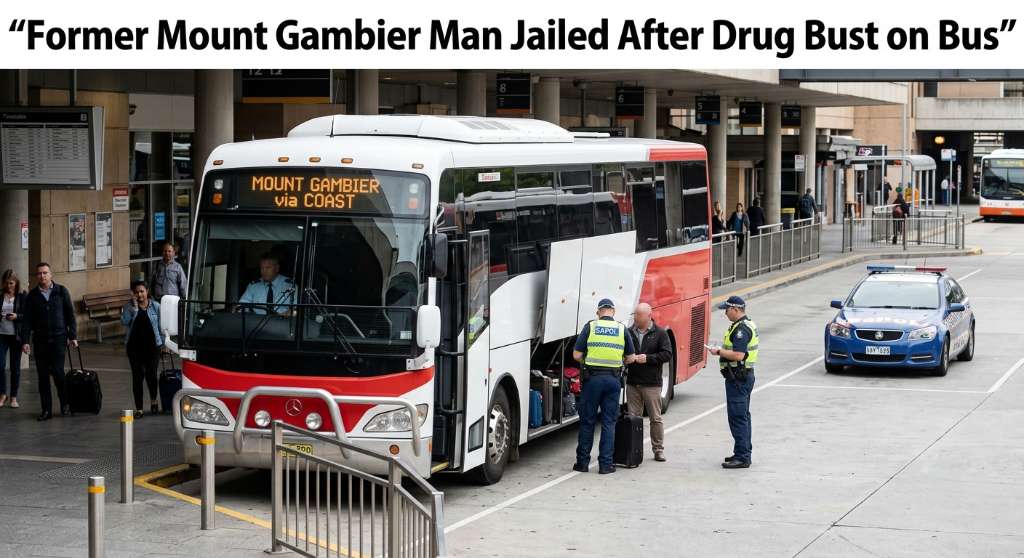
A 44-year-old man has been jailed after police found suspected methamphetamine, GHB and more than $40,000 in cash before he travelled towards Mount Gamb...
Cairns Regional Council has unanimously voted to seek $400,000 in Queensland Government funding for a program designed to connect local businesses with the region’s growing film...
An automated external defibrillator and memorial plaque have been installed at Ellery Creek Big Hole following the death of disability advocate Ellen Fr...
Queensland firefighters spent several hours monitoring a significant grass fire at Mary Kinross Park in Bargara, near Bundaberg, after the blaze broke out on Wednesday evening....