Safety note: Admin approval is an initial review, not a guarantee that every detail is correct. Check important or urgent claims with official sources and report anything inaccurate or unsafe.
Source and credit: Contributor's own report
Whyalla community focuses on protecting biodiversity and preserving local ecosystems - Whyalla, SA
Smart summary
Community groups and environmental organisations in Whyalla, South Australia are highlighting the importance of protecting native wildlife and biodiversity through conservation efforts, education and sustainable pract...
The Whyalla region is continuing efforts to protect its unique environment, with local initiatives focusing on biodiversity conservation, wildlife protection and maintaining healthy ecosystems.
Biodiversity plays an important role in supporting natural environments by protecting native species, maintaining ecological balance and helping communities respond to environmental challenges. In South Australia, governments and conservation groups have been increasing efforts to protect threatened ecosystems and improve long-term environmental outcomes.
Whyalla is home to several important natural areas, including marine environments, coastal habitats and unique wildlife populations. One of the region’s most recognised natural attractions is the Giant Australian Cuttlefish breeding area in the Upper Spencer Gulf, which attracts visitors from around the world and supports local nature-based tourism.
Recent environmental concerns around the cuttlefish population have highlighted the need for careful management of marine ecosystems. Researchers and authorities have been monitoring the impact of environmental changes, including concerns linked to a major algal bloom affecting parts of South Australia’s coastline.
To help protect sensitive marine areas, temporary restrictions have been introduced around important cuttlefish breeding locations. These measures aim to reduce disturbance during critical breeding periods and support recovery of the species.
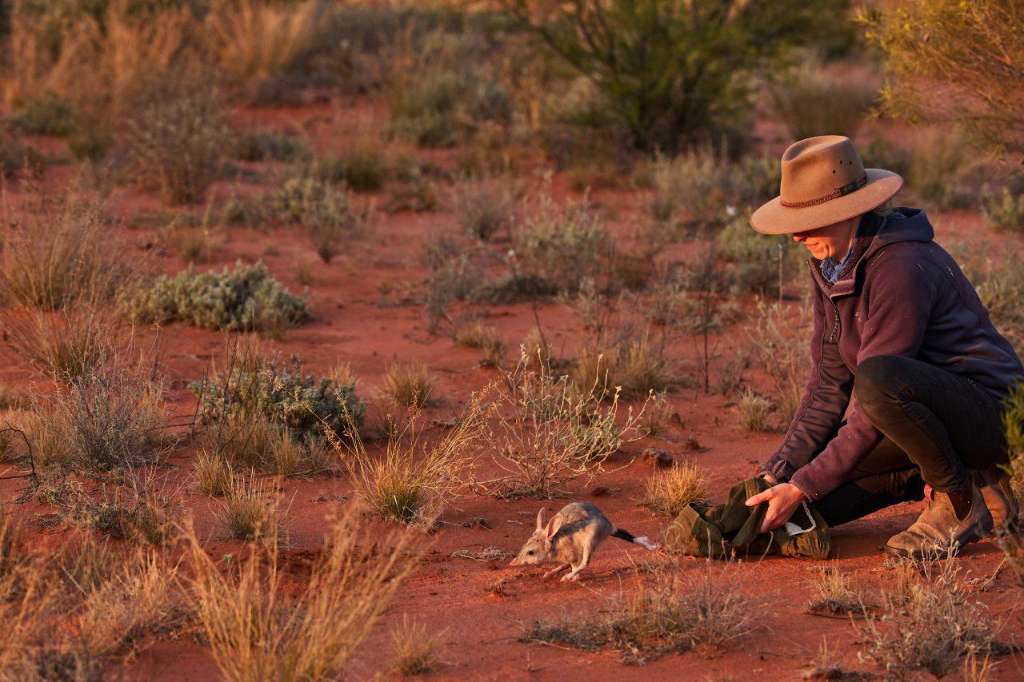
Beyond marine conservation, biodiversity programs in the Whyalla region also focus on protecting native plants and animals across land environments. Mining and industrial areas have increasingly incorporated environmental monitoring programs to track local wildlife and reduce impacts on native habitats.
Regional conservation efforts often involve partnerships between government agencies, community organisations, researchers and local residents. These partnerships help collect environmental data, restore habitats and improve awareness about protecting native species.
Community involvement is considered a key part of biodiversity protection. Local residents can contribute through activities such as habitat restoration, responsible land management, protecting native vegetation and supporting conservation programs.
The South Australian Government has also moved towards stronger biodiversity protections through new environmental legislation aimed at reducing damage to ecosystems and improving the recovery of native species.
For Whyalla, protecting biodiversity is not only an environmental issue but also an economic and community priority. Healthy ecosystems support tourism, recreation, education and the region’s connection with its natural landscapes.
The protection of wildlife areas such as the Upper Spencer Gulf demonstrates the importance of balancing industry, community development and environmental responsibility. With continued monitoring and conservation action, local groups hope to preserve Whyalla’s natural assets for future generations.
The Whyalla region is continuing efforts to protect its unique environment, with local initiatives focusing on biodiversity conservation, wildlife protection and maintaining healthy ecosystems.
Biodiversity plays an important role in supporting natural environments by protecting native species, maintaining ecological balance and helping communities respond to environmental challenges. In South Australia, governments and conservation groups have been increasing efforts to protect threatened ecosystems and improve long-term environmental outcomes.
Whyalla is home to several important natural areas, including marine environments, coastal habitats and unique wildlife populations. One of the region’s most recognised natural attractions is the Giant Australian Cuttlefish breeding area in the Upper Spencer Gulf, which attracts visitors from around the world and supports local nature-based tourism.
Recent environmental concerns around the cuttlefish population have highlighted the need for careful management of marine ecosystems. Researchers and authorities have been monitoring the impact of environmental changes, including concerns linked to a major algal bloom affecting parts of South Australia’s coastline.
To help protect sensitive marine areas, temporary restrictions have been introduced around important cuttlefish breeding locations. These measures aim to reduce disturbance during critical breeding periods and support recovery of the species.
Beyond marine conservation, biodiversity programs in the Whyalla region also focus on protecting native plants and animals across land environments. Mining and industrial areas have increasingly incorporated environmental monitoring programs to track local wildlife and reduce impacts on native habitats.
Regional conservation efforts often involve partnerships between government agencies, community organisations, researchers and local residents. These partnerships help collect environmental data, restore habitats and improve awareness about protecting native species.
Community involvement is considered a key part of biodiversity protection. Local residents can contribute through activities such as habitat restoration, responsible land management, protecting native vegetation and supporting conservation programs.
The South Australian Government has also moved towards stronger biodiversity protections through new environmental legislation aimed at reducing damage to ecosystems and improving the recovery of native species.
For Whyalla, protecting biodiversity is not only an environmental issue but also an economic and community priority. Healthy ecosystems support tourism, recreation, education and the region’s connection with its natural landscapes.
The protection of wildlife areas such as the Upper Spencer Gulf demonstrates the importance of balancing industry, community development and environmental responsibility. With continued monitoring and conservation action, local groups hope to preserve Whyalla’s natural assets for future generations.
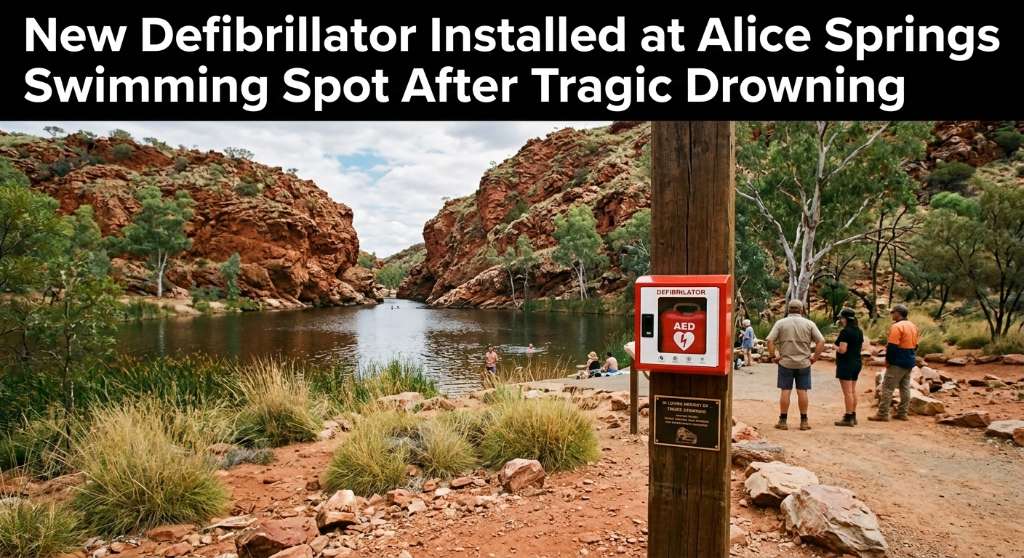
An automated external defibrillator and memorial plaque have been installed at Ellery Creek Big Hole following the death of disability advocate Ellen Fr...
Bathurst New South Wales · Community News · 17 Sep 2026
Kerry “Pecky” Peck, a long-standing Bathurst radio personality, has been inducted into the Bathurst Business Hall of Fame in recognition of his extensive contribution to the loc...
A new specialist family-violence support model has been introduced in Ballarat, with dedicated workers now embedded alongside Victoria Police to help people experiencing family...
Orange New South Wales · Community News · 17 Sep 2026
Orange City Council has elected a new Deputy Mayor for the next two years, with the decision announced today, 17 September 2026. The council said the election took place during...
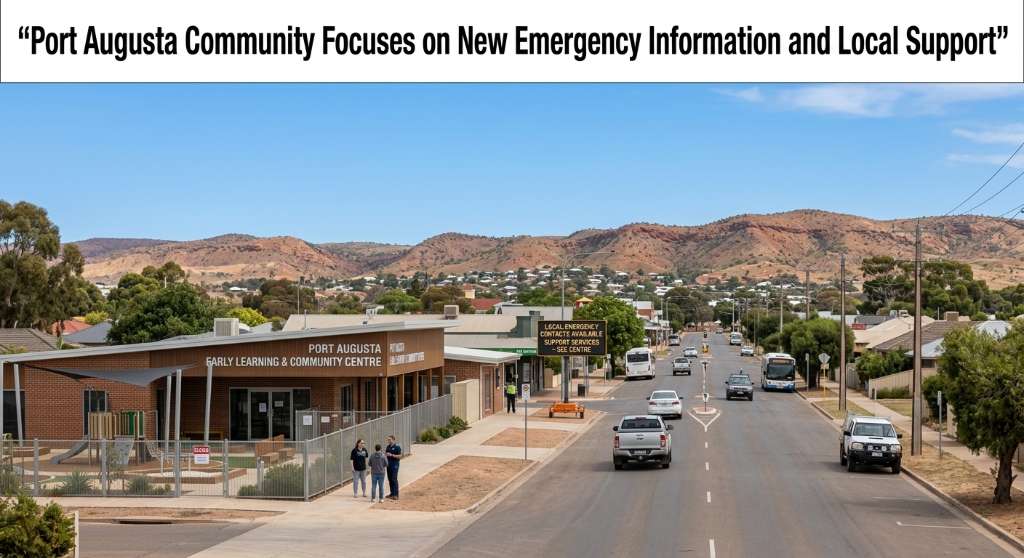
New community information initiatives are helping residents access emergency warnings and local support as Port Augusta and the wider region prepare for...
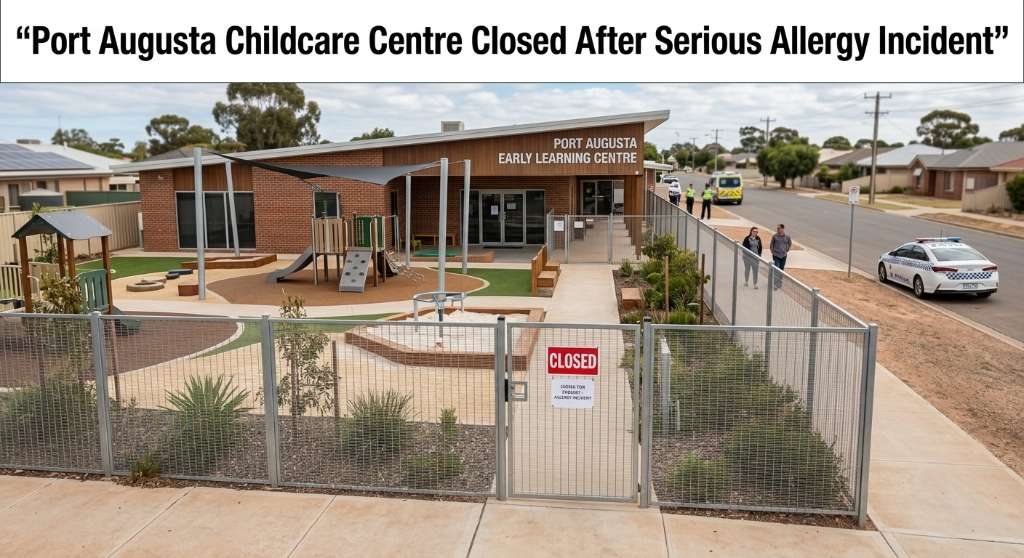
An Edge Early Learning centre in Port Augusta has been ordered to close for two weeks after a child with allergies was hospitalised after being given fo...
A 44-year-old man has been jailed after police found suspected methamphetamine, GHB and more than $40,000 in cash before he travelled towards Mount Gamb...
Cairns Regional Council has unanimously voted to seek $400,000 in Queensland Government funding for a program designed to connect local businesses with the region’s growing film...
An automated external defibrillator and memorial plaque have been installed at Ellery Creek Big Hole following the death of disability advocate Ellen Fr...
Queensland firefighters spent several hours monitoring a significant grass fire at Mary Kinross Park in Bargara, near Bundaberg, after the blaze broke out on Wednesday evening....