Safety note: Admin approval is an initial review, not a guarantee that every detail is correct. Check important or urgent claims with official sources and report anything inaccurate or unsafe.
Source and credit: Contributor's own report
Brisbane City Council Unveils Ambitious Green Transport Plan to Slash Emissions by 2030 - Brisbane, Queensland
Smart summary
The plan includes new electric bus routes, expanded bike lanes, and a city‑wide congestion‑pricing pilot aimed at boosting sustainability and reducing traffic congestion.
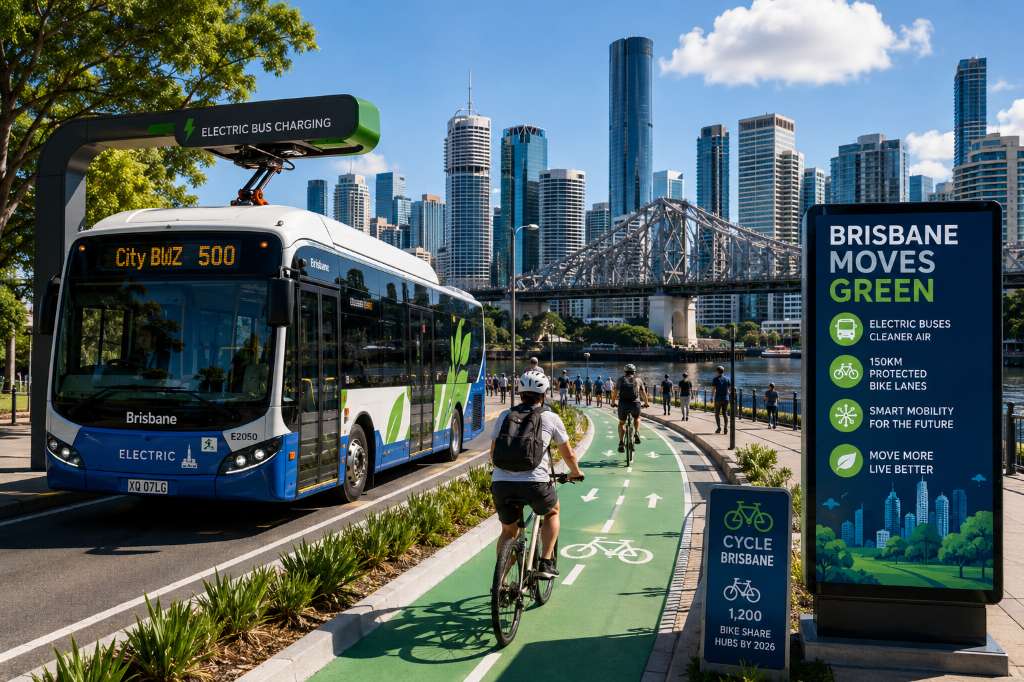
The Brisbane City Council (BCC) announced yesterday a comprehensive green transport strategy that promises to transform the city’s mobility landscape and position Brisbane as a leader in climate‑friendly urban planning. The plan, titled “Brisbane Moves Green”, sets a bold target of cutting transportation‑related greenhouse gas emissions by 30 % by 2030, a figure that aligns with Queensland’s state‑wide climate goals.
Central to the initiative is the expansion of the electric bus network. Council will invest $120 million over the next five years to purchase 200 new electric buses and upgrade charging infrastructure across the city. The rollout will begin in the Brisbane CBD, where buses will replace the existing diesel fleet on high‑traffic routes such as the 400, 500, and 600 lines. The council estimates that the new fleet will save approximately 45,000 tonnes of CO₂ annually, equivalent to taking 9,000 cars off the road each year.
Complementing the bus upgrade is a new network of protected bike lanes that will span 150 kilometres, connecting major employment hubs, schools, and residential districts. The lanes will be built to international safety standards, featuring dedicated signage, traffic signals, and real‑time cyclist alerts via the City’s free “Bike Smart” app. Council plans to launch a free bike‑sharing program, “Cycle Brisbane”, with 1,200 hubs by 2026, encouraging residents to opt for cycling over driving for short trips.
To address the persistent issue of congestion in the inner suburbs, the council will pilot a congestion‑pricing scheme on the inner‑city ring road during peak hours. The pilot will run for 12 months, with revenues earmarked for public transport upgrades and pedestrian infrastructure. Preliminary modelling suggests that the scheme could reduce peak‑time traffic by up to 15 % and generate $35 million in annual revenue for transport projects.
The council also announced a partnership with Queensland University of Technology (QUT) to develop a “Smart Mobility Hub” at the Brisbane Convention Centre. The hub will serve as a research centre for autonomous vehicle technology, data analytics, and urban mobility solutions. By fostering collaboration between academia, industry, and government, the hub aims to accelerate the adoption of cutting‑edge transport technologies across the city.
Community engagement has played a key role in shaping the plan. Over 5,000 residents participated in public consultations, town‑hall meetings, and online surveys. Feedback from the consultations informed the design of the bike lanes, ensuring they intersect with major pedestrian pathways and public transport nodes. Additionally, the council committed to a transparent reporting framework, with annual progress reports published on its official website and open‑data dashboards.
The Queensland Government has expressed strong support for the initiative. Premier Steven Miles praised the council’s “visionary approach” and pledged an additional $200 million in state funding to support the rollout of electric buses and the congestion‑pricing pilot. “Brisbane’s commitment to a sustainable future sets a powerful example for the entire state,” he said.
Brisbane’s mayor, Adrian Schrinner, highlighted the economic benefits of the plan. “Investing in green transport not only protects our environment but also creates jobs, reduces health costs, and enhances the quality of life for all Brisbaneers,” he said. The mayor’s office is also coordinating with the Queensland Department of Transport and Main Roads to ensure that state‑wide road projects align with the city’s sustainability objectives.
The “Brisbane Moves Green” plan represents a significant step forward for the city’s climate action agenda. By integrating electric public transport, cycling infrastructure, and smart traffic management, Brisbane is poised to become a model of sustainable urban mobility in the Southern Hemisphere. Residents, businesses, and visitors alike can look forward to a cleaner, safer, and more connected city in the years to come.
BrisbaneCityCouncilTransportWill
The Brisbane City Council (BCC) announced yesterday a comprehensive green transport strategy that promises to transform the city’s mobility landscape and position Brisbane as a leader in climate‑friendly urban planning. The plan, titled “Brisbane Moves Green”, sets a bold target of cutting transportation‑related greenhouse gas emissions by 30 % by 2030, a figure that aligns with Queensland’s state‑wide climate goals.
Central to the initiative is the expansion of the electric bus network. Council will invest $120 million over the next five years to purchase 200 new electric buses and upgrade charging infrastructure across the city. The rollout will begin in the Brisbane CBD, where buses will replace the existing diesel fleet on high‑traffic routes such as the 400, 500, and 600 lines. The council estimates that the new fleet will save approximately 45,000 tonnes of CO₂ annually, equivalent to taking 9,000 cars off the road each year.
Complementing the bus upgrade is a new network of protected bike lanes that will span 150 kilometres, connecting major employment hubs, schools, and residential districts. The lanes will be built to international safety standards, featuring dedicated signage, traffic signals, and real‑time cyclist alerts via the City’s free “Bike Smart” app. Council plans to launch a free bike‑sharing program, “Cycle Brisbane”, with 1,200 hubs by 2026, encouraging residents to opt for cycling over driving for short trips.
To address the persistent issue of congestion in the inner suburbs, the council will pilot a congestion‑pricing scheme on the inner‑city ring road during peak hours. The pilot will run for 12 months, with revenues earmarked for public transport upgrades and pedestrian infrastructure. Preliminary modelling suggests that the scheme could reduce peak‑time traffic by up to 15 % and generate $35 million in annual revenue for transport projects.
The council also announced a partnership with Queensland University of Technology (QUT) to develop a “Smart Mobility Hub” at the Brisbane Convention Centre. The hub will serve as a research centre for autonomous vehicle technology, data analytics, and urban mobility solutions. By fostering collaboration between academia, industry, and government, the hub aims to accelerate the adoption of cutting‑edge transport technologies across the city.
Community engagement has played a key role in shaping the plan. Over 5,000 residents participated in public consultations, town‑hall meetings, and online surveys. Feedback from the consultations informed the design of the bike lanes, ensuring they intersect with major pedestrian pathways and public transport nodes. Additionally, the council committed to a transparent reporting framework, with annual progress reports published on its official website and open‑data dashboards.
The Queensland Government has expressed strong support for the initiative. Premier Steven Miles praised the council’s “visionary approach” and pledged an additional $200 million in state funding to support the rollout of electric buses and the congestion‑pricing pilot. “Brisbane’s commitment to a sustainable future sets a powerful example for the entire state,” he said.
Brisbane’s mayor, Adrian Schrinner, highlighted the economic benefits of the plan. “Investing in green transport not only protects our environment but also creates jobs, reduces health costs, and enhances the quality of life for all Brisbaneers,” he said. The mayor’s office is also coordinating with the Queensland Department of Transport and Main Roads to ensure that state‑wide road projects align with the city’s sustainability objectives.
The “Brisbane Moves Green” plan represents a significant step forward for the city’s climate action agenda. By integrating electric public transport, cycling infrastructure, and smart traffic management, Brisbane is poised to become a model of sustainable urban mobility in the Southern Hemisphere. Residents, businesses, and visitors alike can look forward to a cleaner, safer, and more connected city in the years to come.
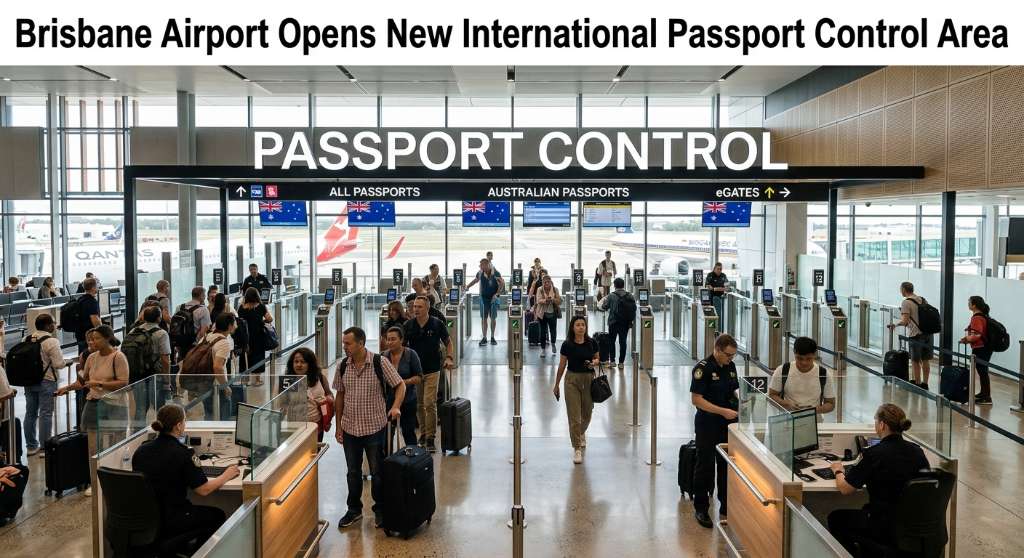
A new 12-lane passport control facility has opened at Brisbane Airport as the airport prepares for more than 1.8 million passengers during the September...
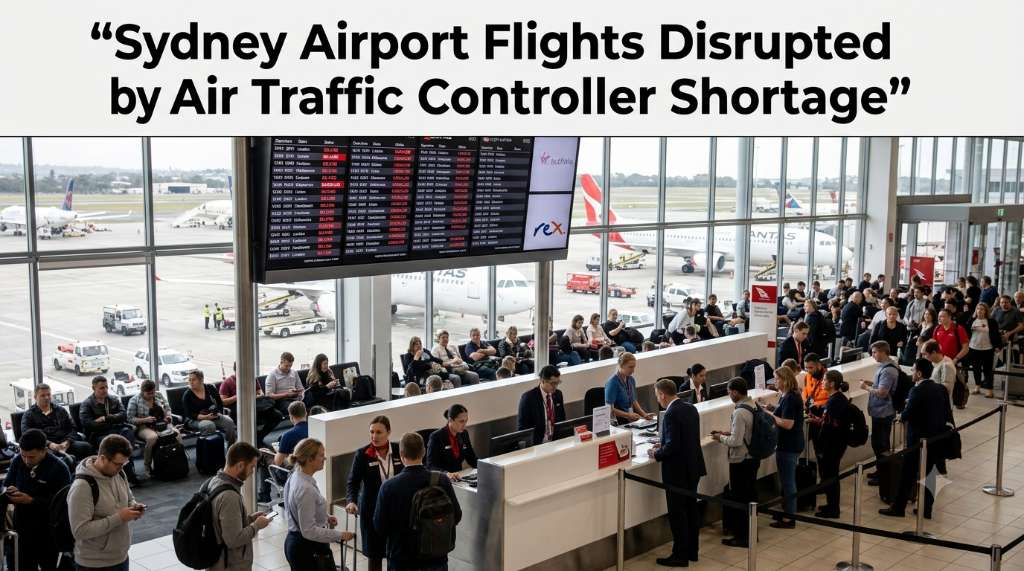
Flight delays and cancellations affected Sydney Airport passengers on Friday morning after staffing shortages prompted temporary air-traffic management...
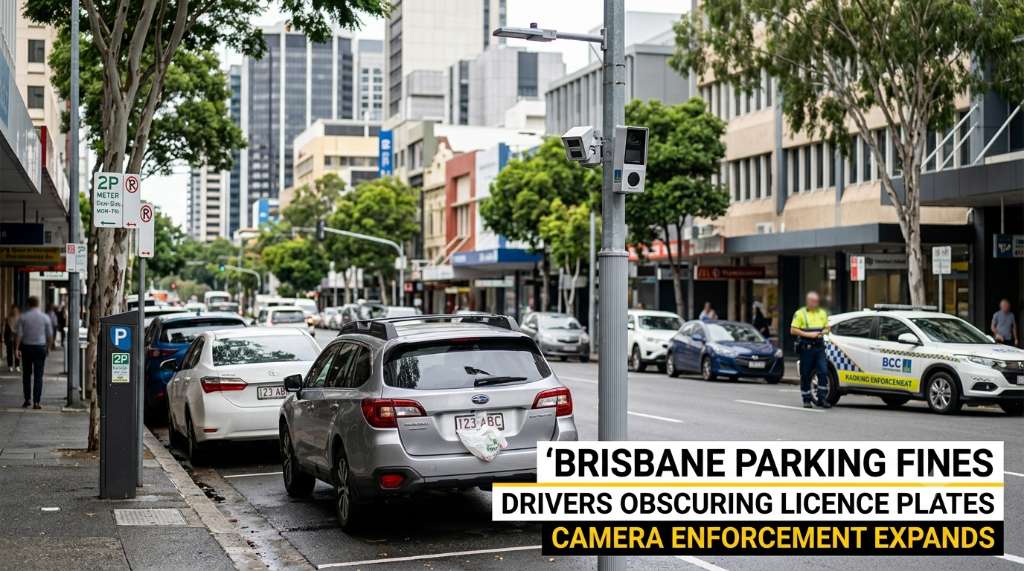
Some Brisbane motorists are covering their licence plates to avoid automatic parking enforcement cameras as council fines approach $35 million this year.
Queensland's emerging football prospects are coming together for a three-day Brisbane Lions State Academy showcase, giving young players an opportunity...
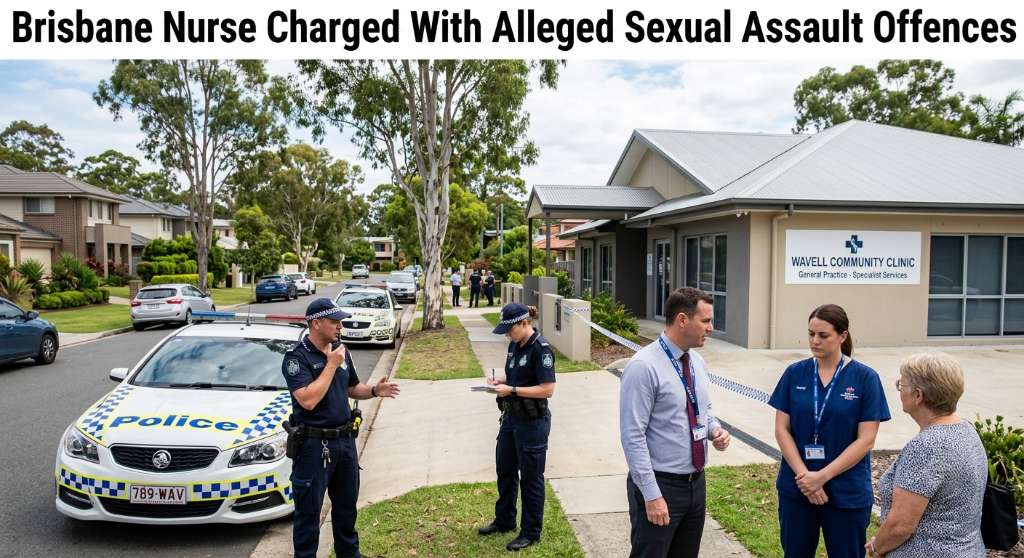
A Wavell Heights enrolled nurse has been charged with four counts of alleged sexual assault and one count of wilful exposure, with his professional regi...
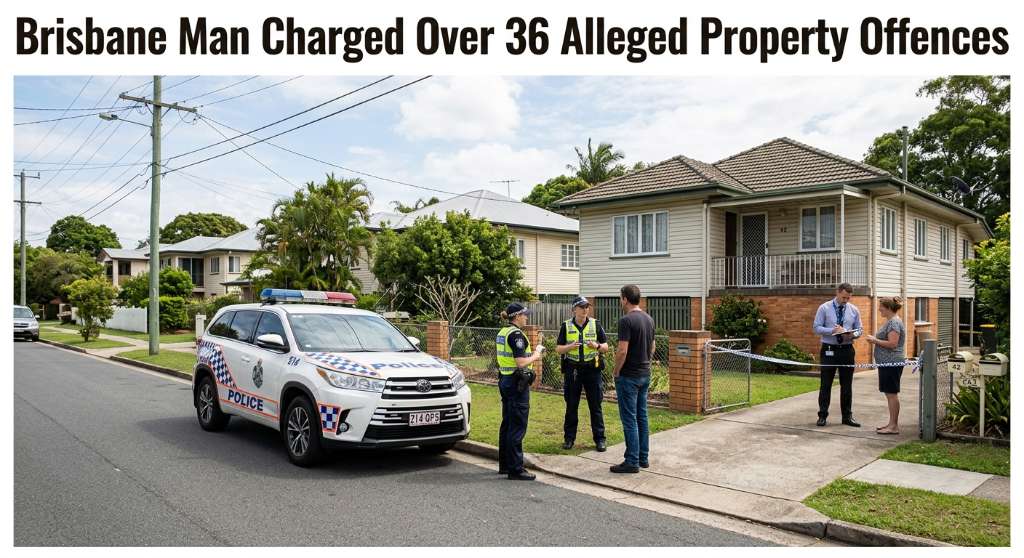
A 24-year-old Carina Heights man has been charged with 36 offences following an investigation into alleged break-ins, vehicle offences and other propert...
Cairns Regional Council has unanimously voted to seek $400,000 in Queensland Government funding for a program designed to connect local businesses with the region’s growing film...
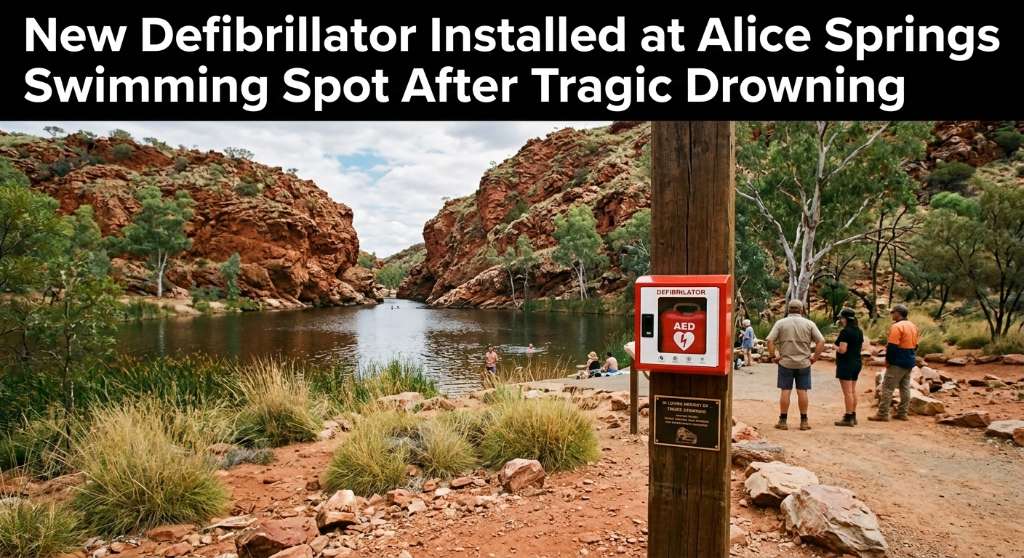
An automated external defibrillator and memorial plaque have been installed at Ellery Creek Big Hole following the death of disability advocate Ellen Fr...
Queensland firefighters spent several hours monitoring a significant grass fire at Mary Kinross Park in Bargara, near Bundaberg, after the blaze broke out on Wednesday evening....