Safety note: Admin approval is an initial review, not a guarantee that every detail is correct. Check important or urgent claims with official sources and report anything inaccurate or unsafe.
Source and credit: Contributor's own report
Tasmanians Lose Record $208 Million on Poker Machines in 2025–26 - Hobart, TAS
Smart summary
Tasmania has recorded its highest annual poker machine losses on record, with more than $208 million lost during the 2025–26 financial year, prompting renewed calls for stronger gambling harm reduction measures.
Tasmania has recorded its highest-ever annual losses on poker machines, with new figures showing residents lost $208.27 million during the 2025–26 financial year. The record total has reignited debate over gambling reform, with advocates and independent politicians warning that gambling-related harm continues to affect thousands of Tasmanians.
According to data released by the Tasmanian Treasury, poker machine losses increased by 6.9 per cent compared with the previous financial year. The total equates to approximately $360 for every Tasmanian, making it the largest amount lost to poker machines in any single year since official records began. Over the past 15 years, total poker machine losses in Tasmania have reached $2.79 billion, demonstrating the long-term impact of electronic gaming across the state.
The figures have sparked criticism from gambling reform advocates, who argue the growing losses highlight the need for stronger consumer protections. Independent MP Meg Webb described the latest statistics as "horrifying", saying the amount of money being lost reflects the continuing social and financial harm experienced by individuals, families and communities. She called for more effective gambling reforms that place public health ahead of industry interests.
The release of the new data comes only days after concerns were raised by the Tasmanian Liquor and Gaming Commission regarding the state's revised gambling policies. The commission warned that recently announced changes may not effectively reduce gambling harm and could potentially make conditions worse for people experiencing gambling addiction. The regulator said it had not been consulted before the reforms were announced.
The Tasmanian Government has defended its approach, saying a range of gambling harm reduction measures are being introduced progressively. These include longer mandatory shutdown periods for poker machines, the introduction of a ticket-in, ticket-out system, expanded facial recognition technology to assist self-exclusion programs and the installation of ATMs inside gaming venues. Government representatives argue the reforms strike a balance between supporting the hospitality industry and reducing gambling-related harm.
Critics, however, have questioned the decision to abandon the previously proposed mandatory pre-commitment card, which would have required gamblers to set spending limits before using poker machines. Gambling harm advocates believe the pre-commitment system would have provided stronger protections for vulnerable people by helping them control gambling expenditure before losses occurred.
Researchers and community organisations continue to highlight the broader consequences of gambling losses, including financial hardship, family stress, mental health challenges and increased demand for support services. They argue that while many people gamble responsibly, a relatively small number of problem gamblers account for a significant proportion of poker machine losses each year.
The latest figures have renewed calls for governments, regulators and industry operators to work together on evidence-based reforms that minimise gambling harm while maintaining responsible entertainment options. As debate continues, the record losses are expected to remain a significant issue in Tasmania's political and public policy discussions throughout the coming year.
GamblingLossesPokerHarmMachines
Tasmania has recorded its highest-ever annual losses on poker machines, with new figures showing residents lost $208.27 million during the 2025–26 financial year. The record total has reignited debate over gambling reform, with advocates and independent politicians warning that gambling-related harm continues to affect thousands of Tasmanians.
According to data released by the Tasmanian Treasury, poker machine losses increased by 6.9 per cent compared with the previous financial year. The total equates to approximately $360 for every Tasmanian, making it the largest amount lost to poker machines in any single year since official records began. Over the past 15 years, total poker machine losses in Tasmania have reached $2.79 billion, demonstrating the long-term impact of electronic gaming across the state.
The figures have sparked criticism from gambling reform advocates, who argue the growing losses highlight the need for stronger consumer protections. Independent MP Meg Webb described the latest statistics as "horrifying", saying the amount of money being lost reflects the continuing social and financial harm experienced by individuals, families and communities. She called for more effective gambling reforms that place public health ahead of industry interests.
The release of the new data comes only days after concerns were raised by the Tasmanian Liquor and Gaming Commission regarding the state's revised gambling policies. The commission warned that recently announced changes may not effectively reduce gambling harm and could potentially make conditions worse for people experiencing gambling addiction. The regulator said it had not been consulted before the reforms were announced.
The Tasmanian Government has defended its approach, saying a range of gambling harm reduction measures are being introduced progressively. These include longer mandatory shutdown periods for poker machines, the introduction of a ticket-in, ticket-out system, expanded facial recognition technology to assist self-exclusion programs and the installation of ATMs inside gaming venues. Government representatives argue the reforms strike a balance between supporting the hospitality industry and reducing gambling-related harm.
Critics, however, have questioned the decision to abandon the previously proposed mandatory pre-commitment card, which would have required gamblers to set spending limits before using poker machines. Gambling harm advocates believe the pre-commitment system would have provided stronger protections for vulnerable people by helping them control gambling expenditure before losses occurred.
Researchers and community organisations continue to highlight the broader consequences of gambling losses, including financial hardship, family stress, mental health challenges and increased demand for support services. They argue that while many people gamble responsibly, a relatively small number of problem gamblers account for a significant proportion of poker machine losses each year.
The latest figures have renewed calls for governments, regulators and industry operators to work together on evidence-based reforms that minimise gambling harm while maintaining responsible entertainment options. As debate continues, the record losses are expected to remain a significant issue in Tasmania's political and public policy discussions throughout the coming year.
An automated external defibrillator and memorial plaque have been installed at Ellery Creek Big Hole following the death of disability advocate Ellen Fr...
Bathurst New South Wales · Community News · 17 Sep 2026
Kerry “Pecky” Peck, a long-standing Bathurst radio personality, has been inducted into the Bathurst Business Hall of Fame in recognition of his extensive contribution to the loc...
A new specialist family-violence support model has been introduced in Ballarat, with dedicated workers now embedded alongside Victoria Police to help people experiencing family...
Orange New South Wales · Community News · 17 Sep 2026
Orange City Council has elected a new Deputy Mayor for the next two years, with the decision announced today, 17 September 2026. The council said the election took place during...
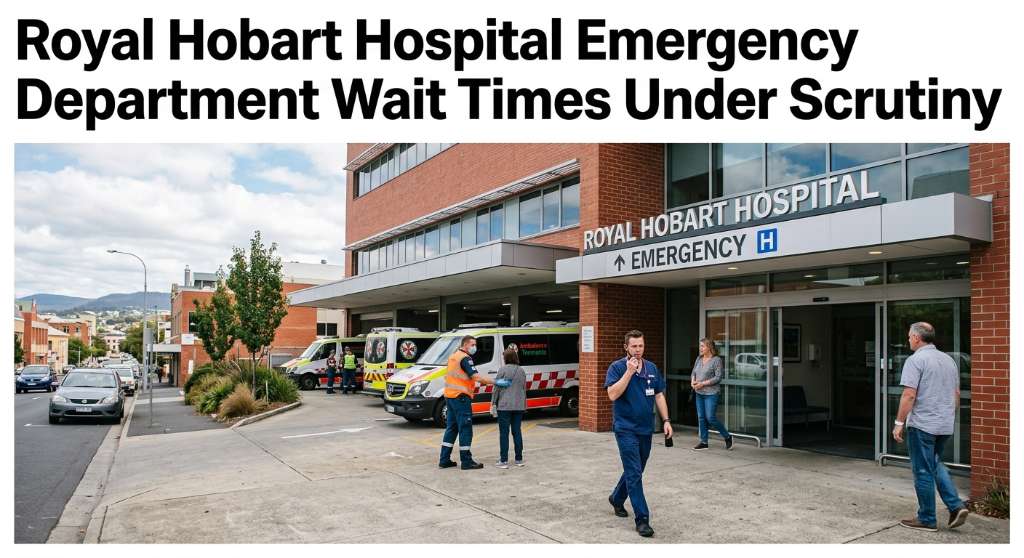
New figures have renewed concerns about emergency department delays at Royal Hobart Hospital, with the health system facing questions over patient waiti...
Cairns Regional Council has unanimously voted to seek $400,000 in Queensland Government funding for a program designed to connect local businesses with the region’s growing film...
An automated external defibrillator and memorial plaque have been installed at Ellery Creek Big Hole following the death of disability advocate Ellen Fr...
Queensland firefighters spent several hours monitoring a significant grass fire at Mary Kinross Park in Bargara, near Bundaberg, after the blaze broke out on Wednesday evening....