Safety note: Admin approval is an initial review, not a guarantee that every detail is correct. Check important or urgent claims with official sources and report anything inaccurate or unsafe.
Source and credit: Contributor's own report
Job-Ready Graduates Debate: Are University Degrees Preparing Students for the Workforce? - Canberra, ACT
Smart summary
Australian university students and graduates are questioning whether current higher education policies, including the Job-Ready Graduates program, are delivering the skills and career outcomes needed in a rapidly chan...
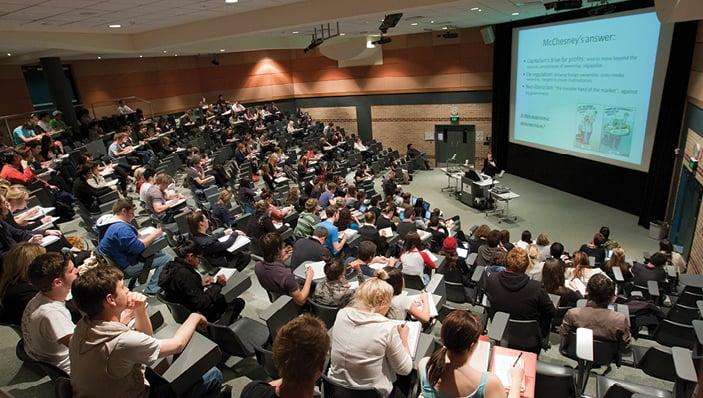
Australia’s Job-Ready Graduates program continues to attract debate as university students, graduates and education experts question whether current degree structures are effectively preparing young people for employment.
The discussion has intensified as many graduates face a competitive entry-level job market, with concerns that completing a university degree does not always lead directly to employment in a chosen field. Recent research has shown declining graduate satisfaction, with students increasingly focused on whether their qualifications provide clear pathways into work.
The debate particularly affects students studying arts and humanities degrees, after government funding changes increased concerns about course costs and employment outcomes. Critics argue that students need clearer information about career pathways before enrolling, while supporters say arts degrees continue to provide valuable skills such as communication, critical thinking, research and problem-solving.
The Job-Ready Graduates program was introduced to encourage students towards areas considered important for Australia’s future workforce needs. However, universities and students have raised concerns about whether changing course costs alone can influence career decisions or solve broader workforce challenges.
Many graduates entering the workforce today face a different environment from previous generations. Employers increasingly seek practical experience, digital skills, industry knowledge and adaptability alongside academic qualifications. Education experts say universities need stronger links with employers and more support to help students understand recruitment processes before graduation.
Recent graduate surveys have highlighted these challenges. Data from the Quality Indicators for Learning and Teaching (QILT) survey found undergraduate graduate satisfaction has declined, while some graduates reported difficulty finding roles that match their qualifications. The survey also showed some graduates continue into further study as they attempt to improve their employment opportunities.
Supporters of university education argue that degrees should not only be judged by immediate employment outcomes. They say higher education develops broad skills that can apply across many industries and careers. Arts graduates, for example, often move into areas including government, education, communications, business, policy and community services.
Critics, however, argue that students deserve clearer information about employment prospects, expected salaries and career pathways before taking on significant student debt. They say universities and governments need to improve transparency around course outcomes and ensure students understand the opportunities available after graduation.
The changing economy has also created new expectations for graduates. Technology, automation and artificial intelligence are transforming many industries, meaning workers increasingly need lifelong learning skills and the ability to adapt. Research and industry discussions suggest combining university education with practical skills, internships, certifications or industry experience can improve career readiness.
Education advocates say the solution is not simply choosing one type of degree over another. Instead, they argue students should have access to better career guidance, workplace experience opportunities and stronger connections between universities and employers.
For current university students, the message is increasingly clear: a degree remains valuable, but career success often depends on additional skills, networking, practical experience and the ability to adapt to changing industries.
The ongoing Job-Ready Graduates debate highlights a larger question facing Australia’s education system — how to balance personal interests, national workforce needs and the changing demands of the modern economy.
StudentsGraduatesEducationCareerEmployment
Australia’s Job-Ready Graduates program continues to attract debate as university students, graduates and education experts question whether current degree structures are effectively preparing young people for employment.
The discussion has intensified as many graduates face a competitive entry-level job market, with concerns that completing a university degree does not always lead directly to employment in a chosen field. Recent research has shown declining graduate satisfaction, with students increasingly focused on whether their qualifications provide clear pathways into work.
The debate particularly affects students studying arts and humanities degrees, after government funding changes increased concerns about course costs and employment outcomes. Critics argue that students need clearer information about career pathways before enrolling, while supporters say arts degrees continue to provide valuable skills such as communication, critical thinking, research and problem-solving.
The Job-Ready Graduates program was introduced to encourage students towards areas considered important for Australia’s future workforce needs. However, universities and students have raised concerns about whether changing course costs alone can influence career decisions or solve broader workforce challenges.
Many graduates entering the workforce today face a different environment from previous generations. Employers increasingly seek practical experience, digital skills, industry knowledge and adaptability alongside academic qualifications. Education experts say universities need stronger links with employers and more support to help students understand recruitment processes before graduation.
Recent graduate surveys have highlighted these challenges. Data from the Quality Indicators for Learning and Teaching (QILT) survey found undergraduate graduate satisfaction has declined, while some graduates reported difficulty finding roles that match their qualifications. The survey also showed some graduates continue into further study as they attempt to improve their employment opportunities.
Supporters of university education argue that degrees should not only be judged by immediate employment outcomes. They say higher education develops broad skills that can apply across many industries and careers. Arts graduates, for example, often move into areas including government, education, communications, business, policy and community services.
Critics, however, argue that students deserve clearer information about employment prospects, expected salaries and career pathways before taking on significant student debt. They say universities and governments need to improve transparency around course outcomes and ensure students understand the opportunities available after graduation.
The changing economy has also created new expectations for graduates. Technology, automation and artificial intelligence are transforming many industries, meaning workers increasingly need lifelong learning skills and the ability to adapt. Research and industry discussions suggest combining university education with practical skills, internships, certifications or industry experience can improve career readiness.
Education advocates say the solution is not simply choosing one type of degree over another. Instead, they argue students should have access to better career guidance, workplace experience opportunities and stronger connections between universities and employers.
For current university students, the message is increasingly clear: a degree remains valuable, but career success often depends on additional skills, networking, practical experience and the ability to adapt to changing industries.
The ongoing Job-Ready Graduates debate highlights a larger question facing Australia’s education system — how to balance personal interests, national workforce needs and the changing demands of the modern economy.
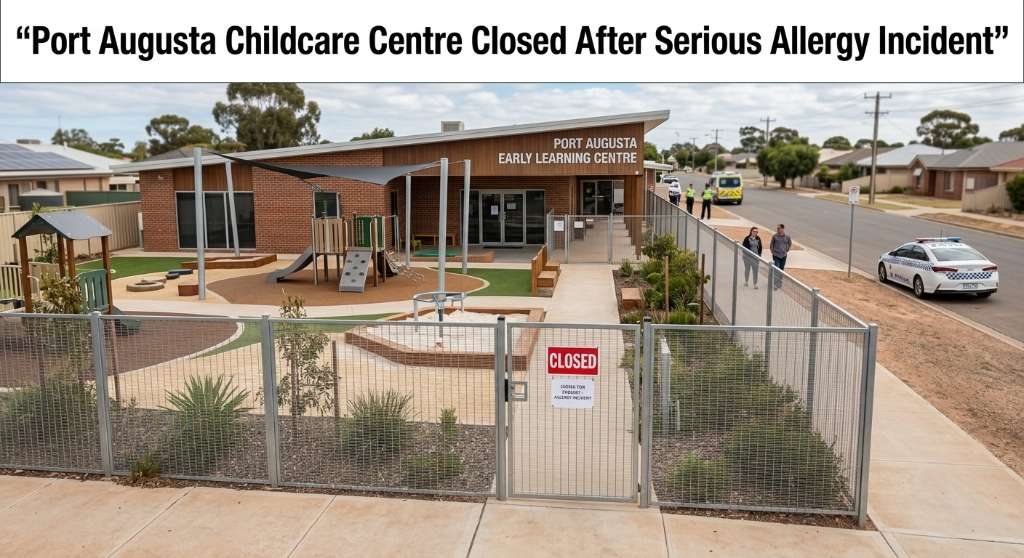
An Edge Early Learning centre in Port Augusta has been ordered to close for two weeks after a child with allergies was hospitalised after being given fo...
The statewide scheme allows eligible renters to transfer their existing bond directly to a new rental property instead of paying a second bond upfront.
Global diesel shortages and disrupted shipping routes are pushing up fuel costs and creating growing risks for Australia’s farmers, miners and wider eco...
Central Coast New South Wales · General News · 15 Sep 2026
A teenager accused of negligent driving following a fatal crash on the NSW Central Coast has been refused bail in court today, Tuesday, September 15, 2026. The case follows a se...
The Federal Government is preparing new measures targeting temporary visas, visa overstayers, international students and visa-hopping, while maintaining...
One Nation’s proposed major reduction in migration has triggered warnings that a sharp cut to population growth could weaken Australia’s economy and cre...
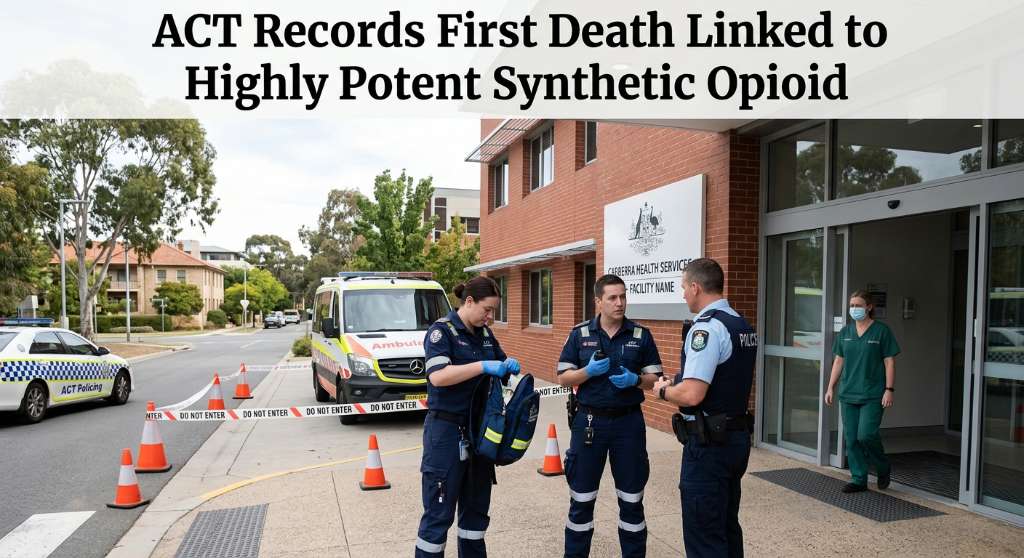
A Canberra woman has become the first person in the ACT whose death has been linked to a highly potent synthetic opioid, prompting renewed concern about...
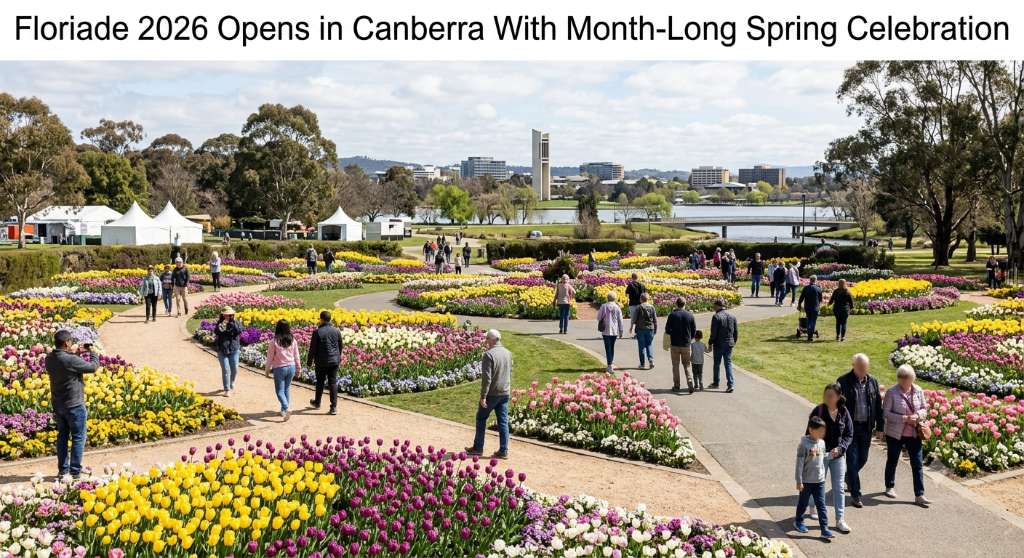
Canberra’s Commonwealth Park has welcomed visitors for the annual Floriade festival, bringing flowers, entertainment and spring activities to the city.
Cairns Regional Council has unanimously voted to seek $400,000 in Queensland Government funding for a program designed to connect local businesses with the region’s growing film...
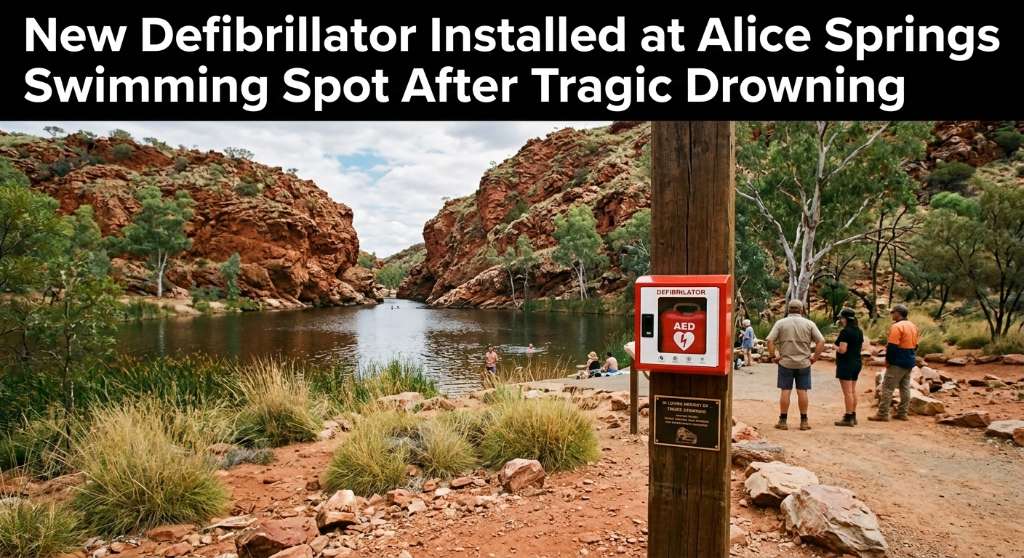
An automated external defibrillator and memorial plaque have been installed at Ellery Creek Big Hole following the death of disability advocate Ellen Fr...
Queensland firefighters spent several hours monitoring a significant grass fire at Mary Kinross Park in Bargara, near Bundaberg, after the blaze broke out on Wednesday evening....